
 E-submission
 KSPEN
KSPEN KSSMN
KSSMN ASSMN
ASSMN JSSMN
JSSMNIndexed in:
Scopus, KCI, KoreaMed
Scopus, KCI, KoreaMed

Articles
- Page Path
- HOME > Ann Clin Nutr Metab > Volume 18(2); 2026 > Article
- Review Article Nutritional insights in endodontics: a review of micronutrients in root canal therapy
-
Aswin Krishnamurthy1
 , Nandhini Sundaresan2, Vivekananthan Govindaraj3, Sanjay Raamakrishnan4
 -
Annals of Clinical Nutrition and Metabolism 2026;18(2):127-137.
DOI: https://doi.org/10.15747/ACNM.26.0045
Published online: July 31, 2026
1Department of Pharmacognosy, College of Pharmacy, Madras Medical College, Chennai, India
2Department of Pharmacognosy, Sri Ramachandra Faculty of Pharmacy, Sri Ramachandra Institute of Higher Education and Research, Chennai, India
3Department of Pharmaceutics, JSS College of Pharmacy, JSS Academy of Higher Education and Research, Mysuru, India
4Department of Pharmaceutics, JSS College of Pharmacy, JSS Academy of Higher Education and Research, Ootacamund, India
- Corresponding author: Nandhini Sundaresan, email: nandypharma1787@gmail.com
• Received: January 30, 2026 • Revised: March 9, 2026 • Accepted: March 10, 2026
© 2026 The Korean Society of Surgical Metabolism and Nutrition · The Korean Society for Parenteral and Enteral Nutrition · Asian Society of Surgical Metabolism and Nutrition
This is an Open Access article distributed under the terms of the Creative Commons Attribution Non-Commercial License (http://creativecommons.org/licenses/by-nc/4.0), which permits unrestricted non-commercial use, distribution, and reproduction in any medium, provided the original work is properly cited.
- 477 Views
- 15 Download


Abstract
-
Purpose Micronutrients play critical and multifaceted roles in the biological processes governing endodontic healing. This review aimed to evaluate the therapeutic roles of essential micronutrients, including vitamin D, vitamin C, calcium, zinc, magnesium, and selenium, in modulating immune responses, promoting tissue repair, and enhancing bone regeneration during endodontic healing.
-
Current concept The findings indicate that vitamin D supports odontoblast differentiation, immune regulation, and modulation of inflammatory pathways, whereas vitamin C enhances collagen synthesis, antioxidant protection, and pulp regeneration. Calcium and phosphorus are vital for hydroxyapatite formation and dentin mineralization, whereas zinc contributes to immune balance, enzymatic activation, and wound repair. Magnesium exhibits anti-inflammatory and bone-supportive properties, and selenium provides antioxidant and antimicrobial defense. Clinical studies have associated micronutrient deficiencies with delayed healing, increased infection risk, and reduced treatment success. Emerging innovations, such as bioactive sealants that release therapeutic minerals and diagnostic tools for nutrient profiling, highlight new directions in personalized endodontic care.
-
Conclusion Integrating micronutrient assessment and targeted supplementation strategies into clinical endodontic practice may optimize healing responses, minimize inflammation, and improve long-term treatment outcomes.
Introduction
Inflammatory oral diseases, such as gingivitis and periapical periodontitis, represent major public health concerns worldwide because of their high prevalence and socioeconomic burden [1]. These conditions are characterized by chronic infiltration of immune cells, including polymorphonuclear leukocytes, monocytes, lymphocytes, plasma cells, and mast cells, into affected tissues, leading to cascades of inflammatory and degenerative changes. Gingivitis, for example, is a common periodontal disease characterized by gingival inflammation and clinical signs such as bleeding, edema, redness, and ulceration [2]. Similarly, inflammatory periapical disease typically arises from pulp necrosis induced by dental caries and reflects the body's localized immune response to contain infection within the periapical tissues [3]. Fig. 1 illustrates deep dental caries resulting in periapical inflammation.
Healing in these conditions is multifaceted and involves both repair and regeneration. It begins with an inflammatory phase that serves as both a defense mechanism and a trigger for tissue recovery. The trajectory of healing depends on several factors, including the regenerative capacity of affected cells, the extent of tissue damage, and the proliferative potential of the surrounding stromal tissue. In connective tissues, healing occurs primarily through repair, in which granulation tissue formation and fibroblast infiltration lead to scar formation. In contrast, non-connective tissues, such as glandular organs, muscles, and peripheral nerves, undergo regeneration through proliferation of surviving functional cells, thereby restoring structural and physiological integrity. Regeneration involves the replacement of lost cells with phenotypically and functionally similar cells, allowing restoration of the original tissue architecture. Repair, by contrast, compensates for tissue loss through the formation of fibrous connective tissue, which may lack the functional characteristics of the original tissue [4]. Fig. 2 depicts the roles of micronutrients (vitamins A, B6, B9, B12, C, D, and E) and minerals (Zn, Fe, Cu, Se, and Mg) in root canal treatment, including support of infection control, inflammation modulation, tissue repair, and bone regeneration.
A critical aspect of successful healing is neutralization of the antigens or pathogens that initiate the inflammatory response. In endodontic infections, pulpal necrosis results in loss of vascular supply, creating an environment conducive to bacterial colonization and proliferation. The host responds with a robust inflammatory reaction in the periapical region, leading to bone resorption that facilitates immune cell infiltration. These immune cells then organize into a biological barrier that aims to sequester infection and prevent systemic spread [5].
Modern endodontic practice has been strengthened by technological advances such as dental operating microscopes, digital radiography, and electronic apex locators, which have improved diagnostic and treatment precision. These developments have enabled clinicians to disinfect the root canal system more effectively, thereby helping to prevent or reverse apical periodontitis and restore the health of periradicular tissues. The success of endodontic treatment is typically evaluated through a combination of clinical assessment and radiographic evidence of healing [6]. While the mechanical and chemical aspects of endodontic therapy are well established, growing evidence also highlights the importance of a patient's systemic nutritional status in influencing healing outcomes.
Micronutrients, including essential vitamins and minerals, play pivotal roles in modulating immune responses, supporting tissue repair, and promoting bone regeneration, all of which are critical to the success of root canal therapy [6,7]. Key micronutrients such as vitamin D, vitamin C, calcium, magnesium, and zinc have demonstrated beneficial effects on host defense mechanisms and periapical tissue regeneration [8,9]. Vitamin D, for example, enhances innate immune function, stimulates production of antimicrobial peptides, and regulates calcium and phosphate metabolism, thereby facilitating bone healing and reducing post-treatment inflammation. Vitamin C is essential for collagen synthesis and functions as a potent antioxidant, whereas calcium and magnesium contribute to bone mineralization. Zinc also plays a central role in immune cell function, enzymatic activity, and wound healing.
This growing body of evidence supports the view that endodontic therapy should not be considered solely a localized mechanical or chemical intervention. Rather, it should be viewed as part of a comprehensive, patient-centered healing strategy. Procedures such as root canal debridement, disinfection, and obturation are essential for removing infection and preventing recurrence; however, the patient's overall health, particularly nutritional status, may significantly influence both the success and pace of healing. Micronutrients participate in biological processes that underpin healing, including immune modulation, angiogenesis, collagen production, antioxidant defense, and osteoblastic activity. For instance, vitamin D contributes not only to bone health but also to the regulation of innate and adaptive immune responses. Similarly, vitamin C supports tissue strength through collagen synthesis, whereas zinc and magnesium are essential for immune function and enzymatic activity. Deficiencies in these nutrients may impair healing, prolong inflammation, or contribute to treatment failure. Therefore, optimizing micronutrient intake through a balanced diet, supplementation, or therapeutic monitoring should be considered an important adjunct to endodontic care, particularly in patients with chronic conditions, poor dietary habits, or compromised immunity [10]. This integrative approach may accelerate tissue regeneration and reduce the risk of postoperative complications such as persistent periapical lesions or reinfection.
The present review focuses on the role of micronutrients in oral inflammatory conditions, including periodontal diseases, inflammatory lesions of the oral mucosa, and pulpal and periapical lesions.
Methods
This was a literature-based study. Institutional Review Board approval and informed consent were not required because the research did not involve human participants.
This review was designed as a narrative, literature-based synthesis examining the roles of selected micronutrients—vitamin D, vitamin C, calcium, zinc, magnesium, selenium, and related minerals—in pulpal and periapical healing, endodontic infection control, and root canal treatment outcomes. The scope also included mechanistic and translational evidence from periodontal and oral inflammatory diseases in which the underlying pathways overlapped with endodontic healing, such as immune modulation, antioxidant defense, and bone metabolism.
The inclusion criteria were as follows: (1) peer-reviewed original research, clinical trials, cohort studies, case series, or reviews published in English between January 1996 and October 2025; (2) studies directly addressing the effects of the selected micronutrients on endodontic outcomes or mechanistically related oral inflammatory processes; and (3) human, animal, or in vitro studies with clear relevance to pulpal or periapical pathology, immune response, or tissue repair.
The exclusion criteria were as follows: (1) studies lacking primary data or mechanistic insight, such as purely descriptive commentaries; (2) studies focused solely on non-overlapping conditions, such as systemic diseases without endodontic relevance; (3) non-English publications; and (4) duplicate or retracted articles. Articles were selected on the basis of title and abstract relevance to the search terms, followed by full-text review to determine eligibility.
Electronic searches were conducted in PubMed/MEDLINE, Scopus, Web of Science, Embase, and Google Scholar to identify relevant literature published between January 1996 and October 2025. The search strategy combined Medical Subject Headings and free-text terms, including "micronutrients," "vitamin D," "vitamin C," "calcium," "zinc," "magnesium," "selenium," "antioxidants," "endodontics," "root canal therapy," "periapical lesion," "pulpal healing," "periapical healing," "oral inflammatory diseases," and "nutritional supplements," using the Boolean operators "AND" and "OR" to refine sensitivity and specificity. Reference lists of key articles and of narrative and systematic reviews on micronutrients and oral health were also hand-searched to identify potentially missed or in-press studies.
Results
Micronutrient sufficiency, particularly of vitamin D, calcium, and zinc, is a fundamental biological prerequisite for successful healing and regeneration of dental pulp and periapical tissues following injury or infection. These micronutrients exert specific regulatory functions within the complex cascades of inflammation modulation, cellular repair, and extracellular matrix synthesis that characterize reparative processes. Inadequate levels demonstrably impair healing trajectories, whereas optimal availability promotes tissue restoration and functional recovery [11].
Within the pulp, healing requires coordinated processes, including odontoblastic differentiation for reparative dentinogenesis, collagen and matrix synthesis, and angiogenesis. Vitamin D directs the differentiation of dental pulp stem cells into functional odontoblast-like lineages, thereby facilitating the formation of mineralized reparative dentin bridges that are essential for pulp protection after exposure. It also promotes mineralization processes [12]. Calcium serves dual roles: it acts as an intracellular signaling mediator that activates pathways central to reparative dentinogenesis, and it serves as a direct mineral substrate supplied both systemically and locally through therapeutic agents such as calcium hydroxide during pulp capping procedures [13]. Zinc supports cellular proliferation through its role in DNA synthesis, thereby enabling replacement of necrotic or damaged pulp cells. It also contributes to extracellular matrix formation through collagen synthesis and exhibits immunomodulatory activity by functioning as an antioxidant that mitigates excessive inflammatory responses.
Periapical healing involves the resolution of inflammatory osteolytic lesions and the regeneration of bone and connective tissue at the root apex. This process depends on the elimination of the infectious and inflammatory source, modulation of immune responses, and stimulation of osteogenesis and angiogenesis. Vitamin D contributes by downregulating excessive pro-inflammatory signaling and enhancing production of anti-inflammatory cytokines such as interleukin-10 [14], thereby limiting persistent lesions and pathological bone resorption. Calcium provides the mineral substrate required for osteoblastic activity and new bone formation following infection control. Zinc supports immune cell function, which is essential for pathogen clearance and progression through the sequential stages of soft- and hard-tissue repair [15].
The clinical implications of micronutrient status are substantial. Success in vital pulp therapy depends in part on nutrient-supported odontoblast differentiation and mineralization. The rate and completeness of periapical bone and soft-tissue regeneration following root canal treatment are influenced by circulating micronutrient levels. In addition, the efficacy of emerging regenerative endodontic procedures, which rely on stem cells and bioactive signaling, is optimized by adequate levels of vitamin D, calcium, and zinc because these nutrients regulate cellular behavior, inflammatory balance, and tissue synthesis [16]. Accordingly, assessment of micronutrient status may represent a strategic approach to enhancing postoperative healing, reducing complication risk, accelerating regeneration, and improving overall patient outcomes [17]. Fig. 3 depicts the interactions among vitamin D, zinc, and calcium in bone and immune function.
Micronutrients enhance pulpal and periapical healing through antioxidant and anti-inflammatory mechanisms. Vitamin D exhibits anti-inflammatory effects by suppressing pro-inflammatory cytokines such as interleukin-6 and tumor necrosis factor-alpha and by upregulating anti-inflammatory mediators, thereby creating a favorable environment for tissue repair [18]. It also promotes human dental pulp stem cell proliferation and odontogenic differentiation through activation of extracellular signal-regulated kinases. Calcium, particularly in the form of calcium hydroxide, demonstrates anti-inflammatory activity by neutralizing bacterial toxins and denaturing pro-inflammatory cytokines, thereby reducing inflammatory burden and supporting repair [19]. Zinc acts as a cofactor for antioxidant enzymes such as superoxide dismutase, facilitating neutralization of reactive oxygen species. It also regulates immune cell function, and its incorporation into endodontic materials enhances biological performance by protecting against matrix metalloproteinase-mediated collagen degradation [20]. Magnesium exerts anti-inflammatory effects by reducing neutrophil activity and stabilizing cellular membranes, thereby decreasing free radical formation [21]. Magnesium deficiency is associated with periodontal disease, whereas supplementation or magnesium-based therapies improve outcomes by modulating immune responses and promoting bone regeneration [22]. Vitamin C (ascorbic acid), a major extracellular antioxidant essential for collagen biosynthesis and wound healing [23], promotes human dental pulp stem cell proliferation and differentiation; optimal concentrations (0.1–0.5 mM) increase expression of proliferation markers such as OCT4, NANOG, and SOX2, and supplementation has been reported to restore pulpal blood flow and enhance repair in diabetic conditions [24]. Selenium exhibits strong antioxidant activity, exceeding that of vitamins E, C, and A; compounds such as Selenase reduce nitrosative stress and enhance antioxidant enzyme activity [25]. Its antimicrobial properties and potential to enhance antibiotic efficacy further support infection control. Synergistic combinations, such as selenium with green tea and alpha-tocopherol, may yield enhanced effects by targeting multiple oxidative and inflammatory pathways. Clinically, adequate micronutrient status is associated with improved outcomes, whereas deficiencies are associated with increased complication risk. Accordingly, nutritional assessment, adjunctive antioxidant supplementation, whether systemic or local, and micronutrient-enriched materials represent promising strategies for reducing inflammation and optimizing healing in endodontic and periodontal therapies [26].
Micronutrients exert immunomodulatory and antimicrobial functions that are critical for host defense and infection resolution during pulpal and periapical healing, directly influencing the success of endodontic treatment. Vitamin D demonstrates multifaceted immunoregulatory activity by enhancing both innate and adaptive immune responses in oral tissues. One key mechanism involves induction of antimicrobial peptides, particularly cathelicidin (LL-37), in oral epithelial cells, thereby providing broad-spectrum activity against pathogens implicated in pulpal and periapical infections [27]. In addition, vitamin D upregulates tight-junction proteins, strengthening epithelial barrier integrity at sites such as the root apex and pulp chamber and thereby limiting bacterial invasion. It also modulates inflammation by downregulating pro-inflammatory cytokines, including interleukin-6, interleukin-8, and tumor necrosis factor-alpha, thereby reducing excessive tissue damage and supporting a balanced immune response [28].
Calcium functions as a critical signaling ion and structural component in immune defense and tissue repair. It is required for activation, chemotaxis, and functional activity of immune effector cells, particularly neutrophils and macrophages, during early responses to root canal infections, thereby facilitating microbial clearance [29]. Beyond its immunological roles, calcium supports biomineralization processes that form physical barriers, such as reparative dentin and periapical bone, thereby limiting residual microbial spread and preventing reinfection [30]. Calcium deficiency disrupts these processes, impairing immune cell function and antimicrobial activity within infected pulpal and periapical tissues.
Zinc functions as an essential enzymatic cofactor and structural component of proteins required for immune competence. It regulates proliferation, differentiation, and cytotoxic activity of immune cells, including neutrophils, natural killer cells, and macrophages, thereby enhancing pathogen clearance [31]. Zinc also contributes to redox homeostasis by supporting antioxidant enzymes and preserving immune cell function within oxidative stress-prone environments such as infected dental tissues [32]. In addition, zinc maintains epithelial and mucosal barrier integrity, providing a first line of defense against pathogen entry. Zinc deficiency is associated with impaired barrier function, dysregulated inflammation, reduced microbial killing, delayed healing, and increased susceptibility to persistent or recurrent endodontic infections [33].
Collectively, adequate levels of micronutrients, particularly vitamin D, calcium, and zinc, support a multilayered antimicrobial defense system by enhancing endogenous peptide activity, promoting phagocytic clearance, reinforcing structural barriers, and facilitating tissue repair following root canal therapy [19]. Conversely, deficiencies in these micronutrients create conditions that favor microbial proliferation, weaken immune responses, prolong inflammation, and increase complication risk, thereby compromising pulpal and periapical healing [34]. These findings underscore the importance of micronutrient status as a determinant of infection resolution and regenerative outcomes in endodontic care.
A balanced diet is essential for supplying the nutrients required for root canal therapy and subsequent tissue repair. Accordingly, both clinicians and patients should be more aware of the influence of nutrition on treatment success. Table 1 [35–44] summarizes the key findings regarding micronutrients in root canal therapy, and Fig. 4 illustrates their proposed applications. Certain micronutrients may promote healing and improve host responses to infection associated with root canal treatment. Micronutrients such as vitamins A, C, D, and K; essential minerals including calcium, magnesium, phosphorus, and zinc; and antioxidants may support recovery [45]. Therefore, incorporating these nutrients into the diet may contribute to improved treatment outcomes.
Calcium hydroxide, available as Pulpdent (Pulpdent Corporation) and Dycal (Dentsply Sirona), is widely used for apexification in immature teeth. When applied as an intracanal medicament with 5.25% sodium hypochlorite (e.g., Clorox), it promotes apical closure, with a high success rate reported at 3 months. Selenium-based sealants such as SeLECT-Defense, developed by Element-34 Technologies, inhibit bacterial biofilm formation. When paired with gutta-percha (e.g., Dentsply Sirona GP points), these materials reportedly maintain antibacterial activity for up to 90 days [46-48]. Experimentally zinc oxide nanoparticle sealers have demonstrated reduced microleakage compared with traditional sealers. Combined with 2% chlorhexidine (e.g., Consepsis, Ultradent), they may further enhance antibacterial efficacy in infected canals [42]. Probiotic and vitamin D supplementation have been investigated as supportive therapy for periodontal healing. Probiotic formulations containing Limosilactobacillus reuteri such as BioGaia ProDentis have demonstrated beneficial effects on periodontal parameters in clinical studies. When used alongside bioceramic sealers such as EndoSequence BC Sealer (Brasseler), they have been associated with improved bone density outcomes [41]. Omega-3 fatty acid products such as Omegaven (Fresenius Kabi) may reduce postoperative inflammation in perforation repair [49]. When combined with mineral trioxide aggregate, they have been reported to lower complication rates by 80%. Topical vitamin C gels such as PerioGard (with ascorbic acid, Colgate) reduced gingival inflammation by 75% when used with ethylenediaminetetraacetic acid (e.g., SmearClear, SybronEndo) and bioceramic obturation [39]. Vitamin E antioxidant gels have been reported to accelerate periapical healing by 70% in retreatment cases when used with AH Plus sealer (Dentsply Sirona) [40].
Cross-sectional and cohort studies have shown that patients with micronutrient deficiencies have higher complication rates after root canal therapy and may also experience delayed wound healing, increased infection risk, and impaired mineralization of dental tissues. Fig. 5 depicts the endodontic risks associated with micronutrient deficiencies. Supplementation trials have reported improvements in healing and reductions in inflammatory markers among patients who received vitamin C, vitamin E, and zinc during post-endodontic recovery [19]. Patients with insufficient vitamin C levels were reported to have a 42% increased risk of enamel or dentin fractures. Because vitamin C is essential for collagen synthesis and wound healing, deficiency may impair tissue repair. Vitamin D deficiency has been associated with a 35% higher risk of periapical infections because of its role in immune regulation and calcium metabolism. In periapical tissues, inadequate vitamin D status may impair healing and promote persistent inflammation. Insufficient calcium has been linked to a 30% higher incidence of inadequate dentin mineralization, thereby weakening dental structures and delaying healing after therapy. Calcium is the principal mineral required for the mineralization of hard dental tissues. Inadequate phosphorus status was associated with a 28% increase in delayed tissue repair, which may manifest as prolonged postoperative recovery. Zinc deficiency increased the risk of infection and gingival inflammation by 33%. Zinc is essential for immune function, anti-inflammatory responses, and enzymatic repair processes. Magnesium deficiency has been associated with a 25% longer wound-healing time, most likely because of its role in inflammatory regulation and enzyme activity [28]. Recent literature suggests that deficiencies in these nutrients, especially vitamin D, calcium, vitamin C, and zinc, may slow tissue repair and increase susceptibility to persistent infection and other complications after root canal therapy. Although most long-term studies and meta-analyses have focused on technical and procedural variables, there is increasing recognition that optimal nutritional status, particularly with respect to these micronutrients, may improve both early healing and long-term outcomes in patients undergoing root canal treatment.
Antioxidant efficacy is relevant to endodontics because oxidative stress may increase after root canal treatment as reactive oxygen species are generated [25]. The therapeutic use of antioxidants is therefore biologically plausible in this setting as a means of supporting healing. Antioxidants act by quenching free radicals through electron donation, inactivating them before they damage tissues, or protecting normal cells from oxidative injury. Dietary components rich in antioxidants include vitamin C, vitamin E, tannic acid, and quercetin. Increased salivary antioxidant levels may contribute to improved periodontal health. Radical scavengers such as vitamins C, E, and A inhibit radical chain reactions [49]. Another antioxidant mechanism involves the prevention of radical formation. Some antioxidants also chelate metal ions, thereby inhibiting metal-dependent radical generation. Many compounds act through multiple antioxidant mechanisms, including lipoic acid and melatonin. Antioxidants are widely discussed in the literature and vary considerably in structure and function. Natural sources of antioxidant molecules include honey, polyphenols, flavonoids, and phytochemicals.
Discussion
Current high-level reviews and meta-analyses in endodontics primarily address technical factors affecting root canal outcomes, such as root filling quality or pre-existing dental lesions, rather than patient micronutrient status [11]. As a result, high-quality aggregated evidence directly linking specific micronutrients, including vitamin D, vitamin C, calcium, zinc, phosphorus, and magnesium, to endodontic healing success or failure remains limited. This evidence gap constrains the ability to draw strong conclusions regarding the extent to which these nutrients influence long-term root canal outcomes. Methods used to assess micronutrient status also vary substantially across studies. Some studies use dietary recall, others measure serum levels, and others report supplementation without biochemical confirmation. This heterogeneity makes it difficult to compare findings across studies or develop standardized recommendations for micronutrient intake or supplementation in endodontic practice [27]. The available studies also span diverse populations with respect to age, health status, and geography and use different protocols for micronutrient measurement and supplementation, further limiting the generalizability of nutritional recommendations for endodontic patients. Future studies should prioritize multicenter randomized controlled trials specifically designed to determine whether correction of deficiencies in key micronutrients, such as vitamin D, vitamin C, calcium, zinc, magnesium, and phosphorus, improves healing and reduces complications after root canal therapy. These trials should include adequate sample sizes and longer follow-up to evaluate long-term effects. Studies should also examine the practicality, cost-effectiveness, and patient outcomes associated with routine nutritional risk screening in dental clinics. Rather than investigating individual nutrients in isolation, future research should also evaluate the combined or interactive effects of multiple micronutrients on healing and resistance to endodontic complications.
Conclusion
The interplay between micronutrients and endodontic health underscores the importance of nutrition in optimizing root canal therapy outcomes. Adequate levels of vitamins, minerals, and antioxidants support essential biological processes, including tissue repair, immune defense, and inflammation control, all of which contribute to successful healing. Deficiencies in key micronutrients, by contrast, may impair dentin formation, prolong recovery, and increase susceptibility to infection. Although current evidence suggests potential benefits of micronutrient supplementation in endodontic care, further clinical research is needed to establish precise dietary recommendations for patients undergoing root canal treatment. Integrating nutritional assessment into endodontic practice may enhance treatment efficacy, improve patient outcomes, and support a more holistic approach to oral health care. Future interdisciplinary studies integrating dentistry and nutritional science will be essential for developing evidence-based strategies to harness the therapeutic potential of micronutrients in endodontics. Ultimately, recognizing nutrition as a modifiable factor in root canal therapy may inform improved clinical protocols and long-term oral health outcomes.
Authors’ contribution
Conceptualization: AK, NS. Investigation: AK, VG. Methodology: NS, SR. Supervision: NS, SR. Visualization: VG, AK. Writing–original draft: AK, NS. Writing–review & editing: NS, VG. All authors read and approved the final manuscript.
Conflict of interest
The authors of this manuscript have no conflicts of interest to disclose.
Funding
None.
Data availability
No new data were created or analyzed in this study. Data sharing is not applicable to this article.
Acknowledgments
None.
Supplementary materials
None.
Fig. 1.
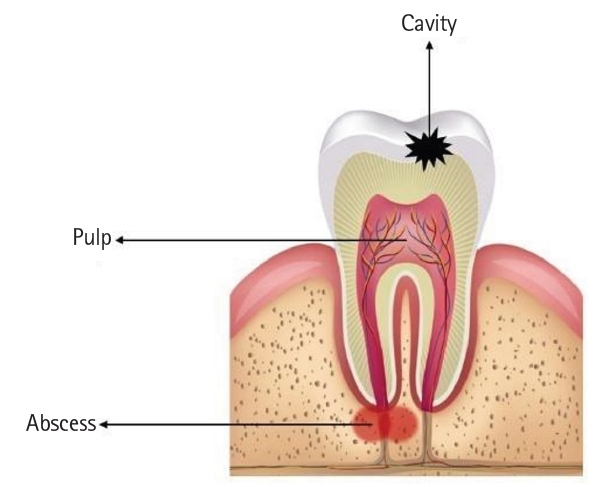
Periapical inflammation caused by deep dental caries leading to pulp necrosis and abscess formation.
Fig. 2.
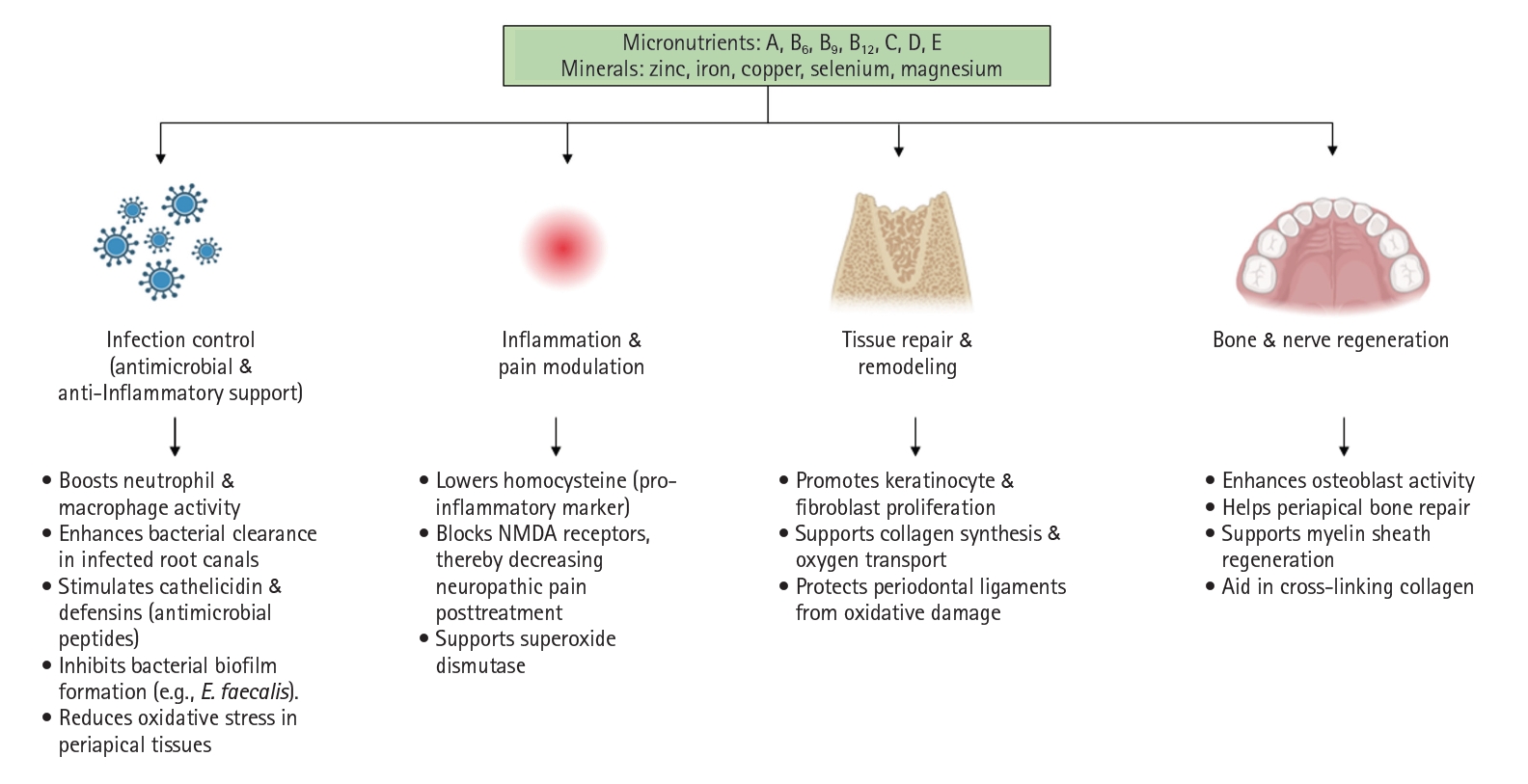
Key micronutrients and minerals in root canal healing: boosting immunity, reducing inflammation, and aiding tissue repair. NMDA, N-methyl-D-aspartate; E. faecalis, Enterococcus faecalis.
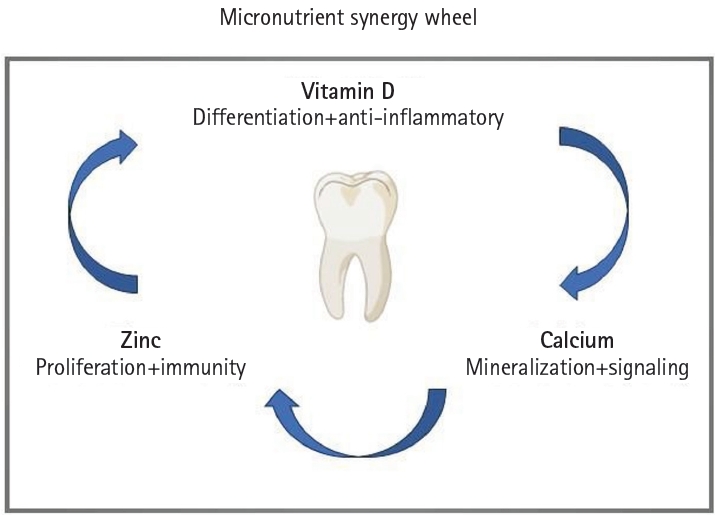
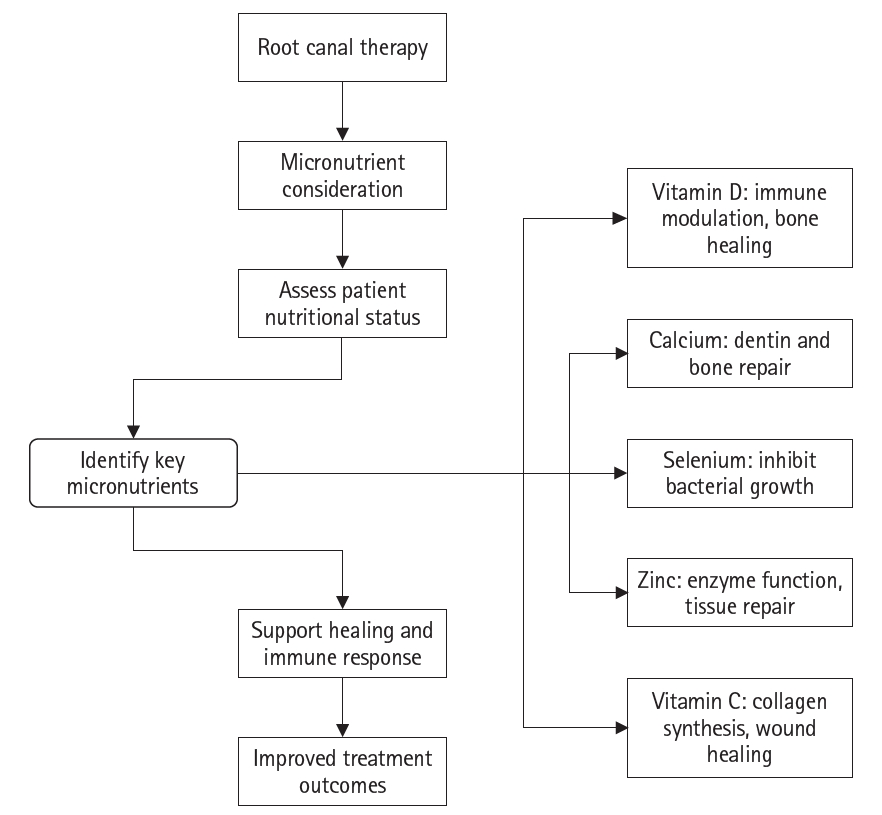
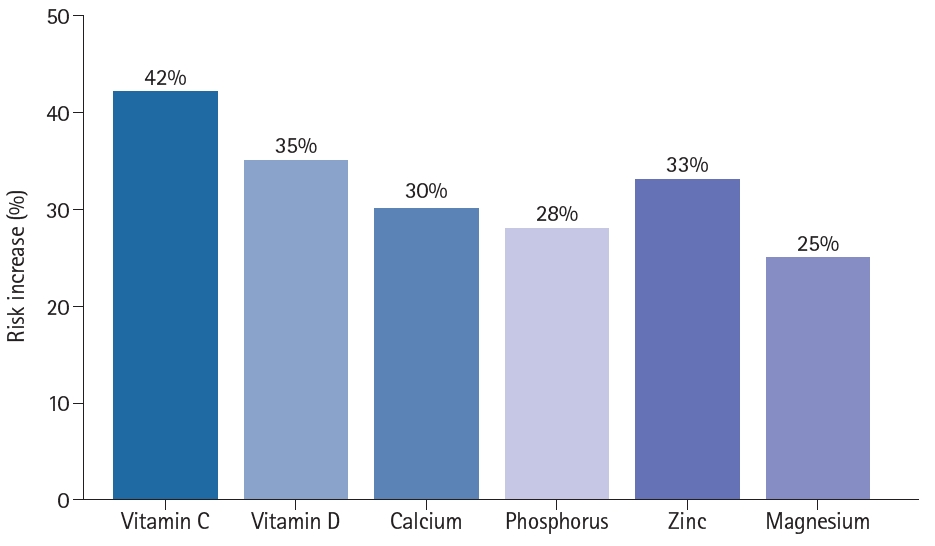
Table 1.
Therapeutic roles of micronutrients in modern root canal treatment
| Micronutrient | Application in root canal therapy | Key findings | Reference |
|---|---|---|---|
| Calcium hydroxide | Used for apexification in immature teeth with open apices to induce apical closure. | Effective in inducing apical barrier formation; combined with mineral trioxide aggregate, it showed improved results. | [35] |
| Omega-3 fatty acids | Investigated for reducing postoperative complications, with indirect relevance to endodontics. | Associated with reduced postoperative infections, shorter hospital stay, and lower mortality. Their anti-inflammatory properties may benefit endodontic outcomes. | [36] |
| Selenium | Incorporated into dental sealants (SeLECT-Defense) to inhibit bacterial biofilm formation. | Completely inhibited Streptococcus mutans and Streptococcus salivarius biofilms and demonstrated a durable antibacterial effect. | [37] |
| Silver nanoparticles | Used as root canal irrigants because of their antimicrobial properties. | Effective against Enterococcus faecalis; efficacy depended on particle size and contact time. They were less effective than NaOCl but showed potential. | [38] |
| Vitamin C | Studied for antioxidant and anti-inflammatory effects in periodontal therapy. | Topical application reduced gingival inflammation and improved wound healing; vitamin C may also support periodontal and endodontic healing. | [39] |
| Vitamin E | Investigated for antioxidant properties in periodontal therapy. | Reduced oxidative stress and improved periodontal health; vitamin E may enhance healing in endodontic cases with inflammation. | [40] |
| Vitamin D | Linked to immune regulation; deficiency may exacerbate periodontitis. | Vitamin D deficiency was associated with increased periodontal inflammation, and supplementation improved outcomes. | [41] |
| Zinc oxide nanoparticles | Used as root canal sealers (nano-ZOE) to improve sealing ability. | Nano-ZOE sealers showed significantly less microleakage than conventional sealers (AH26 and micro-ZOE). | [42] |
| Magnesium | Incorporated into dental materials to enhance mechanical properties, such as enamel remineralization. | Increased enamel hardness by approximately 20% through Mg-doped apatite formation, with potential applications in regenerative dentistry. | [43] |
| Silicon | Doped into calcium phosphate cements (Si-CPC) for controlled antibiotic release. | At 80%, Si-CPC enabled zero-order vancomycin release, and nanoporosity (37 nm) improved sustained delivery. | [44] |
- 1. Jin LJ, Lamster IB, Greenspan JS, Pitts NB, Scully C, Warnakulasuriya S, et al. Global burden of oral diseases: emerging concepts, management and interplay with systemic health. Oral Dis 2016;22:609-19. ArticlePubMed
- 2. Hatem AE. Epidemiology and risk factors of periodontal disease. IntechOpen; 2012.
- 3. Toledo AON, Couto AMD, Madeira MFM, Caldeira PC, Queiroz-Junior CM, Aguiar MCF, et al. Cytokines and chemokines associated with Treg/Th17 response in chronic inflammatory periapical disease. Braz Oral Res 2019;33:e093.ArticlePubMed
- 4. Muresan GC, Hedesiu M, Lucaciu O, Boca S, Petrescu N. Effect of vitamin D on bone regeneration: a review. Medicina (Kaunas) 2022;58:1337.ArticlePubMedPMC
- 5. Chugal N, Lin LM. Endodontic prognosis: clinical guide for optimal treatment outcome. Springer; 2016.
- 6. Orstavik D. Essential endodontology: prevention and treatment of apical periodontitis. 3rd ed. John Wiley & Sons; 2019.
- 7. Brennan PA, Aldridge T, Dwivedi RC. Premalignant conditions of the oral cavity. 13th ed. Springer; 2019.
- 8. Kishen A. Nanotechnology in endodontics: current and potential clinical applications. Springer; 2015.
- 9. Migliorati CA, Panagakos F. Diagnosis and management of oral lesions and conditions: a resource handbook for the clinician. InTech; 2014.
- 10. Balivada A, Chandra RV, Krithika D, Arvind B, Jaichander M, Girish P, et al. A Comparative evaluation of the effect of photobiomodulation on the depth of anaesthesia during endodontic treatment of teeth with symptomatic irreversible pulpitis-a prospective clinical trial. J Pharm Bioallied Sci 2025;17:S1359-61. ArticlePubMedPMC
- 11. Woo SM, Lim HS, Jeong KY, Kim SM, Kim WJ, Jung JY, et al. Vitamin D promotes odontogenic differentiation of human dental pulp cells via ERK activation. Mol Cells 2015;38:604-9. ArticlePubMedPMC
- 12. Cagetti MG, Wolf TG, Tennert C, Camoni N, Lingstrom P, Campus G, et al. The role of vitamins in oral health. a systematic review and meta-analysis. Int J Environ Res Public Health 2020;17:938.ArticlePubMedPMC
- 13. Rajasekar V, Abdalla MM, Huang M, Neelakantan P, Yiu CKY. Next-generation biomaterials for vital pulp therapy: exploring biological properties and dentin regeneration mechanisms. Bioengineering (Basel) 2025;12:248.ArticlePubMedPMC
- 14. Gal R, Halmosi R, Gallyas F, Tschida M, Mutirangura P, Toth K, et al. Resveratrol and beyond: the effect of natural polyphenols on the cardiovascular system: a narrative review. Biomedicines 2023;11:2888.ArticlePubMedPMC
- 15. Huang M, Hill RG, Rawlinson SCF. Zinc bioglasses regulate mineralization in human dental pulp stem cells. Dent Mater 2017;33:543-52. Article
- 16. Kyaw Moe MM, Ha JH, Jin MU, Kim YK, Kim SK. Root canal shaping effect of instruments with offset mass of rotation in the mandibular first molar: a micro-computed tomographic study. J Endod 2018;44:822-7. ArticlePubMed
- 17. Albasheer O, Abdelwahab SI, Alqassim A, Alessa H, Madkhali A, Hakami A, et al. Effects of vitamin D supplementation on symptoms and clinical outcomes in adults with different baseline vitamin D levels: an interventional study. J Health Popul Nutr 2025;44:176.ArticlePDF
- 18. Swapna LA, Abdulsalam R. Vitamin D deficiency and its effects on tooth structure and pulpal changes. Open Access Maced J Med Sci 2021;9:81-7. ArticlePDF
- 19. Abdulwahab MA, Alqurashi BK, Albaqawi FK, Al-Harbi KL, Alshurtan HS, Alqahtani FK, et al. Nutritional deficiencies and their role in endodontic disease susceptibility and recovery. Int J Community Med Public Health 2024;12:535-9. ArticlePDF
- 20. Papathanasiou E, Alreshaid R, Araujo de Godoi M. Anti-inflammatory benefits of food ingredients in periodontal diseases. Pathogens 2023;12:520.Article
- 21. Khanna-Jain R, Vuorinen A, Sandor GK, Suuronen R, Miettinen S. Vitamin D(3) metabolites induce osteogenic differentiation in human dental pulp and human dental follicle cells. J Steroid Biochem Mol Biol 2010;122:133-41. Article
- 22. Abedi N, Sajadi-Javan ZS, Kouhi M, Ansari L, Khademi A, Ramakrishna S, et al. Antioxidant materials in oral and maxillofacial tissue regeneration: a narrative review of the literature. Antioxidants (Basel) 2023;12:594.Article
- 23. Christopher SR, Mathai V, Nair RS, Angelo JM. The effect of three different antioxidants on the dentinal tubular penetration of Resilon and Real Seal SE on sodium hypochlorite-treated root canal dentin: an in vitro study. J Conserv Dent 2016;19:161-5. Article
- 24. Lieske B, Moszka N, Borof K, Petersen EL, Jagemann B, Ebinghaus M, et al. Association between an anti-inflammatory dietary score and periodontitis-evidence from the population-based Hamburg City Health Study. Nutrients 2023;15:3235.ArticlePubMedPMC
- 25. Halkai RS, Halkai KR, Aneesha YA, Naaz S. In vitro comparative evaluation of antioxidative effect of selenium alone and in combination with green tea and alpha-tocopherol on the shear bond strength of universal composite resin to enamel after in-office bleaching. J Conserv Dent Endod 2024;27:57-61. Article
- 26. Majumder MH, Sazzad S, Hasin R, Brishti TJ, Tabassum FN, Ahamed T, et al. The impact of low serum magnesium levels on COVID-19 severity and potential therapeutic benefits of magnesium supplementation: a systematic review. Cureus 2025;17:e77118. Article
- 27. Lesic S, Ivanisevic Z, Spiljak B, Tomas M, Sostaric M, Vcev A, et al. The impact of vitamin deficiencies on oral manifestations in children. Dent J (Basel) 2024;12:109.Article
- 28. Gombart AF, Pierre A, Maggini S. A review of micronutrients and the immune system-working in harmony to reduce the risk of infection. Nutrients 2020;12:236.ArticlePubMedPMC
- 29. Acatrinei Doneta A, Norina F, Bogdan-Stefan A, Rosoiu Natalia R. The action of treatmens with micronutriens and bioactive compounds in stopping the evolution of the periodontal disease. Romanian J Oral Rehabil 2021;13:68-88.
- 30. Pecora F, Persico F, Argentiero A, Neglia C, Esposito S. The role of micronutrients in support of the immune response against viral infections. Nutrients 2020;12:3198.ArticlePubMedPMC
- 31. Jagelaviciene E, Vaitkeviciene I, Silingaite D, Sinkunaite E, Daugelaite G. The relationship between vitamin D and periodontal pathology. Medicina (Kaunas) 2018;54:45.ArticlePubMedPMC
- 32. Marreiro DD, Cruz KJ, Morais JB, Beserra JB, Severo JS, de Oliveira AR, et al. Zinc and oxidative stress: current mechanisms. Antioxidants (Basel) 2017;6:24.Article
- 33. King JC, Brown KH, Gibson RS, Krebs NF, Lowe NM, Siekmann JH, et al. Biomarkers of nutrition for development (BOND)-zinc review. J Nutr 2015;146:858S-885S. ArticlePubMedPMC
- 34. Ashraf SA. Food fortification as a sustainable global strategy to mitigate micronutrient deficiencies and improve public health. Discover Food 2025;5:201.ArticlePDF
- 35. Gawthaman M, Vinodh S, Mathian VM, Vijayaraghavan R, Karunakaran R. Apexification with calcium hydroxide and mineral trioxide aggregate: report of two cases. J Pharm Bioallied Sci 2013;5:S131-4. ArticlePubMedPMC
- 36. Ramasamy S, Jain S, Kori R, Atri S, Singh CB. Role of omega-3 fatty acid infusion in surgical outcomes of perforation peritonitis patients: a randomized controlled trial. Cureus 2022;14:e23950. Article
- 37. Qi F, Huang H, Wang M, Rong W, Wang J. Applications of antioxidants in dental procedures. Antioxidants (Basel) 2022;11:2492.Article
- 38. Bhandi S, Mehta D, Mashyakhy M, Chohan H, Testarelli L, Thomas J, et al. Antimicrobial efficacy of silver nanoparticles as root canal irrigant's: a systematic review. J Clin Med 2021;10:1152.Article
- 39. Van der Velden U. Vitamin C and its role in periodontal diseases: the past and the present: a narrative review. Oral Health Prev Dent 2020;18:115-24.Article
- 40. Behfarnia P, Dadmehr M, Hosseini SN, Mirghaderi SA. The effect of vitamin E supplementation on treatment of chronic periodontitis. Dent Res J (Isfahan) 2021;18:62.Article
- 41. Li C, Zhang J, Wang L, Yang J. A case of early-onset periodontitis with vitamin D deficiency: a case report and literature review. Medicine (Baltimore) 2023;102:e35321. Article
- 42. Javidi M, Zarei M, Naghavi N, Mortazavi M, Nejat AH. Zinc oxide nano-particles as sealer in endodontics and its sealing ability. Contemp Clin Dent 2014;5:20-4. ArticlePubMedPMC
- 43. Kis VK, Sulyok A, Hegedus M, Kovacs I, Rozsa N, Kovacs Z, et al. Magnesium incorporation into primary dental enamel and its effect on mechanical properties. Acta Biomater 2021;120:104-15. Article
- 44. Lucas-Aparicio J, Manchon A, Rueda C, Pintado C, Torres J, Alkhraisat MH, et al. Silicon-calcium phosphate ceramics and silicon-calcium phosphate cements: substrates to customize the release of antibiotics according to the idiosyncrasies of the patient. Mater Sci Eng C Mater Biol Appl 2020;106:110173.ArticlePubMed
- 45. Oncu A, Huang Y, Amasya G, Sevimay FS, Orhan K, Celikten B, et al. Silver nanoparticles in endodontics: recent developments and applications. Restor Dent Endod 2021;46:e38. ArticlePDF
- 46. Tran P, Kopel J, Ray C, Reed J, Reid TW. Organo-selenium containing dental sealant inhibits biofilm formation by oral bacteria. Dent Mater 2022;38:848-57. Article
- 47. Tran P, Hamood A, Mosley T, Gray T, Jarvis C, Webster D, et al. Organo-selenium-containing dental sealant inhibits bacterial biofilm. J Dent Res 2013;92:461-6. ArticlePDF
- 48. Ghosh S, Mazumdar D, Ray PK, Bhattacharya B. Comparative evaluation of different forms of calcium hydroxide in apexification. Contemp Clin Dent 2014;5:6-12. Article
- 49. Azuma MM, Cardoso CBM, da Silva CC, de Oliveira PHC, Jacinto RC, Andrada AC, et al. The use of omega-3 fatty acids in the treatment of oral diseases. Oral Dis 2022;28:264-74. ArticlePubMedPDF
References
Figure & Data
REFERENCES
Citations
Citations to this article as recorded by 
 Cite
Cite XML Download
Nutritional insights in endodontics: a review of micronutrients in root canal therapy
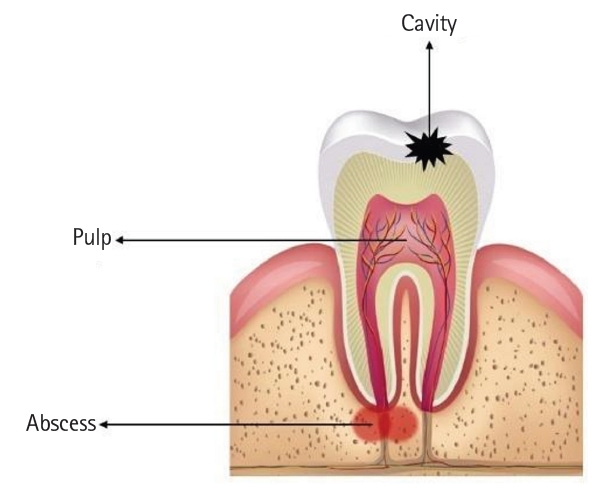
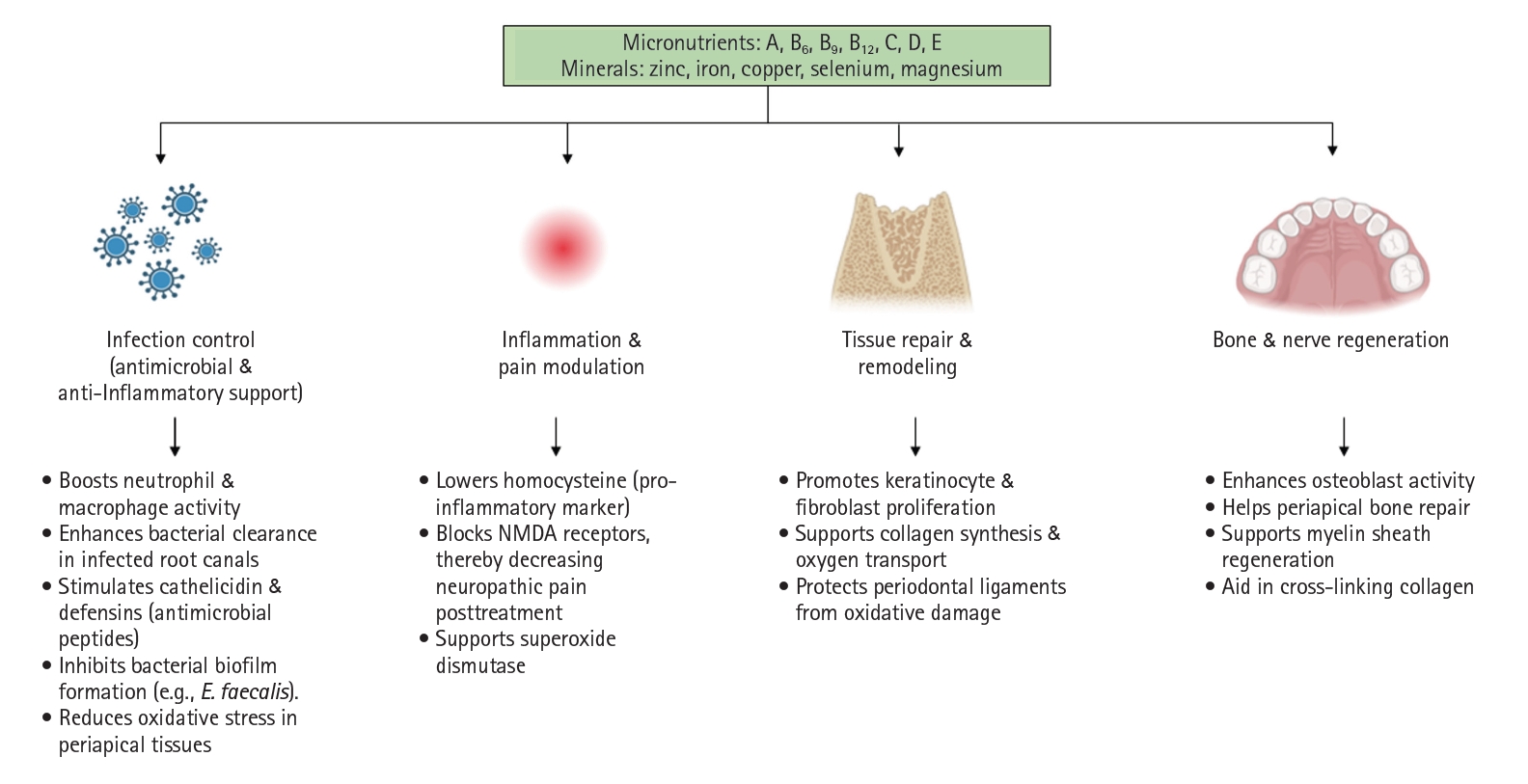
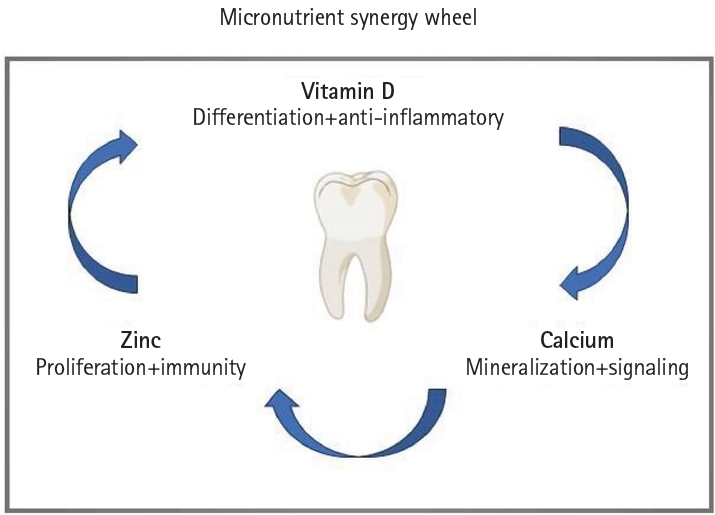
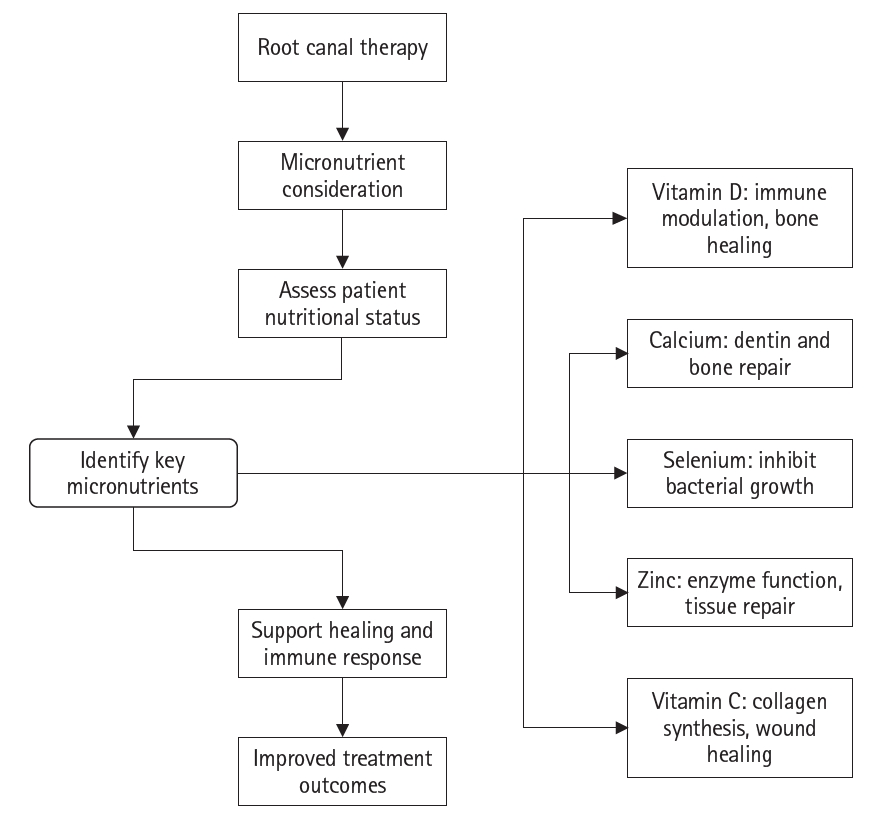
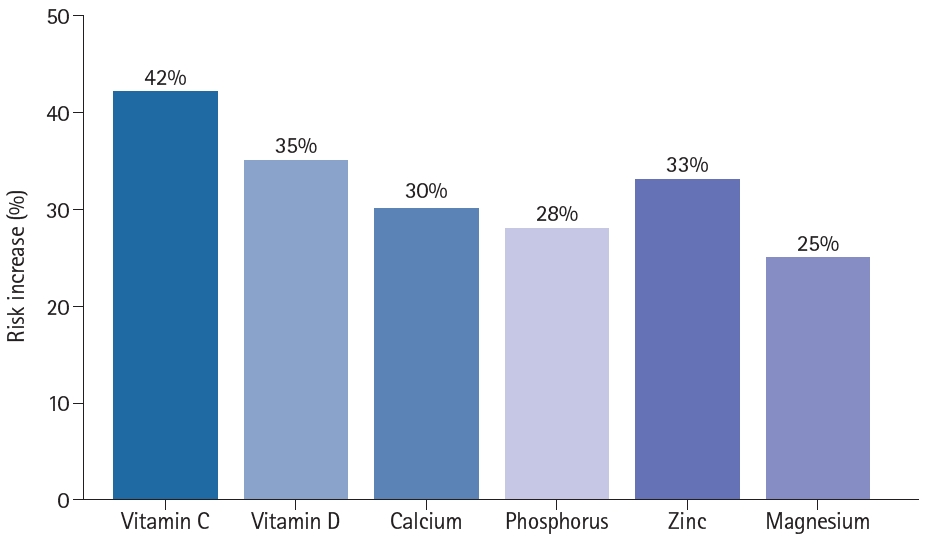
Fig. 1. Periapical inflammation caused by deep dental caries leading to pulp necrosis and abscess formation.
Fig. 2. Key micronutrients and minerals in root canal healing: boosting immunity, reducing inflammation, and aiding tissue repair. NMDA, N-methyl-D-aspartate; E. faecalis, Enterococcus faecalis.
Fig. 3. Roles of vitamin D, calcium, and zinc in pulpal tissue healing.
Fig. 4. Roles of micronutrients in root canal treatment.
Fig. 5. Micronutrient deficiencies and endodontic risk.
Fig. 1.
Fig. 2.
Fig. 3.
Fig. 4.
Fig. 5.
Nutritional insights in endodontics: a review of micronutrients in root canal therapy
| Micronutrient | Application in root canal therapy | Key findings | Reference |
|---|---|---|---|
| Calcium hydroxide | Used for apexification in immature teeth with open apices to induce apical closure. | Effective in inducing apical barrier formation; combined with mineral trioxide aggregate, it showed improved results. | [35] |
| Omega-3 fatty acids | Investigated for reducing postoperative complications, with indirect relevance to endodontics. | Associated with reduced postoperative infections, shorter hospital stay, and lower mortality. Their anti-inflammatory properties may benefit endodontic outcomes. | [36] |
| Selenium | Incorporated into dental sealants (SeLECT-Defense) to inhibit bacterial biofilm formation. | Completely inhibited Streptococcus mutans and Streptococcus salivarius biofilms and demonstrated a durable antibacterial effect. | [37] |
| Silver nanoparticles | Used as root canal irrigants because of their antimicrobial properties. | Effective against Enterococcus faecalis; efficacy depended on particle size and contact time. They were less effective than NaOCl but showed potential. | [38] |
| Vitamin C | Studied for antioxidant and anti-inflammatory effects in periodontal therapy. | Topical application reduced gingival inflammation and improved wound healing; vitamin C may also support periodontal and endodontic healing. | [39] |
| Vitamin E | Investigated for antioxidant properties in periodontal therapy. | Reduced oxidative stress and improved periodontal health; vitamin E may enhance healing in endodontic cases with inflammation. | [40] |
| Vitamin D | Linked to immune regulation; deficiency may exacerbate periodontitis. | Vitamin D deficiency was associated with increased periodontal inflammation, and supplementation improved outcomes. | [41] |
| Zinc oxide nanoparticles | Used as root canal sealers (nano-ZOE) to improve sealing ability. | Nano-ZOE sealers showed significantly less microleakage than conventional sealers (AH26 and micro-ZOE). | [42] |
| Magnesium | Incorporated into dental materials to enhance mechanical properties, such as enamel remineralization. | Increased enamel hardness by approximately 20% through Mg-doped apatite formation, with potential applications in regenerative dentistry. | [43] |
| Silicon | Doped into calcium phosphate cements (Si-CPC) for controlled antibiotic release. | At 80%, Si-CPC enabled zero-order vancomycin release, and nanoporosity (37 nm) improved sustained delivery. | [44] |
Table 1. Therapeutic roles of micronutrients in modern root canal treatment
ZOE, zinc oxide–eugenol; Si-CPC, silicon-doped calcium phosphate cement.


