
 E-submission
 KSPEN
KSPEN KSSMN
KSSMN ASSMN
ASSMN JSSMN
JSSMNIndexed in:
Scopus, KCI, KoreaMed
Scopus, KCI, KoreaMed

Articles
- Page Path
- HOME > Ann Clin Nutr Metab > Volume 18(2); 2026 > Article
- Guideline Nutritional support for critically ill patients by the Korean Society for Parenteral and Enteral Nutrition—part II: a clinical practice guideline
-
Jae Gil Lee1
 , You Min Sohn2, Seung Hwan Lee3, Yun Tae Jung4, Hak-Jae Lee5, Jeong Yun Park6, Nak-Jun Choi7, Jung Mi Song, RN, MSN8, Jee Young Lee9, Ji Yeon Kim10, Ji Yeong Jeong11, Ye Won Sung12, Eun Jeong Park12, Hyun Ji Ko13, Ji Yoon Cho14, Bomi Kim15, Yesung Oh16, In Chung Lee17, Jin Young Lee18,19, A Ram Kim20, Jee Yeon Lee21, Seong-Eun Kim22, Tae Sun Ha23, Min Kwan Kwon24
 -
Annals of Clinical Nutrition and Metabolism 2026;18(2):65-116.
DOI: https://doi.org/10.15747/ACNM.26.0059
Published online: July 31, 2026
1Department of Surgery, Ewha Womans University College of Medicine, Ewha Womans University Mokdong Hospital, Seoul, Korea
2Department of Pharmacy, Samsung Medical Center, Seoul, Korea
3Department of Trauma Surgery, Gachon University College of Medicine, Gachon University Gil Medical Center, Incheon, Korea
4Department of Surgery, Gangneung Asan Hospital, Gangneung, Korea
5Department of Surgery, Uijeongbu Eulji Medical Center, Eulji University, Uijeongbu, Korea
6Department of Clinical Nursing, University of Ulsan, Seoul, Korea
7Department of Surgery, Korea University Guro Hospital, Seoul, Korea
8Department of Nursing, Asan Medical Center, Seoul, Korea
9Department of Nursing, Kosin University Gospel Hospital, Busan, Korea
10Department of Clinical Nutrition, National Cancer Center, Goyang, Korea
11Department of Clinical Nutrition, Ewha Womans University College of Medicine, Ewha Womans University Mokdong Hospital, Seoul, Korea
12Department of Pharmacy, Chungnam National University Hospital, Daejeon, Korea
13Department of Clinical Nutrition, Gachon University Gil Medical Center, Incheon, Korea
14Department of Pharmacy, Daegu Fatima Hospital, Daegu, Korea
15Department of Pharmacy, Seoul National University Hospital, Seoul, Korea
16Department of Clinical Nutrition, Ajou University Hospital, Suwon, Korea
17Department of Nursing, Gachon University Gil Medical Center, Incheon, Korea
18Department of Surgery, Korea University Guro Hospital, Seoul, Korea
19Trauma Center, Armed Forces Capital Hospital, Seongnam, Korea
20Department of Nutrition Services, Eunpyeong St. Mary's Hospital, College of Medicine, The Catholic University of Korea, Seoul, Korea
21Department of Surgery, Yonsei University College of Medicine, Seoul, Korea
22Department of Internal Medicine, Ewha Womans University College of Medicine, Ewha Womans University Mokdong Hospital, Seoul, Korea
23Department of Surgery, Soonchunhyang University College of Medicine, Soonchunhyang University Bucheon Hospital, Bucheon, Korea
24Department of Internal Medicine, University of Ulsan College of Medicine, Seoul, Korea
- Corresponding author: Jae Gil Lee, email: jakii71@gmail.com
• Received: June 11, 2026 • Revised: July 6, 2026 • Accepted: July 6, 2026
© 2026 The Korean Society of Surgical Metabolism and Nutrition · The Korean Society for Parenteral and Enteral Nutrition · Asian Society of Surgical Metabolism and Nutrition
This is an Open Access article distributed under the terms of the Creative Commons Attribution Non-Commercial License (http://creativecommons.org/licenses/by-nc/4.0), which permits unrestricted non-commercial use, distribution, and reproduction in any medium, provided the original work is properly cited.
- 2,514 Views
- 66 Download


Abstract
-
Purpose Nutritional therapy is an essential component of intensive care management. Appropriate nutritional support may reduce infectious and metabolic complications and promote recovery in critically ill patients. However, nutritional practices vary across institutions, and international guidelines may not be directly applicable to clinical practice in Korea. Evidence-based clinical practice guidelines that reflect Korean intensive care unit practice are therefore needed.
-
Methods The Korean Society for Parenteral and Enteral Nutrition developed these clinical practice guidelines for nutritional therapy in critically ill adults through a systematic literature review and multidisciplinary expert consensus.
-
Results In total, 24 key clinical questions and 59 recommendations were developed. The guidelines address enteral and parenteral nutrition, feeding intolerance, aspiration prevention, energy and protein assessment, immune-modulating nutrition, micronutrient supplementation, refeeding syndrome, and disease-specific nutritional therapy for critically ill adults, including those with acute kidney injury, acute liver failure, acute respiratory distress syndrome, sepsis, trauma, and obesity. The recommendations emphasize individualized nutritional therapy according to hemodynamic status, metabolic phase, organ dysfunction, nutritional risk, and treatment goals.
-
Conclusion These guidelines provide practical, evidence-based recommendations for nutritional therapy in critically ill adults and reflect both current international evidence and Korean clinical practice. They may support more standardized and consistent nutritional support in Korean intensive care units.
Introduction
Critically ill adult patients are at high risk of malnutrition because severe illness, inflammation, weight loss, and inadequate nutritional intake commonly coexist during intensive care unit treatment. Malnutrition in intensive care unit patients is closely associated with adverse clinical outcomes, including increased infections, delayed recovery, longer hospital stays, and higher mortality [1-7].
In critically ill patients, acute inflammation and stress responses markedly alter normal energy and protein metabolism. Increased endogenous energy production and oxidative stress are common during this phase. These metabolic changes make the timing, amount, and composition of nutritional therapy clinically important. Therefore, nutritional support in the intensive care unit should not be viewed simply as calorie replacement, but as part of active treatment for critically ill patients. Appropriate nutritional therapy may support recovery and improve survival [8-12]. For this reason, this guideline uses the term medical nutrition therapy rather than nutritional support alone.
Many critically ill patients cannot maintain normal oral intake because of mechanical ventilation, impaired consciousness, or organ failure. Individualized nutritional strategies using enteral nutrition or parenteral nutrition (PN) are therefore often necessary [13,14]. Nutritional therapy in the intensive care unit also requires a multidisciplinary approach involving physicians, nurses, pharmacists, and dietitians. Close collaboration among healthcare professionals and standardized clinical guidelines is important for effective nutritional management [15-17].
In 2024, the Korean Society for Parenteral and Enteral Nutrition (KSPEN) published the first evidence-based Korean clinical practice guideline for nutritional support in critically ill adults, Part I, which addressed seven key clinical questions commonly encountered in intensive care unit practice [18]. That guideline provided a practical framework suited to the Korean medical environment and served as an initial step toward standardized nutritional care for critically ill patients. However, Part I covered only seven core topics and could not fully address the broad range of clinical situations encountered in daily intensive care unit practice. Therefore, the current guideline, Part II, was developed to expand the previous guideline by adding 24 key clinical questions related to nutritional therapy in critically ill adults.
In this guideline, early nutritional therapy does not refer to a strict time cutoff. Instead, it refers to starting nutritional therapy without unnecessary delay during the early phase of critical illness while considering the patient’s metabolic condition and clinical stability. Based on this concept, previous international guidelines have generally recommended starting nutritional therapy relatively early after intensive care unit admission, usually within 24–48 hours when feasible.
This guideline was developed using current evidence and expert consensus to improve the practical use and clinical applicability of nutritional therapy in critically ill adults. These recommendations are intended to help clinicians make more consistent, evidence-based decisions across diverse clinical situations and to improve patient outcomes and the quality of nutritional therapy in Korea.
Methods
These clinical practice guidelines were developed through collaboration among multidisciplinary healthcare professionals involved in nutritional therapy for critically ill patients, including physicians, nurses, pharmacists, and dietitians, together with experts in guideline development methodology. The purpose of these guidelines is to provide evidence-based recommendations for nutritional therapy in critically ill adults based on current evidence and expert consensus and to support healthcare professionals in making effective, consistent clinical decisions. In addition, these guidelines were designed to reflect the real-world practice environment of Korean intensive care units while incorporating current international recommendations and standards. They aim to provide standardized, practical recommendations for nutritional therapy in critically ill adults in Korea. Ultimately, these guidelines aim to improve the quality and consistency of nutritional therapy and contribute to better patient outcomes and public health.
These guidelines are intended for healthcare professionals involved in nutritional therapy for critically ill patients, including intensivists, surgeons, physicians, nurses, pharmacists, and dietitians. The target population includes critically ill adults aged 18 years or older who are admitted to the intensive care unit. The scope of these guidelines covers key components of nutritional therapy, including selection of the nutritional route, timing of nutrition initiation, assessment of energy requirements, and evaluation of nutrient composition and requirements. In addition to general critical illness, these guidelines address nutritional therapy strategies for specific disease conditions, including acute respiratory distress syndrome (ARDS), acute kidney injury (AKI), acute liver failure, sepsis, and trauma. These guidelines do not address nutritional therapy in pediatric or neonatal critically ill patients.
These guidelines were developed to reflect the current practice environment for nutritional therapy in Korean intensive care units and to provide evidence-based recommendations applicable to real clinical settings. However, several limitations should be acknowledged. First, because of the limited number of domestic studies, most evidence used in these guidelines was derived from international studies. For several key clinical questions, high-quality randomized controlled trials (RCTs) were limited. For selected key clinical questions with limited RCT evidence or substantial heterogeneity, recommendations were based on narrative evidence synthesis and expert consensus. Therefore, the certainty of evidence supporting some recommendations may be relatively low. Second, because high-quality studies involving Korean patients, especially RCTs, were limited, it was difficult to fully reflect the characteristics of the Korean population and clinical practice environment. Further clinical studies and evidence generation involving Korean critically ill patients are needed. Third, because these guidelines address a broad range of nutritional issues in critically ill adults, the amount and quality of evidence varied substantially across key clinical questions. Accordingly, some recommendations were based primarily on expert consensus and clinical applicability rather than high-certainty evidence. Despite these limitations, the current guideline expands the previous Part I guideline and covers a broader range of topics comparable to those addressed in international guidelines, such as those from the European Society for Clinical Nutrition and Metabolism (ESPEN) and the American Society for Parenteral and Enteral Nutrition (ASPEN). Future updates, supported by additional domestic research and regular revision, may further improve the quality and applicability of these Korean evidence-based clinical practice guidelines.
These guidelines were developed by the Guideline Committee of KSPEN through multidisciplinary collaboration among physicians, nurses, pharmacists, dietitians, and methodology experts. The composition and roles of the guideline development group are summarized on the title page. The guideline development process included key question (KQ) formulation, literature review, evidence appraisal, recommendation drafting, and expert consensus. Regular meetings were held throughout the development process to review the evidence, discuss clinical applicability, and finalize recommendation statements.
These guidelines were developed using an evidence-based approach combined with expert consensus to standardize nutritional therapy in critically ill adults [19]. The guideline development process followed the Appraisal of Guidelines for Research and Evaluation (AGREE) reporting framework. The overall development process consisted of three stages: (1) planning, (2) guideline development, and (3) external review and dissemination. The guideline development process included the following steps: (1) selection of KQs, (2) literature search and study selection, (3) evidence appraisal and synthesis, (4) determination of the certainty of evidence and strength of recommendations, (5) drafting of recommendations, and (6) consensus development. Depending on the amount and quality of evidence, either systematic review/meta-analysis or narrative review methods were applied to each KQ.
Selection of KQs
KQs were developed based on existing international guidelines, including those from ESPEN and ASPEN, with a focus on clinically important or debated issues related to nutritional therapy in critically ill adults. Candidate topics were selected by considering evidence availability, clinical applicability, and relevance to Korean intensive care unit practice. Through committee discussion, 24 key clinical questions were finalized using the PICO (Population, Intervention, Comparison, and Outcome) format, comprising population, intervention, comparator, and outcome.
Development methodology
These guidelines were developed using a mixed approach that combined adaptation and partial de novo development. Existing international guidelines were reviewed and adapted to reflect Korean intensive care unit practice patterns and the local healthcare environment. For selected KQs with sufficient RCT evidence, systematic reviews and meta-analyses were performed. For questions with limited RCT evidence or substantial heterogeneity among studies, narrative review and narrative synthesis approaches were applied.
Literature search and study selection
Literature searches were conducted in PubMed, Embase, the Cochrane Library, and KoreaMed. In principle, studies published after January 1, 2010, were included, although the search period varied according to the characteristics of each KQ. For questions with sufficient RCT evidence, systematic reviews and meta-analyses were conducted according to the Preferred Reporting Items for Systematic Reviews and Meta-Analyses (PRISMA) 2020 statement. Two reviewers independently screened studies and assessed eligibility according to predefined inclusion and exclusion criteria. Disagreements were resolved through discussion or consultation with a third reviewer. For questions with limited RCT evidence or substantial heterogeneity, evidence was summarized using a narrative review approach. Detailed search strategies and PRISMA flow diagrams for each KQ are presented in the supplementary materials.
Risk of bias assessment and evidence synthesis
For questions involving systematic reviews and meta-analyses, risk of bias assessment was performed using the Cochrane Risk of Bias 1.0 tool. Meta-analyses were conducted using Review Manager software (RevMan version 5.4), and random-effects models were applied when substantial heterogeneity was identified. For questions for which quantitative synthesis was not feasible, evidence was synthesized narratively based on clinically relevant findings.
Determination of the level of evidence and strength of recommendations
The certainty of evidence and strength of recommendations were determined according to the Grading of Recommendations Assessment, Development and Evaluation (GRADE) methodology (Table 1, Fig. 1). The certainty of evidence was classified as high, moderate, low, or very low. GRADEpro (McMaster University, Canada) was used for evidence profiling and Summary of Findings (SoF) tables. SoF tables were prepared only for questions supported by RCTs or systematic reviews. For narrative review-based questions, recommendations were presented as expert consensus statements. The wording of recommendations followed GRADE guidance according to recommendation strength. Recommendation strength and corresponding wording are summarized in Table 2.
Development of recommendations and consensus process
Draft recommendations were prepared by guideline committee members assigned to each KQ. The recommendations included recommendation statements, evidence summaries, references, recommendation strength, and certainty of evidence. Consensus was achieved through structured multidisciplinary discussion and anonymous voting involving KSPEN executive board members and guideline development committee members. Recommendations with ≥75% agreement were accepted. Agreement rates were categorized into four levels according to the percentage of agreement votes (Table 3).
Independent external review
The draft guidelines underwent independent external review by experts from related academic societies involved in critical care and nutritional therapy, including the Korean Society of Critical Care Medicine, Korean Society of Acute Care Surgery, and Korean Association of Critical Care Nurses. Reviewer comments regarding scientific validity, clinical applicability, and clarity of recommendations were reviewed by the guideline committee and incorporated into the final guideline when appropriate. External reviewers did not participate in final voting.
Funding and editorial independence
These guidelines were developed with support from KSPEN and did not receive commercial or external funding. Administrative support from the society had no influence on topic selection, evidence evaluation, recommendation formulation, or any academic decision-making process. All recommendations were developed through the independent judgment of the guideline committee.
Methodological and technical support
Literature searches were conducted with support from the Medical Library of Asan Medical Center. Methodological consultation regarding guideline development was provided by the National Evidence-based Healthcare Collaborating Agency (NECA). This support was limited to technical and methodological consultation and did not influence the final recommendations.
Management of conflicts of interest
All guideline development committee members declared no financial or nonfinancial conflicts of interest related to these guidelines. Potential conflicts of interest were reviewed before recommendation finalization.
Guideline updating plan
These guidelines expand the previous 2024 Part I guideline by incorporating additional KQs covering broader aspects of nutritional therapy in critically ill adults. Regular revision is planned approximately every 5 years or earlier if important new evidence emerges.
Dissemination and implementation plan
These guidelines will be disseminated through academic meetings and educational activities organized by KSPEN. A summarized practical version of the guideline will also be developed to facilitate implementation in routine clinical practice. In addition, summary tables and practical algorithms will be provided to facilitate bedside implementation. The main contents of the guideline will also be incorporated into educational programs and academic activities to promote the application of evidence-based nutritional therapy in critically ill adults.
Results
In total, 24 key clinical questions and 59 recommendations were developed and organized into thematic categories. Detailed recommendations and supporting evidence are presented in the following sections, and a summary of recommendations is provided in Table 4. Detailed search strategies, evidence tables, study summaries, meta-analyses, and supplementary figures for each KQ are provided in the supplementary materials.
KQ 1. Who should be considered for nutrition therapy in critically ill adult patients?
R1. Critically ill adult patients expected to stay in the intensive care unit for more than 48 hours are considered at risk for malnutrition, and nutrition therapy is suggested. (Expert consensus, strong consensus: 95%)
Critically ill patients may rapidly develop muscle wasting and malnutrition because systemic inflammation and metabolic alterations begin early after intensive care unit admission [20,21]. In a prospective observational study, Puthucheary et al. [21] demonstrated a significant reduction in rectus femoris muscle area shortly after intensive care unit admission, particularly in patients with multiorgan failure. A meta-analysis by Fazzini et al. [22] also reported significant muscle loss and a high prevalence of intensive care unit-acquired weakness during the first week of critical illness. The ESPEN guideline recommends considering patients expected to stay in the intensive care unit for more than 48 hours to be at nutritional risk [20]. Heyland et al. [23] reported that adequate energy and protein delivery was associated with reduced mortality in patients with a Nutrition Risk in the Critically Ill (NUTRIC) score ≥5. However, a meta-analysis by Chong et al. [24] did not demonstrate a consistent association between increased energy or protein delivery and mortality reduction in patients with malnutrition or nutritional risk. Therefore, patients expected to remain in the intensive care unit for more than 48 hours should be considered at high risk for malnutrition and as candidates for early nutritional therapy (Supplement Tables 1, 2).
KQ 2. How should malnutrition and nutritional risk be screened and assessed in critically ill adult patients?
R2. Screening for malnutrition or nutritional risk using a structured tool is suggested within 24–48 hours after intensive care unit admission. (Expert consensus, strong consensus: 100%)
R3. Use of validated tools such as the modified NUTRIC (mNUTRIC) score or Nutritional Risk Screening 2002 (NRS-2002) is suggested for nutritional risk screening. (Expert consensus, strong consensus: 97%)
R4. Standardized assessment and diagnosis using tools such as the Global Leadership Initiative on Malnutrition (GLIM) criteria or Subjective Global Assessment (SGA) are suggested in patients at risk, followed by appropriate nutrition care planning. (Expert consensus, strong consensus: 100%)
Malnutrition in critically ill patients is associated with increased mortality, infectious complications, prolonged mechanical ventilation, and longer intensive care unit stays [25,26]. Therefore, early screening and assessment of nutritional risk after intensive care unit admission are important [27]. Commonly used nutritional risk screening tools in critically ill patients include the mNUTRIC score, NRS-2002, and the Malnutrition Universal Screening Tool (MUST) [5,28]. Among these, the mNUTRIC score was specifically developed for critically ill patients and has been associated with mortality, duration of mechanical ventilation, and intensive care unit length of stay across diverse intensive care unit populations [29-35]. NRS-2002 is also recommended in international guidelines as a nutritional risk screening tool for hospitalized and critically ill patients [1,5,27]. Institution-specific screening tools that reflect local intensive care unit practice patterns may also be considered in Korea [36-38].
Malnutrition assessment and diagnosis may be performed using the GLIM criteria and SGA [39]. The GLIM criteria provide a structured framework that integrates clinical and pathophysiological factors [40,41], and several studies have reported improved prognostic performance when the GLIM criteria are combined with the mNUTRIC score [42]. SGA has also been associated with malnutrition diagnosis and prognostic prediction in critically ill patients and may be useful in intensive care unit settings where body composition assessment is difficult [43,44].
Individualized nutritional interventions based on structured nutritional screening and assessment are associated with improved nutritional status and better clinical outcomes, including reduced mortality, infectious complications, and functional decline. Therefore, structured nutritional risk screening should be performed early after intensive care unit admission, followed by standardized nutritional assessment and individualized nutritional therapy in high-risk patients (Supplement Table 3).
KQ 3. When should nutritional therapy be initiated in critically ill adult patients?
R5. Early initiation of nutritional therapy as soon as possible after hemodynamic stability has been achieved is suggested. (Expert consensus, strong consensus: 100%)
R6. Enteral nutrition is suggested as the preferred route, and PN may be applied on an individual basis according to the patient’s clinical condition. (Expert consensus, strong consensus: 97%)
Early nutritional therapy is important in critically ill patients to reduce metabolic stress, muscle wasting, and infectious complications. ESPEN, the Society of Critical Care Medicine–American Society for Parenteral and Enteral Nutrition (SCCM-ASPEN), and the European Society of Intensive Care Medicine (ESICM) guidelines recommend initiating early enteral nutrition within 24–48 hours after intensive care unit admission in patients without contraindications to enteral feeding [1,5,20,45-47].
Compared with delayed enteral nutrition or no nutritional therapy, early enteral nutrition has been associated with fewer infectious complications, shorter duration of mechanical ventilation, and shorter intensive care unit stays. A meta-analysis by Moon et al. [48] reported that early enteral nutrition was associated with reduced intensive care unit length of stay in patients with sepsis, whereas a meta-analysis by Talebi et al. [49] demonstrated reductions in infectious complications and mortality.
In contrast, the EPaNIC trial, which evaluated early PN, reported increased infectious complications, prolonged mechanical ventilation, and prolonged renal replacement therapy in the early PN group [50]. Therefore, enteral nutrition should be prioritized whenever feasible, and PN should be considered selectively in patients with contraindications to enteral nutrition or insufficient enteral intake.
Recent studies have also evaluated very early enteral nutrition initiated within 6–24 hours after intensive care unit admission [51-53]. Some studies have suggested associations with reduced intensive care unit length of stay and shorter duration of mechanical ventilation, although the overall level of evidence remains limited because of small study sizes and heterogeneous patient populations.
Overall, initiation of nutritional therapy within 24–48 hours after intensive care unit admission is considered appropriate in critically ill patients. PN should be applied selectively according to the patient’s clinical condition when enteral nutrition is not feasible or is insufficient (Supplement Tables 4, 5).
KQ 4. When should enteral nutrition be delayed or discontinued in critically ill patients?
R7. Initiation of enteral nutrition is not suggested in hemodynamically unstable patients until hemodynamic stability has been achieved. (Expert consensus, strong consensus: 97%)
R8. Initiation of low-dose enteral nutrition (10–20 mL/hr) is suggested in patients receiving vasopressors when adequate hemodynamic stability has been achieved and vasopressor doses are stable or decreasing. (Expert consensus, strong consensus: 100%)
R9. Withholding or discontinuation of enteral nutrition is suggested in the following situations. (Expert consensus, strong consensus: 97%)
• Uncontrolled shock and hypoperfusion: lack of hemodynamic stability, increasing vasopressor requirements, elevated serum lactate levels, or suspected tissue hypoperfusion
• Uncontrolled life-threatening respiratory failure: severe hypoxemia, hypercapnia, or acidosis
• Active gastrointestinal bleeding
• Gastrointestinal dysfunction or severe enteral feeding intolerance (EFI): severe abdominal distension, gastric residual volume (GRV) >500 mL over 6 hours, uncontrolled vomiting with aspiration risk, or severe diarrhea
• High-output intestinal fistula or stoma when safe enteral feeding distal to the fistula or stoma is not feasible
• Structural gastrointestinal injury: unresolved intestinal perforation, mechanical bowel obstruction, or bowel ischemia
• Abdominal compartment syndrome
Evidence from RCTs regarding the optimal timing of enteral nutrition initiation in critically ill patients with shock or vasopressor support is limited, and current evidence is based mainly on observational studies and international guidelines. ESPEN and SCCM-ASPEN guidelines recommend withholding enteral nutrition until adequate hemodynamic stability has been achieved [1,5,20,45,54]. However, several studies and guidelines suggest that low-dose enteral nutrition may be cautiously initiated in patients receiving vasopressors when blood pressure is stable and vasopressor doses are stable or decreasing [1,5,45]. Multiple observational studies have reported that early enteral nutrition during vasopressor therapy was associated with reduced mortality, shorter duration of mechanical ventilation, and decreased intensive care unit length of stay [55-60]. Better enteral feeding tolerance has also been reported in patients receiving lower norepinephrine-equivalent doses. In contrast, elevated serum lactate levels, high-dose vasopressor requirements, tissue hypoperfusion, or suspected bowel ischemia may increase the risk of enteral nutrition-related complications [45,54,61]. In addition, uncontrolled severe respiratory failure, active gastrointestinal bleeding, bowel ischemia, intestinal perforation, mechanical bowel obstruction, abdominal compartment syndrome, and severe gastrointestinal intolerance are recognized situations requiring withholding or discontinuation of enteral nutrition [1,5,20,45].
Overall, enteral nutrition should be initiated after adequate hemodynamic stability has been achieved in critically ill patients. Even in patients receiving vasopressors, cautious initiation of low-dose enteral nutrition may be considered when blood pressure is stable and vasopressor doses are stable or decreasing. However, enteral nutrition should be withheld or discontinued in cases of increasing vasopressor requirements, rising serum lactate levels, or suspected gastrointestinal hypoperfusion or ischemia (Supplement Tables 6, 7).
KQ 5. How should EFI be assessed in critically ill adult patients receiving enteral nutrition?
R10. Assessment of EFI is suggested. EFI should be comprehensively assessed by observing gastrointestinal symptoms, such as vomiting or regurgitation, abdominal distension, diarrhea, abdominal pain, and gastrointestinal bleeding, with GRV measured selectively when clinically indicated. (Expert consensus, strong consensus: 92%)
R11. Routine measurement of GRV is not suggested. (Expert consensus, consensus: 84%)
EFI is a condition in which adequate nutritional delivery cannot be achieved because of impaired gastrointestinal function or gastrointestinal complications, and it may be associated with reduced nutritional intake and worse clinical outcomes [62-64]. Recent guidelines recommend comprehensive assessment of EFI based primarily on clinical symptoms, such as vomiting or regurgitation, abdominal distension, abdominal pain, diarrhea, and gastrointestinal bleeding, rather than relying solely on GRV measurement [1,4,5,65,66].
GRV has traditionally been used in intensive care unit settings to assess aspiration risk and EFI. However, GRV alone does not reliably predict aspiration or clinical outcomes, and omission of routine GRV monitoring has not been associated with increased ventilator-associated pneumonia, mortality, or intensive care unit length of stay [65,66]. Nevertheless, some studies reported increased vomiting events with nonmonitoring strategies, suggesting that symptom-based monitoring remains important [66,67].
Selective GRV measurement may be considered in patients with recurrent vomiting or regurgitation, abdominal distension, abdominal pain, suspected aspiration, or gastrointestinal complications associated with hemodynamic deterioration. Observational studies and meta-analyses have suggested that enteral nutrition may be continued safely in the absence of symptoms even when GRV is within the range of 300–500 mL, and recent international guidelines generally consider GRV ≥500 mL over 4–6 hours to be clinically significant [1,4,5,68,69].
Overall, monitoring of enteral nutrition in critically ill adults should focus primarily on clinical symptoms related to EFI, and routine GRV measurement is not recommended. GRV may be used selectively as an adjunctive assessment tool in patients with suspected EFI or aspiration risk, and decisions regarding interruption of enteral nutrition should be based on comprehensive clinical assessment rather than GRV alone (Supplement Table 8).
KQ 6. In critically ill adult patients receiving enteral nutrition, does continuous feeding, compared with intermittent feeding, affect clinical outcomes?
R12. Continuous feeding may be considered the preferred approach. Intermittent feeding may also be considered in clinically stable patients or when continuous feeding is not feasible. (Low evidence, conditional for, strong consensus: 95%)
Enteral feeding methods are generally classified as continuous feeding and intermittent or bolus feeding. Continuous feeding provides nutrition at a constant rate over time and is commonly used in critically ill patients. A meta-analysis of seven RCTs demonstrated significantly lower intensive care unit mortality in the continuous feeding group than in the intermittent feeding group (relative risk [RR], 0.69; 95% confidence interval [CI], 0.48–0.99) (Fig. 2) [70-76]. Constipation tended to occur more frequently with continuous feeding, although the difference was not statistically significant, whereas other gastrointestinal complications, including vomiting and diarrhea, tended to occur less frequently in the continuous feeding group. In addition, several studies reported that continuous feeding was associated with improved achievement of target calorie and protein delivery, reduced glycemic variability, lower GRV, and improved gastrointestinal tolerance [74,76].
Results regarding aspiration and aspiration pneumonia have been inconsistent across studies. Some studies and meta-analyses reported no significant difference between feeding methods [77,78], whereas others suggested a potential increase in aspiration risk with intermittent or bolus feeding [79,80]. Recent ESPEN practice guidelines and SCCM-ASPEN guidelines recommend preferential consideration of continuous feeding in critically ill patients, particularly in those at high risk of aspiration or with poor tolerance of bolus feeding [1,5,20].
Overall, continuous feeding may provide advantages in feeding stability and gastrointestinal tolerance in critically ill adults and may be preferentially considered in patients at high risk of aspiration or EFI. However, the feeding strategy should be individualized according to the patient’s clinical condition, institutional resources, and intensive care unit practice environment (Supplement Tables 9-11 and Supplement Figs. 1-4).
KQ 7. Does trophic feeding, compared with full feeding, improve clinical outcomes in adult critically ill patients?
R13. Trophic feeding may be considered during the early phase of intensive care unit admission when gastrointestinal function is uncertain or when advancement of enteral nutrition is challenging. (Low evidence, conditional for, strong consensus: 97%)
Trophic feeding is a strategy that provides a limited amount of nutrition to maintain intestinal mucosal integrity and prevent gastrointestinal atrophy; it is generally administered at approximately 10–20 kcal/hr or less than 500 kcal/day [1,20]. Recent international guidelines increasingly describe trophic feeding as an extreme form of hypocaloric feeding during the acute phase of critical illness [4,5,81].
A meta-analysis of three RCTs comparing trophic feeding and full feeding demonstrated no significant differences in mortality (RR, 1.03; 95% CI, 0.85–1.26), pneumonia (RR, 0.98; 95% CI, 0.68–1.43), or overall infection rates (RR, 1.10; 95% CI, 0.89–1.36) (Fig. 3) [82-84]. However, gastrointestinal intolerance, including vomiting, increased GRV, and constipation, tended to occur less frequently in the trophic feeding group.
ESPEN, SCCM-ASPEN, and Korean clinical practice guidelines recommend hypocaloric feeding strategies during the early acute phase of critical illness [4,5,18], and trophic feeding may be considered one form of this restricted-calorie approach. In particular, trophic feeding may serve as an initial strategy to maintain gastrointestinal function and improve feeding tolerance when advancement to full nutritional targets is difficult.
Although trophic feeding did not demonstrate clear benefits in mortality or infectious complications compared with full feeding, it showed potential advantages in reducing gastrointestinal intolerance. Therefore, trophic feeding may be selectively considered during the early acute phase in critically ill patients with uncertain gastrointestinal tolerance or difficulty achieving full nutritional targets, although the current level of evidence remains limited (Supplement Table 12-14 and Supplement Figs. 5-7).
KQ 8. How should aspiration risk be assessed and managed in critically ill adult patients receiving enteral nutrition?
R14. Assessment of aspiration risk should be considered in patients receiving enteral nutrition. (Low evidence, conditional for, strong consensus: 95%)
R15. Post-pyloric feeding should be considered rather than gastric feeding in patients at high risk of aspiration or with gastric feeding intolerance. (Moderate evidence, conditional for, strong consensus: 97%)
R16. The use of prokinetics is suggested in patients at high risk of aspiration or with EFI. (Expert consensus, strong consensus: 95%)
R17. Head-of-bed elevation at 30˚–45˚ and regular oral hygiene are suggested during enteral nutrition in mechanically ventilated patients. (Expert consensus, strong consensus: 100%)
Enteral nutrition in critically ill adults is commonly delivered through gastric or post-pyloric routes. Gastric feeding is the standard approach, but delayed gastric emptying and feeding intolerance may increase the risk of aspiration and pneumonia in high-risk patients [1,5]. SCCM-ASPEN guidelines emphasize the importance of aspiration risk assessment during enteral nutrition [1].
GRV monitoring has traditionally been used to assess aspiration risk [1,66,67]. Three RCTs were identified regarding GRV monitoring; however, one study was excluded from the pooled analysis because it enrolled patients with stroke and evaluated aspiration/vomiting rather than ventilator-associated pneumonia. Therefore, the meta-analysis included two RCTs and showed that routine GRV monitoring did not significantly reduce the incidence of ventilator-associated pneumonia (RR, 1.07; 95% CI, 0.72–1.59) (Fig. 4) [65,85,86]. Recent guidelines also suggest that GRV alone has limited value for aspiration risk assessment, and no standardized aspiration risk assessment tool has yet been established [87,88].
Post-pyloric feeding may be considered in patients at high risk of aspiration or with gastric feeding intolerance [1,5]. A meta-analysis of eight studies comparing gastric and post-pyloric enteral nutrition demonstrated that post-pyloric feeding significantly reduced ventilator-associated pneumonia (RR, 0.63; 95% CI, 0.45–0.86; P=0.004, I²=0%) and duration of mechanical ventilation (mean difference [MD], –1.92 days; 95% CI, –3.33 to –0.51; P=0.008, I²=74%) (Fig. 5) [89-96]. Post-pyloric feeding was also associated with reduced abdominal distension and EFI, although no significant differences were observed in overall pneumonia, mortality, or hospital length of stay. However, technical difficulty and patient characteristics should be considered when selecting the feeding route.
Prokinetics are recommended in patients with EFI [1,20]. Metoclopramide and erythromycin are the most commonly used agents and may improve delayed gastric emptying and feeding tolerance, although their effects on pneumonia prevention remain uncertain [1,5,20,97-99]. In Korea, metoclopramide is commonly available, whereas erythromycin is currently not available for clinical use. Itopride and DA-9701 may also be used as alternative agents, despite limited evidence in critically ill patients [100,101].
Head-of-bed elevation and oral hygiene are the most established nonpharmacologic interventions for aspiration prevention. Previous meta-analyses demonstrated that head-of-bed elevation at 30˚–45˚ reduced ventilator-associated pneumonia [102,103], and oral care using chlorhexidine was also associated with reduced pneumonia risk [104].
Overall, aspiration risk assessment is important in critically ill adults receiving enteral nutrition, although no single parameter reliably predicts aspiration risk. Routine GRV monitoring has limited clinical value, and post-pyloric feeding may be considered in high-risk patients. A multimodal strategy including prokinetics, head-of-bed elevation, and oral hygiene is recommended to reduce aspiration-related complications (Supplement Tables 15-20 and Supplement Figs. 8-12).
KQ 9. What is the optimal method to determine energy requirements in critically ill adult patients?
R18. Indirect calorimetry (IC) is considered for determining energy requirements. (Low evidence, conditional for, strong consensus: 100%)
R19. When IC is unavailable, the use of weight-based formulas (25 kcal/kg/day), predictive equations, and carbon dioxide production (VCO₂)-based estimation methods (in mechanically ventilated patients) is suggested. (Expert consensus, strong consensus: 97%)
Energy requirements in critically ill patients change continuously according to disease severity, inflammatory response, and organ dysfunction; therefore, accurate assessment of energy expenditure is important. Common methods for estimating energy requirements include IC, predictive equations, weight-based formulas, and VCO₂-based estimation methods. ESPEN and SCCM-ASPEN guidelines recommend IC as the reference standard for determining energy requirements in critically ill patients [1,5,20].
A meta-analysis of RCTs comparing IC-guided energy provision with predictive equation- or weight-based approaches demonstrated no significant difference in estimated energy requirements (MD, 25.62 kcal/day; 95% CI, –156.47 to 207.71; P=0.78) or major clinical outcomes, including intensive care unit mortality, hospital mortality, infectious complications, and length of stay (Fig. 6) [24,105-113]. However, actual delivered energy and energy balance tended to be more appropriate in the IC-guided group. Overall heterogeneity among studies was substantial, and the certainty of evidence was low.
Observational studies have reported that predictive equations and weight-based formulas may either underestimate or overestimate energy expenditure depending on the patient population and disease phase [114-125]. In particular, greater inaccuracy has been reported in patients with sepsis, burns, trauma, and liver transplantation because of marked metabolic variability [116-121]. VCO₂-based estimation methods showed relatively small differences compared with IC and may be considered an alternative approach, although they cannot fully replace IC [126]. Weight-based formulas are easy to apply in routine practice, but their accuracy may be limited in patients with edema or obesity. In addition, recent studies suggested that individualized energy delivery strategies increased nutritional delivery without consistently improving major clinical outcomes [127].
IC remains the preferred method for determining energy requirements in critically ill adults because it provides the most accurate assessment of energy expenditure, although its impact on clinical outcomes remains uncertain. Repeated measurements may be helpful when feasible. When IC is unavailable, weight-based formulas, predictive equations, or VCO₂-based estimation methods may be selectively applied according to the patient’s clinical condition (Supplement Tables 21-24 and Supplement Figs. 13-15).
KQ 10. Does enteral fish oil supplementation improve clinical outcomes in critically ill adults?
R20. Routine enteral fish oil supplementation is not recommended. (Low evidence, conditional against, strong consensus: 100%)
R21. Enteral fish oil supplementation may be considered in perioperative patients or those at high risk for infection (e.g., patients undergoing cardiac surgery or those with abdominal sepsis). (Low evidence, conditional for, strong consensus: 91%)
Enteral fish oil supplementation containing eicosapentaenoic acid and docosahexaenoic acid may modulate inflammatory responses and promote resolution of inflammation and has been suggested to reduce infectious complications and shorten hospital stay [128-131]. However, whether these physiological effects consistently translate into improved clinical outcomes remains uncertain [131,132]. ESPEN and SCCM-ASPEN guidelines do not recommend routine enteral fish oil supplementation in critically ill adults [1,5].
A meta-analysis of seven RCTs demonstrated that enteral fish oil supplementation did not significantly reduce intensive care unit mortality (RR, 0.90; 95% CI, 0.59–1.40) or hospital mortality (RR, 0.95; 95% CI, 0.71–1.28) (Fig. 7) [133-139]. Intensive care unit length of stay was significantly shorter in the fish oil group; however, substantial heterogeneity among studies limits interpretation of this finding. Some studies also reported trends toward improvement in hospital length of stay, Sequential Organ Failure Assessment (SOFA) score, and incidence of septic shock, although statistical significance was not consistently demonstrated. Overall, the certainty of evidence was low to moderate because of heterogeneity in study populations, dosing regimens, and duration of supplementation.
Enteral fish oil supplementation has not demonstrated clear mortality benefits in critically ill adults, and current evidence does not support its routine use in the general intensive care unit population. However, selective use may be considered in specific patient populations, including perioperative patients and those at high risk of infectious complications, although further studies are needed (Supplement Tables 25-27, and Supplement Figs. 16-19).
KQ 11. Does additional immune-modulating enteral nutrition with arginine and glutamine affect clinical outcomes in critically ill adults?
R22. Routine enteral arginine supplementation is not recommended. Enteral arginine supplementation may be considered in patients with severe trauma or in postoperative critically ill patients. (Expert consensus, strong consensus: 97%)
R23. Routine enteral glutamine supplementation is not recommended. (Expert consensus, strong consensus: 95%)
Immune-modulating enteral nutrition containing specific nutrients, such as arginine, glutamine, and nucleotides, has been used to modulate immune function, regulate inflammatory responses, and maintain intestinal mucosal integrity [140,141]. However, whether these physiological effects consistently translate into improved clinical outcomes remains uncertain. ESPEN guidelines do not recommend routine use of arginine-containing immune-modulating formulas in critically ill adults, and SCCM-ASPEN guidelines also suggest limiting their use to selected populations, such as patients with severe trauma or surgical critical illness [1,5].
Systematic reviews of arginine-containing enteral immunonutrition have reported improvements in immunological parameters and reductions in postoperative infectious complications and pneumonia [142]. However, most studies involved selected surgical populations, including patients undergoing gastric cancer surgery, and the independent effect of arginine alone remains difficult to determine. Therefore, current evidence supports only selective use in patients with severe trauma or postoperative critical illness rather than routine supplementation in the general intensive care unit population.
Meta-analyses of enteral glutamine supplementation demonstrated possible reductions in hospital length of stay, but no significant improvements in mortality or infectious complications were observed [143]. In addition, interpretation of the results is limited by substantial heterogeneity in study populations, dosing regimens, and duration of supplementation. Other studies suggested potential benefits in intestinal permeability and oxidative stress in selected patient groups, but consistent mortality benefits have not been demonstrated [143-147].
Nucleotides have mainly been studied as components of combined immune-modulating formulas, making their independent clinical effects difficult to evaluate. Clinical evidence regarding nucleotide supplementation in critically ill adults remains very limited [141,148-150].
Current evidence does not support routine supplementation with enteral arginine or glutamine in critically ill adults because clear benefits in mortality and infectious complications have not been demonstrated. Arginine supplementation may be selectively considered in specific surgical conditions, such as severe trauma or postoperative critical illness, whereas routine use in the general intensive care unit population is not recommended. Likewise, routine enteral glutamine supplementation is not recommended because clinically meaningful benefits remain uncertain beyond possible reductions in hospital length of stay (Supplement Tables 28, 29).
KQ 12. In which situations can fiber-containing enteral formulas be used in critically ill adult patients?
R24. Routine use of fiber-containing enteral formulas is not suggested. (Expert consensus, strong consensus: 97%)
R25. In hemodynamically stable patients with preserved gastrointestinal function and persistent diarrhea, the use of fiber-containing enteral formulas is suggested. (Expert consensus, strong consensus: 100%)
Dietary fiber in enteral formulas may help maintain intestinal mucosal integrity and reduce EFI by modulating the gut microbiota and producing short-chain fatty acids [151-154]. Several clinical studies and meta-analyses have suggested that fiber supplementation may reduce the frequency and severity of diarrhea and improve feeding tolerance [154-157]. Soluble fiber has also been associated with potential benefits in glucose and lipid metabolism [152]. However, recommendations from international guidelines remain inconsistent. ESPEN and the Canadian Clinical Practice Guidelines concluded that current evidence is insufficient to support routine use of fiber-containing enteral formulas in critically ill patients [5,20,158]. In contrast, SCCM-ASPEN guidelines suggest the use of soluble fiber in hemodynamically stable patients with diarrhea during enteral nutrition [1]. Systematic reviews have also reported that soluble fiber appears safe and may reduce diarrhea in hemodynamically stable critically ill adults [159].
Insoluble fiber, however, may delay intestinal transit and increase intraluminal pressure, raising concerns about complications such as nonocclusive bowel ischemia in patients with hemodynamic instability or severe gastrointestinal dysmotility [160,161]. Most fiber-containing enteral formulas currently used in Korea contain a mixture of soluble and insoluble fiber, although direct comparative evidence by fiber type remains limited.
Current evidence does not support routine use of fiber-containing enteral formulas in all critically ill adults. However, in hemodynamically stable patients with preserved gastrointestinal function and persistent diarrhea after exclusion of non-nutritional causes, enteral formulas containing soluble fiber may be selectively considered (Supplement Tables 30, 31).
KQ 13. Does probiotic supplementation affect clinical outcomes in critically ill adults?
R26. Routine use of probiotics is not recommended. (Low evidence, conditional against, strong consensus: 100%)
Probiotics have been investigated as a strategy to modulate the gut microbiota, maintain intestinal barrier function, and reduce infectious complications in critically ill patients. A meta-analysis of 18 RCTs demonstrated that probiotic supplementation did not significantly reduce intensive care unit mortality, 28-/30-day mortality, or overall infection rates compared with control groups (Fig. 8) [162-179]. However, probiotic supplementation showed trends toward reductions in pneumonia, ventilator-associated pneumonia, and intensive care unit length of stay, although substantial heterogeneity was observed among studies. Constipation tended to decrease in the probiotic group, whereas no significant difference was observed in diarrhea incidence.
The included studies showed marked variability in probiotic strains, dosing regimens, administration routes, and treatment duration. In addition, study quality and design standardization were limited, resulting in overall low certainty of evidence. Accordingly, SCCM-ASPEN and Canadian Critical Care guidelines do not recommend routine use of probiotics in critically ill adults [1,180].
Probiotic supplementation may provide potential benefits in some infection-related outcomes; however, clear improvements in mortality or major clinical outcomes have not been consistently demonstrated. Given the substantial heterogeneity and potential risk of bias among studies, current evidence does not support routine use of probiotics in critically ill adults (Supplement Tables 32-34 and Supplement Figs. 20-23).
KQ 14. When should PN be initiated in critically ill adults when oral intake and enteral nutrition are not feasible?
R27. In patients unable to receive oral intake or enteral nutrition, initiation of PN within 3–7 days of intensive care unit admission should be considered. (Moderate evidence, conditional for, strong consensus: 92%)
R28. In patients with severe malnutrition, early initiation of PN is suggested. (Expert consensus, strong consensus: 97%)
PN is an alternative nutritional strategy for critically ill adults when oral intake and enteral nutrition are not feasible [5]. However, early PN during the acute phase of critical illness may be associated with overfeeding, hyperglycemia, and infectious complications; therefore, the timing of initiation requires careful consideration [1,3,181-183].
SCCM-ASPEN guidelines recommend considering early PN in patients with malnutrition or high nutritional risk when oral intake or enteral nutrition is not possible, whereas withholding PN during the first 7 days may be acceptable in well-nourished patients [4,5]. Subsequently, the CALORIES and NUTRIREA-2 trials demonstrated no significant differences in mortality or infectious complications between early enteral nutrition and PN strategies [184,185].
A meta-analysis of two RCTs comparing early and delayed PN, the EPaNIC trial and early PN trial, demonstrated no significant differences in intensive care unit mortality, hospital mortality, or long-term mortality between groups (Fig. 9) [50,186]. Early PN was associated with reduced hypoglycemia but increased infectious complications and longer duration of mechanical ventilation. These findings should be interpreted cautiously because calorie delivery and patient characteristics differed across studies.
In critically ill adults who cannot receive oral intake or enteral nutrition, initiation of PN within 3–7 days after intensive care unit admission may be considered in patients with adequate baseline nutritional status. In contrast, early PN may be selectively considered in patients with severe malnutrition or high nutritional risk to prevent further nutritional deterioration. PN should preferably be initiated at a low dose with careful monitoring of blood glucose and electrolytes, followed by gradual advancement according to clinical tolerance (Supplement Tables 35-37 and Supplement Figs. 24-26).
KQ 15. In candidates for early PN, what is the appropriate target caloric intake?
R29. Hypocaloric PN (≤70% of estimated energy requirements or ≤20 kcal/kg/day) is suggested during the early phase of intensive care unit stay (within the first week), with subsequent gradual advancement according to the clinical course. (Expert consensus, strong consensus: 100%)
During the early phase of critical illness, acute stress responses and increased endogenous energy production may increase the risk of metabolic complications, such as hyperglycemia, hepatic steatosis, and infectious complications, when excessive caloric intake is provided [187]. Accordingly, hypocaloric feeding strategies have been proposed during the initial phase of PN to avoid overfeeding.
A meta-analysis involving critically ill patients, including surgical and trauma populations, demonstrated that hypocaloric PN strategies (15–20 kcal/kg/day) were associated with fewer infectious complications and shorter hospital stays [188]. In addition, several RCTs reviewed in the SCCM-ASPEN guidelines reported no significant difference in mortality between hypocaloric and normocaloric feeding strategies, although hypocaloric feeding was associated with reduced hyperglycemia [189-192].
ESPEN guidelines recommend hypocaloric nutrition during the first week of intensive care unit stay in patients unable to receive oral intake or enteral nutrition, generally targeting less than 70% of estimated energy requirements [5,20]. Similarly, SCCM-ASPEN guidelines recommend hypocaloric PN during the first week of intensive care unit stay, defined as ≤20 kcal/kg/day or less than 80% of estimated energy requirements [1].
In critically ill adults requiring early PN, initiation with hypocaloric feeding during the first 7 days of intensive care unit stay appears reasonable. Energy delivery may subsequently be advanced gradually toward target requirements according to the patient’s clinical condition and metabolic stability. Careful monitoring for hyperglycemia, electrolyte imbalance, and refeeding syndrome is required during this period (Supplement Table 38).
KQ 16. Does supplementation with micronutrients and antioxidants affect clinical outcomes in critically ill adult patients?
R30. Micronutrients and vitamins should be routinely provided to meet daily requirements; when PN is used, they should be included at the recommended daily intake level. (Expert consensus, strong consensus: 100%)
R31. Additional supplementation with micronutrients and antioxidants above the recommended intake is not recommended. (Moderate evidence, conditional against, strong consensus: 92%)
R32. Routine high-dose vitamin C supplementation is not recommended. (Moderate evidence, conditional against, consensus: 78%)
R33. High-dose selenium supplementation is not recommended. (Low evidence, conditional against, strong consensus: 95%)
R34. Routine high-dose antioxidant supplementation, including vitamin D, thiamine, and N-acetylcysteine (NAC), is not recommended. (Low evidence, conditional against, strong consensus: 90%)
Micronutrients and vitamins play essential roles in metabolic regulation, antioxidant defense, and immune function, and deficiencies may contribute to organ dysfunction and increased complications in critically ill patients [193,194]. ESPEN guidelines and ASPEN expert consensus statements recommend routine provision of micronutrients and vitamins at the recommended daily intake level during PN in critically ill adults [5,20,194,195]. In contrast, routine supplementation above recommended daily requirements is not supported because evidence of clinical benefit is insufficient [1,5,20].
A meta-analysis including 64 RCTs demonstrated that micronutrient and antioxidant supplementation was associated with reduced 28-/30-day mortality, lower pneumonia incidence, and improved SOFA scores; however, no significant differences were observed in intensive care unit mortality or hospital mortality (Fig. 10) [196-259]. Considerable heterogeneity was present across most outcomes because of differences in patient populations, dosing regimens, duration of supplementation, and combination strategies.
Among individual micronutrients, high-dose vitamin C showed potential benefits in pneumonia reduction and shorter duration of mechanical ventilation in some studies, particularly in patients undergoing cardiovascular surgery, in whom possible reductions in 28-/30-day mortality were observed [196-220]. However, substantial heterogeneity and concerns about an increased need for renal replacement therapy have been reported, and current evidence remains insufficient to support routine use in the general intensive care unit population.
High-dose selenium, vitamin D, thiamine, NAC, and other antioxidant combinations demonstrated possible improvements in selected physiological or laboratory parameters, but consistent benefits in mortality or major clinical outcomes have not been demonstrated [221-259].
Adequate provision of micronutrients and vitamins at recommended daily intake levels remains important in critically ill adults. However, routine high-dose supplementation above recommended requirements is not supported because clinically meaningful benefits remain inconsistent and substantial heterogeneity exists among studies. Subgroup findings suggesting potential benefits of high-dose vitamin C in specific populations, particularly patients undergoing cardiovascular surgery, should be interpreted cautiously and require further validation (Supplement Tables 39-42 and Supplement Figs. 27-29).
KQ 17. Which laboratory parameters should be monitored in critically ill adult patients receiving nutrition therapy?
R35. Blood glucose should be measured immediately after admission or initiation of nutritional therapy and at least every 4 hours during the first 48 hours. The suggested target blood glucose range is 140–180 mg/dL, and insulin therapy is suggested if blood glucose persistently exceeds 180 mg/dL, with institutional discretion for initiation up to 200 mg/dL. (Expert consensus, strong consensus: 97%)
R36. Blood electrolytes (phosphate, potassium, magnesium, sodium, chloride) should be measured at least once daily during the first week of nutritional therapy, with early phosphate measurement suggested within 6–12 hours of admission. (Expert consensus, strong consensus: 95%)
R37. Liver function tests should be measured twice weekly during the initial phase of nutritional therapy and at least once weekly during the stable phase thereafter. (Expert consensus, strong consensus: 100%)
R38. Serum triglyceride levels should be measured once or twice weekly during nutritional therapy. In particular, close monitoring is suggested in patients receiving lipid-containing PN or lipid-based medications. (Expert consensus, strong consensus: 95%)
R39. Prealbumin is suggested as a supplementary marker for assessing response to nutritional therapy, and weekly measurement together with C-reactive protein (CRP) is suggested. (Expert consensus, consensus: 87%)
R40. In patients at high risk of vitamin and trace element deficiencies, clinicians should assess whether thiamine, vitamin C, copper, selenium, zinc, and other essential micronutrients are being supplied adequately and monitor levels when necessary (e.g., prolonged continuous renal replacement therapy [CRRT] for >2 weeks, severe burns, malabsorption, malnutrition, chronic alcoholism, or significant fluid drainage). (Expert consensus, strong consensus: 95%)
R41. Measurement of nitrogen balance is suggested to assess protein adequacy, although its use is limited in dialysis patients. (Expert consensus, strong consensus: 91%)
Appropriate laboratory monitoring is important in critically ill adults receiving nutritional therapy because metabolic alterations and nutrition-related complications commonly occur during intensive care unit care [20,260]. Although direct comparative studies are limited, abnormal laboratory findings are closely associated with clinical course and prognosis, supporting the need for systematic monitoring of key laboratory parameters.
ESPEN guidelines recommend measuring blood glucose immediately after intensive care unit admission or initiation of nutritional therapy and at least every 4 hours during the first 48 hours [20,260]. The recommended target glucose range is 140–180 mg/dL, and persistent hyperglycemia (>180 mg/dL) has been associated with poor clinical outcomes and requires insulin therapy [20,260-262]. Conversely, hypoglycemia (<70 mg/dL) is also associated with increased mortality [20]. In Korean intensive care units, insulin initiation thresholds of approximately 200 mg/dL are also commonly used in practice. Therefore, this guideline recommends maintaining blood glucose within the target range of 140–180 mg/dL while considering insulin therapy when blood glucose persistently exceeds 180 mg/dL, with institutional discretion for initiation up to 200 mg/dL depending on local protocols and clinical judgment.
Electrolyte monitoring is particularly important for prevention and early detection of refeeding syndrome. Hypophosphatemia is a hallmark feature of refeeding syndrome and may contribute to cardiac failure, respiratory failure, and neurological complications. Accordingly, early phosphate measurement within 6–12 hours after intensive care unit admission or initiation of nutritional therapy is recommended, followed by at least daily monitoring during the first week [20,260,263]. Hypokalemia and hypomagnesemia may also occur during refeeding and often require frequent monitoring and replacement, particularly during the early phase of nutritional therapy. Measurement every 6 hours during the first 24 hours may be considered in high-risk patients, followed by at least daily monitoring during the first week [20,260,263]. Sodium and chloride should also be monitored because of their relationship with fluid balance and acid-base status [260].
Liver dysfunction during nutritional therapy may be associated with overfeeding, sepsis, shock, hypoxia, and medication use. Excessive energy delivery has been associated with cholestasis and elevated liver enzyme levels, particularly when energy intake exceeds approximately 26–28 kcal/kg/day [260,264]. Therefore, liver function tests, including aspartate aminotransferase, alanine aminotransferase, alkaline phosphatase, and bilirubin, are suggested twice weekly during the early phase of nutritional therapy and at least weekly thereafter during the stable phase [260,263,265].
Hypertriglyceridemia may develop in association with lipid-containing PN, prolonged propofol infusion, excessive carbohydrate administration, or sepsis. Serum triglyceride levels are therefore suggested to be monitored once or twice weekly, especially in patients receiving intravenous lipid emulsions or lipid-based medications [260,265]. Reduction or discontinuation of lipid administration may be considered when triglyceride levels exceed 400–500 mg/dL [266].
Prealbumin has a relatively short half-life and may reflect short-term changes in nutritional status; however, it is strongly influenced by acute inflammation and should therefore be interpreted together with CRP [260]. Several studies have demonstrated associations between low or decreasing prealbumin levels and increased disease severity, shock, and poor prognosis [267-271]. Recent studies also suggest that dynamic changes in prealbumin may serve as a useful supplementary marker for assessing response to nutritional therapy [272]. Nevertheless, routine use may be limited by cost and practical considerations.
Patients receiving prolonged CRRT (>2 weeks) are at increased risk of water-soluble vitamin and trace element losses. Reduced levels of vitamin C, selenium, zinc, and copper have been reported in these patients [273,274]. Similarly, patients with severe burns may experience substantial trace element losses through wound exudates, potentially impairing wound healing and immune function [275]. Therefore, patients with prolonged CRRT, severe burns, malabsorption, malnutrition, chronic alcoholism, or significant fluid losses should be assessed for adequate supply and potential deficiencies of thiamine, vitamin C, selenium, copper, and zinc when clinically indicated.
Nitrogen balance remains one representative method for assessing the adequacy of protein delivery. Negative nitrogen balance has been associated with muscle wasting and poor clinical outcomes, and improvement in nitrogen balance has been associated with improved survival in some studies [276-279]. However, interpretation of nitrogen balance is limited because accurate measurement requires 24-hour urinary urea nitrogen collection and may be influenced by renal function, dialysis, urine output, and inflammatory status. In particular, interpretation is limited in patients undergoing dialysis or CRRT because actual nitrogen losses may not be fully reflected [265].
Laboratory monitoring during nutritional therapy is essential for early detection of nutrition-related complications, such as refeeding syndrome, overfeeding, hyperglycemia, and micronutrient deficiencies. Repeated assessment of blood glucose, electrolytes, liver function, triglycerides, prealbumin, and micronutrient status according to the patient’s clinical condition and phase of nutritional therapy is therefore important (Supplement Table 43).
KQ 18. What are strategies for assessing and preventing refeeding syndrome in critically ill adults?
R42. Structured screening for high risk of refeeding syndrome is suggested after intensive care unit admission. (Expert consensus, strong consensus: 97%)
R43. In patients at risk of refeeding syndrome, measurement of serum phosphate, potassium, and magnesium before and during the early phase of nutritional therapy, with supplementation when deficient and frequent reassessment, is suggested. (Expert consensus, strong consensus: 97%)
R44. In patients at risk of refeeding syndrome, initiation of nutrition with caloric restriction (100–150 g of glucose or 10–20 kcal/kg during the first 24 hours), followed by gradual advancement every 1–2 days, is suggested. (Expert consensus, strong consensus: 97%)
R45. In patients at risk of refeeding syndrome, administration of thiamine before initiation of nutritional therapy is suggested. (Expert consensus, strong consensus: 100%)
Refeeding syndrome is a metabolic complication that occurs when nutritional support is restarted after prolonged malnutrition or starvation. It is characterized by hypophosphatemia, hypokalemia, hypomagnesemia, thiamine deficiency, and fluid shifts [1,5,280-285]. These abnormalities usually develop within 72 hours after initiation of nutritional therapy and may result in severe complications, including arrhythmia, heart failure, respiratory failure, neurological dysfunction, and death. Refeeding syndrome may occur during both enteral nutrition and PN, and refeeding hypophosphatemia has been reported in 7%–62% of critically ill patients [284-287].
Patients with prolonged inadequate nutritional intake, significant recent weight loss, low body weight, baseline electrolyte abnormalities, severe illness, or major surgery are considered at high risk for refeeding syndrome [282,284,285]. ASPEN consensus recommendations provide structured criteria for patients at moderate and high risk and recommend systematic screening (Supplement Table 44) [280]. ESPEN and SCCM-ASPEN guidelines also emphasize early risk assessment and gradual nutritional advancement strategies [1,5,281-283,288].
During prolonged starvation, body stores of phosphate, potassium, magnesium, and thiamine become depleted while insulin secretion remains suppressed. After initiation of nutritional therapy, increased insulin secretion promotes rapid intracellular shifts of glucose and electrolytes, resulting in decreased serum concentrations [280,285,289-291]. Simultaneously, sodium and water retention may increase the risk of fluid overload and cardiovascular complications. Hypophosphatemia may impair myocardial and respiratory muscle function, whereas hypokalemia and hypomagnesemia are associated with life-threatening arrhythmias [280,285,289-291]. Thiamine deficiency may lead to lactic acidosis, heart failure (wet beriberi), and Wernicke–Korsakoff syndrome.
In high-risk patients, excessive caloric delivery during the initial phase of nutritional therapy may accelerate insulin-mediated electrolyte shifts and increase the risk of refeeding syndrome. Several studies have reported increased incidence of refeeding syndrome when initial caloric intake exceeded 20 kcal/kg/day, with higher mortality observed in patients with greater refeeding risk [284,291-294]. Therefore, ESPEN and SCCM-ASPEN guidelines recommend initiation of nutritional therapy with hypocaloric feeding (10–20 kcal/kg/day or 100–150 g/day of glucose), followed by gradual advancement according to clinical tolerance [1,5,280-283,292,293].
Electrolyte monitoring is a key component of prevention strategies. In high-risk patients, serum phosphate, potassium, and magnesium should be measured before initiation of nutritional therapy and monitored every 6–12 hours during at least the first 72 hours, followed by at least daily monitoring during the first week [1,260,280,288]. Aggressive supplementation and reassessment are required when deficiencies or rapid declines are detected.
Thiamine is an essential cofactor in glucose metabolism, and deficiency may result in lactic acidosis, heart failure, and Wernicke encephalopathy. Because thiamine requirements increase after initiation of nutritional therapy, international guidelines recommend administration of 100–300 mg/day beginning at least 30 minutes before nutritional support in high-risk patients and continuing for several days [1,5,280-282,285,289,295]. Although RCTs have not consistently demonstrated improved major clinical outcomes with thiamine supplementation [296,297], prophylactic administration is generally recommended because of its favorable safety profile, low cost, and potential to prevent severe thiamine deficiency-related complications. Refeeding syndrome is a potentially fatal complication in critically ill adults, and early risk identification and preventive strategies are essential. Structured screening, close electrolyte monitoring and replacement, gradual advancement of nutritional therapy starting with hypocaloric feeding, and prophylactic thiamine administration are recommended in patients at risk of refeeding syndrome (Supplement Tables 44, 45).
KQ 19. In patients with acute respiratory failure, including ARDS or acute lung injury (ALI), does enteral nutrition enriched with anti-inflammatory lipids affect clinical outcomes?
R46. Routine use of enteral formulas enriched with anti-inflammatory lipids, including omega-3 fatty acids and borage oil, is not recommended. (Moderate evidence, conditional against, strong consensus: 92%)
Enteral formulas enriched with anti-inflammatory lipids were developed to modulate inflammatory responses and attenuate lung injury through supplementation with eicosapentaenoic acid, docosahexaenoic acid, γ-linolenic acid (borage oil), and antioxidants. These formulations have been suggested to improve oxygenation and reduce organ dysfunction by decreasing inflammatory eicosanoid production, modulating neutrophil activation, and reducing alveolar-capillary membrane injury [129,298-300].
A meta-analysis of six RCTs evaluating anti-inflammatory lipid-enriched enteral nutrition in patients with ARDS or ALI showed no significant differences in 28-/60-day mortality (pooled RR, 1.23; 95% CI, 0.89–1.69; P=0.21), intensive care unit length of stay (MD, –0.90 days; 95% CI, –4.37 to 2.57; P=0.64), or ventilator-free days (MD, –0.70 days; 95% CI, –3.37 to 1.97; P=0.61) (Fig. 11) [135,139,301-304]. Some small studies reported improvements in SOFA score or Multiple Organ Dysfunction Score and reductions in new organ failure [303,304]. However, larger studies failed to demonstrate improvements in major clinical outcomes, and some even suggested potentially unfavorable effects [301]. Interpretation of the results is limited by heterogeneity in feeding protocols, formula composition, and patient populations.
Recent systematic reviews and meta-analyses have also shown that immune-modulating enteral formulas enriched with anti-inflammatory lipids do not significantly reduce mortality, and their effects on intensive care unit length of stay and duration of mechanical ventilation remain inconsistent [129,298-300]. Accordingly, both SCCM-ASPEN and ESPEN guidelines do not recommend routine use of these formulations in patients with ARDS or ALI [1,20,301,302,305,306].
Current evidence does not consistently support beneficial effects of anti-inflammatory lipid-enriched enteral formulas on major clinical outcomes in patients with ARDS or ALI, and some studies have reported potentially harmful outcomes. Therefore, routine replacement of standard enteral nutrition with these formulations is not recommended (Supplement Tables 46-49 and Supplement Figs. 30-32).
KQ 20. What is the optimal protein provision in critically ill adults with AKI?
R47. In patients with AKI (stage 1–3) who are not receiving renal replacement therapy, initial protein provision of 0.8–1.0 g/kg/day is suggested, with gradual advancement up to 1.2–1.3 g/kg/day according to the patient’s catabolic state and nutritional status. (Expert consensus, strong consensus: 95%)
R48. In patients receiving CRRT, protein provision of 1.5–1.7 g/kg/day is suggested. (Expert consensus, strong consensus: 95%)
AKI occurs in approximately 40%–60% of critically ill patients and is associated with prolonged intensive care unit stay and increased mortality [307]. Critical illness induces systemic inflammation and hypercatabolism, leading to accelerated protein breakdown and negative nitrogen balance, which are often more pronounced in patients with AKI [1,20]. Therefore, preservation of lean body mass and minimization of nitrogen loss are considered important goals of nutritional therapy in critically ill patients with AKI.
However, recent evidence suggests that routine high-protein feeding during the acute phase may not provide clear clinical benefits in patients with AKI who are not receiving renal replacement therapy [308,309]. Post hoc analyses of the EFFORT Protein trial reported that higher protein delivery (≥1.5–2.2 g/kg/day) in patients with nondialysis AKI was associated with increased 60-day mortality compared with standard protein provision (≤1.2 g/kg/day) [310-312]. Recent meta-analyses also demonstrated that high protein intake did not improve mortality, intensive care unit length of stay, or duration of mechanical ventilation and was associated with increased blood urea nitrogen levels [313,314]. In contrast, some studies suggested potential benefits in selected patients with stage III AKI or individualized protein strategies guided by nitrogen balance [106,315,316].
Current evidence suggests that routine high-protein feeding should not be universally applied during the acute phase of AKI in patients who are not receiving renal replacement therapy. An initial protein provision of approximately 0.8–1.0 g/kg/day, followed by gradual advancement up to 1.2–1.3 g/kg/day according to catabolic status, nutritional condition, and clinical course, appears to be a reasonable approach.
In contrast, patients receiving CRRT experience substantial amino acid and protein losses through the dialysis membrane, together with ongoing systemic catabolism, which increases the risk of negative nitrogen balance and muscle wasting [317-319]. Observational studies have suggested that higher protein intake may be associated with improved survival in patients receiving CRRT [320]. ESPEN guidelines recommend protein provision of at least 1.5 g/kg/day in patients receiving CRRT, with possible advancement up to 1.7 g/kg/day when clinically appropriate [20,307,310,311,313,314,321]. Individualization of protein delivery according to the patient’s metabolic and clinical condition is also considered important [307,317-319,321].
Protein provision in critically ill adults with AKI should be individualized according to renal replacement status, catabolic burden, nutritional status, and clinical course. Moderate protein provision appears appropriate in patients with non-CRRT AKI during the acute phase, whereas higher protein delivery is generally required in patients receiving CRRT because of increased protein losses and catabolism (Supplement Tables 50, 51).
KQ 21. Does high protein provision affect clinical outcomes in critically ill adults with liver failure?
R49. High protein provision (1.2–1.5 g/kg/day) is suggested in patients with liver failure. (Expert consensus, strong consensus: 91%)
R50. In hyperacute liver failure, protein provision may be delayed for 24–48 hours, with gradual initiation suggested thereafter. (Expert consensus, strong consensus: 95%)
R51. Routine use of branched-chain amino acid (BCAA)-enriched protein supplementation is not recommended in patients with liver failure and hepatic encephalopathy. However, oral or enteral BCAA-enriched protein supplementation may be considered in those with suspected protein intolerance or recurrent hepatic encephalopathy. (Expert consensus, strong consensus: 93%)
Patients with liver failure commonly develop protein depletion and sarcopenia because of increased protein catabolism and reduced protein synthesis, both of which are associated with poor clinical outcomes [5,322-324]. In particular, patients with cirrhosis and chronic liver failure frequently experience negative nitrogen balance and progressive muscle loss, whereas unnecessary protein restriction may further aggravate catabolism and malnutrition [325-328]. Current international guidelines do not recommend routine protein restriction in patients with liver failure. ESPEN guidelines recommend protein provision of approximately 1.2–1.5 g/kg/day in patients with liver failure and cirrhosis [5,322-324].
Some studies have suggested that higher protein intake or BCAA supplementation may improve nutritional parameters, such as muscle mass, handgrip strength, and serum albumin levels [329-332]. However, consistent improvements in mortality or long-term clinical outcomes have not been demonstrated. In addition, regular meal patterns and late-evening snacks may reduce overnight protein catabolism and nitrogen loss, whereas increased protein intake combined with exercise may help preserve muscle mass in patients with sarcopenia or sarcopenic obesity [322,333].
In hyperacute liver failure, elevated serum ammonia levels (>150 μmol/L) are associated with cerebral edema and increased intracranial pressure. Because patients are often metabolically unstable during the early phase, a stepwise nutritional approach may be required [334-339]. Accordingly, temporary delay or restriction of protein provision during the initial 24–48 hours, followed by gradual reintroduction, has been proposed. After protein reintroduction, close monitoring of ammonia levels and neurological status is necessary.
Routine protein restriction is also not recommended in patients with hepatic encephalopathy. RCTs have shown that normal-protein diets do not worsen hepatic encephalopathy [328], whereas protein restriction may aggravate catabolism and malnutrition. However, some patients may demonstrate protein intolerance, and in such cases, plant-based protein or BCAA-enriched protein supplementation at approximately 0.25 g/kg/day may be considered [322,338,340]. Systematic reviews and meta-analyses have shown that BCAA supplementation may improve symptoms of hepatic encephalopathy, although consistent benefits in mortality or long-term outcomes have not been demonstrated [341-344].
Long-term oral BCAA supplementation has been associated with improved event-free survival and quality of life in patients with advanced cirrhosis [345,346]. However, clear clinical benefits of intravenous BCAA administration in acute hepatic encephalopathy have not been established [339,343,344]. Therefore, BCAA supplementation may be selectively considered in patients with suspected protein intolerance or recurrent hepatic encephalopathy. In patients with obesity-associated nonalcoholic fatty liver disease or nonalcoholic steatohepatitis, protein provision of approximately 1.0–1.2 g/kg/day based on adjusted body weight may be considered, whereas higher protein intake may be required in those with malnutrition or sarcopenia [5,338].
Sufficient protein provision (1.2–1.5 g/kg/day) is generally preferred over routine protein restriction in critically ill adults with liver failure. However, temporary restriction followed by gradual advancement may be appropriate during the early unstable phase of hyperacute liver failure. Routine protein restriction is also not recommended in patients with hepatic encephalopathy, although selective use of BCAA-enriched protein supplementation may be considered in patients with suspected protein intolerance or recurrent hepatic encephalopathy (Supplement Table 52).
KQ 22. Does early enteral nutrition, compared with delayed enteral nutrition, improve clinical outcomes in adult trauma patients?
R52. Early enteral nutrition is suggested in patients with acute traumatic brain injury and acute spinal cord injury once hemodynamic stability has been achieved and gastrointestinal function is adequate. (Very low evidence, conditional for, strong consensus: 100%)
R53. Early enteral nutrition is suggested in patients with acute spinal cord injury once hemodynamic stability has been achieved and gastrointestinal function is adequate. (Expert consensus, strong consensus: 100%)
R54. Early enteral nutrition is suggested in patients with abdominal trauma who are hemodynamically stable and have confirmed or restored gastrointestinal continuity. (Expert consensus, strong consensus: 97%)
Trauma patients develop a marked catabolic response and increased metabolic demands immediately after injury, leading to rapid protein breakdown and negative nitrogen balance. These metabolic alterations are associated with muscle wasting, impaired immune function, and increased infectious complications, and delayed nutritional support may contribute to worse clinical outcomes. Therefore, initiation of enteral nutrition after hemodynamic stabilization has been advocated. In patients with traumatic brain injury, energy and protein requirements increase early after injury, and persistent nutritional deficits may be associated with infection, organ dysfunction, and delayed neurological recovery [347]. International guidelines, including the American College of Surgeons Trauma Quality Programs (ACS TQP) 2023 guidelines, ESPEN 2019/2023 guidelines, SCCM-ASPEN 2016 guidelines, and ESICM 2017 guidelines, recommend initiation of early enteral nutrition within 24–72 hours after hemodynamic stabilization [1,5,20,45,347,348]. A meta-analysis of two RCTs demonstrated that early enteral nutrition did not significantly reduce mortality, pneumonia, or hospital length of stay compared with delayed feeding (Fig. 12) [349,350]. However, early enteral nutrition was shown to be feasible and potentially beneficial without significant safety concerns. Because the number of studies and sample sizes were limited, the certainty of evidence was considered very low.
In patients with acute spinal cord injury, increased nitrogen loss and rapid muscle wasting occur early after injury, resulting in prolonged negative nitrogen balance [351-353]. Historically, nutritional support was often delayed because of concerns about ileus and EFI. However, recent studies and international guidelines recommend initiation of enteral nutrition as early as feasible, generally within 48 hours after hemodynamic stabilization [1,5,20,45,351,352]. Although direct randomized evidence remains limited, early enteral nutrition is considered clinically reasonable for maintaining gastrointestinal integrity and preventing nutritional deterioration.
In patients with abdominal trauma, disruption of gut barrier integrity and bacterial translocation may occur after injury or surgery, while profound catabolism develops simultaneously [5,354]. Therefore, early enteral nutrition has been advocated when gastrointestinal continuity is preserved or surgically restored and when contraindications, such as bowel ischemia, uncontrolled bleeding, or mechanical obstruction, are absent [5,45,355,356]. ESICM, ESPEN, SCCM-ASPEN, and recent trauma nutrition guidelines recommend initiation of enteral nutrition within 24–48 hours, and up to 72 hours, after hemodynamic stabilization [1,5,20,45,355,356]. Some studies have suggested potential benefits in reducing infections and preserving gastrointestinal function. The European Society for Trauma and Emergency Surgery Recommendations on Acute Care Surgery and Trauma Intensive Care guideline additionally suggested initiation of low-volume trickle feeding as early as feasible once gastrointestinal continuity has been surgically restored [355].
Although direct evidence demonstrating a survival benefit of early enteral nutrition in trauma patients remains limited, international guidelines consistently recommend initiation of enteral nutrition as early as possible after hemodynamic stabilization. In particular, in patients with traumatic brain injury, acute spinal cord injury, and abdominal trauma, early enteral nutrition may help reduce cumulative energy and protein deficits and preserve gastrointestinal function. Therefore, its application should be individualized according to the patient’s hemodynamic status and gastrointestinal function (Supplement Tables 53-55, and Supplement Figs. 33-35).
KQ 23. In critically ill adults with sepsis, does early enteral nutrition, compared with delayed enteral nutrition, improve clinical outcomes?
R55. Early enteral nutrition is suggested in patients with sepsis once hemodynamic stability has been achieved, with gradual advancement according to clinical status. (Expert consensus, strong consensus: 100%)
In patients with sepsis, systemic inflammation and tissue hypoperfusion may lead to intestinal mucosal injury, gut microbiota dysbiosis, and bacterial translocation, all of which may contribute to multiple organ dysfunction and poor clinical outcomes [1,45,357]. Enteral nutrition may help attenuate these pathophysiological processes by preserving intestinal mucosal integrity, maintaining gut-associated immune function, and preventing mucosal atrophy [1]. Accordingly, international guidelines recommend initiation of enteral nutrition as early as possible after hemodynamic stabilization.
Several studies have suggested that early enteral nutrition initiated within 24–48 hours after intensive care unit admission or sepsis diagnosis may be associated with shorter duration of mechanical ventilation, reduced intensive care unit length of stay, and shorter hospital stay compared with delayed enteral nutrition [358-361]. In addition, studies in patients with surgical sepsis have reported improvements in immunological parameters associated with early enteral nutrition [362]. However, the effect on mortality has been inconsistent across studies, and interpretation is limited by heterogeneity in patient populations and feeding strategies.
In patients with septic shock or hemodynamic instability, concerns remain about the risk of bowel ischemia due to impaired splanchnic perfusion [363-365]. In particular, aggressive early feeding may increase the risk of gastrointestinal complications [57,364]. Nevertheless, recent studies have demonstrated that trophic enteral nutrition initiated after stabilization of blood pressure and tissue perfusion, even in patients receiving vasopressors, was not associated with increased rates of severe bowel ischemia or intestinal necrosis and may be associated with shorter duration of mechanical ventilation and intensive care unit stay [57,366].
Although the current evidence remains limited and heterogeneous, early enteral nutrition appears feasible and relatively safe in patients with sepsis and may provide potential benefits, including reduced intensive care unit stay and shorter duration of mechanical ventilation. Therefore, initiation of enteral nutrition as early as possible after hemodynamic stabilization, generally within 24–48 hours, with low-dose initiation and gradual advancement according to gastrointestinal tolerance and clinical condition, is considered a reasonable strategy (Supplement Tables 56, 57).
KQ 24. What is the optimal nutritional therapy for critically ill adults with obesity?
R56. Early initiation of enteral nutrition is suggested once hemodynamic stability has been achieved. (Expert consensus, strong consensus: 100%)
R57. IC is suggested as the preferred method for measuring energy requirements. (Expert consensus, strong consensus: 95%)
R58. When IC is unavailable, hypocaloric nutrition of 20–25 kcal/kg/day based on adjusted body weight is suggested during the acute phase, with gradual advancement toward measured energy expenditure during the recovery phase. (Expert consensus, strong consensus: 95%)
R59. Protein provision of ≥1.3 g/kg/day based on adjusted body weight is suggested. (Expert consensus, strong consensus: 95%)
Nutritional therapy in critically ill adults with obesity should aim to minimize loss of lean body mass while avoiding overfeeding. In critically ill patients with obesity, energy calculation based on actual body weight may lead to overfeeding, whereas protein provision is often insufficient. Therefore, a hypocaloric, high-protein strategy has been proposed as the preferred nutritional approach [5,367-378].
There is no evidence supporting delayed enteral nutrition solely because of obesity. Early enteral nutrition after hemodynamic stabilization is considered appropriate. Observational studies have suggested that initiation of enteral nutrition within 24–48 hours after intensive care unit admission may be associated with shorter duration of mechanical ventilation and reduced intensive care unit length of stay, although mortality benefits have not been consistently demonstrated [369,371,375,376]. International guidelines also recommend early enteral nutrition after hemodynamic stabilization [1,5].
IC is considered the most accurate method for determining energy requirements in critically ill patients with obesity. Predictive equations may substantially overestimate or underestimate actual energy expenditure in this population [379,380]. When IC is unavailable, initiation of hypocaloric feeding using 20–25 kcal/kg/day based on adjusted body weight (= ideal body weight + 0.25 × [actual body weight – ideal body weight]) has been proposed to avoid overfeeding during the acute phase [1,5,380-383]. Gradual advancement according to the clinical course, recovery phase, and changes in energy expenditure is considered reasonable.
Adequate protein provision is a key component of nutritional therapy to reduce muscle wasting and intensive care unit-acquired weakness. ESPEN guidelines recommend protein provision of approximately 1.3 g/kg/day based on adjusted body weight [5,367,368,372-374,377,378,384]. Several studies have suggested that high-protein feeding based on ideal or adjusted body weight may improve nitrogen balance and help preserve lean body mass [1,377,378]. However, very high protein provision has not consistently demonstrated improvements in major clinical outcomes and may be associated with potential harm in some patient populations, indicating the need for individualized approaches [372,373].
In critically ill adults with obesity, early enteral nutrition after hemodynamic stabilization and assessment of energy requirements using IC are recommended whenever feasible. When IC is unavailable, initiation of hypocaloric feeding based on adjusted body weight together with a high-protein strategy targeting ≥1.3 g/kg/day is considered a reasonable approach (Supplement Tables 58, 59).
Discussion
Nutritional therapy is an essential component of critical care management. Accordingly, several international societies and research groups, including the ESPEN, ESICM, SCCM-ASPEN, ASPEN, and the Canadian Critical Care Nutrition group, have published evidence-based clinical practice guidelines and systematic reviews on nutritional therapy in critically ill patients [1,4,5,20,45,385]. However, these guidelines differ in the timing and route of nutritional therapy, energy and protein targets, and disease-specific nutritional strategies. In addition, some recommendations are difficult to apply directly in Korean intensive care units because of differences in medical resources, nutritional support systems, medication availability, and clinical practice patterns. Accordingly, KSPEN developed evidence-based clinical practice guidelines for nutritional therapy in critically ill adults that reflect Korean clinical practice. In 2024, KSPEN published a preliminary Part I guideline addressing seven key clinical questions [18]. The current guideline expands on the previous version and provides a comprehensive guideline covering broader aspects of nutritional therapy in critically ill adults.
One strength of the present guideline is that it incorporated relatively recent evidence by primarily including studies published after 2010. Whenever possible, recommendations were based on RCTs, systematic reviews, and meta-analyses. For clinical topics with insufficient RCT evidence or substantial heterogeneity among studies, recommendations were developed using narrative evidence synthesis and expert consensus. This approach allowed broad clinical coverage while maintaining evidence-based recommendation development. The present guideline also sought to reflect Korean intensive care unit practice patterns and domestic clinical environments. Although efforts were made to include Korean studies and domestic clinical data whenever available, high-quality Korean evidence remains limited. Most available domestic studies were observational or retrospective, and large-scale, well-controlled RCTs involving Korean critically ill patients were scarce. Therefore, many recommendations were still based largely on international evidence and did not substantially differ from existing ESPEN or ASPEN guidelines.
Nevertheless, several recommendations were adapted to address practical issues specific to Korea. For example, although IC is recommended as the preferred method for energy assessment, its routine use remains limited because of restricted equipment availability and operational barriers in many Korean intensive care units [5,105]. In addition, because intravenous erythromycin is currently unavailable in Korea, recommendations regarding prokinetic agents were adapted to reflect domestically available medications, such as metoclopramide, itopride, and DA-9701. Differences in intensive care unit staffing, nutrition support team availability, enteral formula accessibility, and institutional resources were also considered during recommendation development. Therefore, some recommendations differ from international guidelines in practical implementation and clinical applicability. Another important strength of the present guideline is its emphasis on individualized nutritional therapy according to hemodynamic status, metabolic phase, nutritional risk, organ dysfunction, and disease-specific conditions rather than uniform application of aggressive nutritional strategies. This approach is consistent with emerging evidence suggesting that excessive early caloric delivery may not improve clinical outcomes and may potentially increase metabolic complications during the acute phase of critical illness [185,186].
Limitations
Several limitations should be acknowledged. First, because the guideline addressed a broad range of clinical questions, the certainty of evidence varied considerably across recommendations. In several areas, including immune-modulating nutrition, micronutrient supplementation, probiotics, and disease-specific nutritional therapy, evidence heterogeneity and limited high-quality studies resulted in low or very low certainty of evidence. Consequently, many recommendations were presented as conditional recommendations or expert consensus statements rather than strong evidence-based recommendations. Second, because of the relative lack of Korean-specific evidence on nutritional therapy in critically ill adults, adaptation of international evidence was unavoidable in several sections. Differences in healthcare systems, intensive care unit resources, patient characteristics, and nutritional practices may influence the direct applicability of international evidence to Korean clinical practice. Additional multicenter studies involving Korean critically ill patients are needed to establish higher-quality domestic evidence. Third, because these guidelines addressed a broad range of nutritional issues in critically ill adults, different methodological approaches were used according to evidence availability and quality. Some key clinical questions were supported by formal systematic reviews and meta-analyses, whereas others relied primarily on narrative evidence synthesis and expert consensus. Nevertheless, efforts were made to ensure transparency and methodological rigor through structured literature review, multidisciplinary participation, application of GRADE methodology, and independent external review.
Despite these limitations, the present guideline has several strengths. First, it represents a multidisciplinary effort involving physicians, pharmacists, nurses, dietitians, and methodology experts. Second, the guideline incorporates both evidence synthesis and practical applicability in Korean intensive care units. Third, detailed supplementary materials, including search strategies, evidence summaries, risk of bias assessments, and meta-analyses, were provided to enhance transparency and reproducibility. Fourth, the recommendations cover a wide spectrum of nutritional issues encountered in daily intensive care unit practice and may facilitate standardized nutritional management in critically ill adults. Implementation of some recommendations, including IC-guided nutritional assessment and post-pyloric feeding, may be limited by institutional resources, staffing, and equipment availability. Therefore, flexibility and adaptation according to local intensive care unit resources may be necessary. Because evidence regarding critical care nutrition continues to evolve, periodic revision and updating of these guidelines will be necessary. Additional Korean multicenter clinical studies and implementation research are also needed to improve the quality of evidence and evaluate the clinical impact of guideline adherence in Korean intensive care units.
Conclusion
These guidelines provide practical, evidence-based recommendations for nutritional therapy in critically ill adults while reflecting current international evidence and Korean clinical practice. The guideline may contribute to improved standardization, consistency, and quality of nutritional support in critically ill patients in Korea and may serve as a foundation for future research and implementation of evidence-based critical care nutrition practices.
Authors’ contribution
Conceptualization: JGL, YMS, SHL. Data curation: JGL, YMS, SHL, YTJ, HJL, JYP, NJC, JMS, JYL, JYK, JYJ, YWS, EJP, HJK, JYC, BK, YO, ICL, JYL, ARK, JYL, SEK, TSH, KMK. Formal analysis: all authors. Investigation: all authors. Methodology: all authors. Project administration: JGL, YMS, SHL. Resources: all authors. Supervision: JGL, SHL. Validation: all authors. Visualization: all authors. Writing–original draft: JGL. Writing–review & editing: all authors. All authors read and approved the final manuscript.
Conflict of interest
Yun Tae Jung has served as an Editorial Board Member of the Annals of Clinical Nutrition and Metabolism. However, he was not involved in the peer review process or decision-making regarding publication. Otherwise, no other potential conflict of interest relevant to this article was reported.
Funding
None.
Data availability
No new data were created or analyzed in this study. Data sharing is not applicable to this article.
Acknowledgments
The authors would like to thank the Korean Society for Parenteral and Enteral Nutrition (KSPEN) for supporting the development of these clinical practice guidelines. We also acknowledge the methodological support provided by the National Evidence-based Healthcare Collaborating Agency (NECA). In addition, we sincerely thank the medical librarians at Asan Medical Center for their assistance with the literature search process.
Supplementary materials
Supplementary materials can be found via https://doi.org/10.15747/ACNM.26.0059
Supplement Table 1.
Literature search strategy for KQ1: candidates for nutritional therapy in critically ill adult patients
Supplement Table 2.
Summary of included studies evaluating candidates for nutritional therapy in critically ill adult patients (KQ1)
Supplement Table 3.
Literature search strategy for KQ2: screening and assessment of malnutrition and nutritional risk in critically ill adult patients
Supplement Table 4.
Literature search strategy for KQ3: timing of nutritional therapy initiation in critically ill adult patients
Supplement Table 5.
Summary of included studies comparing the timing of nutritional therapy initiation in critically ill adult patients (KQ3)
Supplement Table 6.
Literature search strategy for KQ4: delayed initiation or discontinuation of enteral nutrition in critically ill adult patients
Supplement Table 7.
Summary of included studies evaluating enteral nutrition in critically ill adult patients receiving vasopressors (KQ4)
Supplement Table 8.
Literature search strategy for KQ5: assessment of enteral feeding intolerance in critically ill adult patients receiving enteral nutrition
Supplement Table 9.
Literature search strategy for KQ6: continuous versus intermittent enteral feeding in critically ill adult patients
Supplement Table 10.
Summary of randomized controlled trials comparing continuous versus intermittent enteral feeding in critically ill adult patients (KQ6)
Supplement Table 11.
Summary of clinical outcomes comparing continuous versus intermittent enteral feeding in critically ill adult patients (KQ6)
Supplement Table 12.
Literature search strategy for KQ7: trophic versus full feeding in critically ill adult patients
Supplement Table 13.
Summary of randomized controlled trials comparing trophic versus full feeding in critically ill adult patients (KQ7)
Supplement Table 14.
Summary of clinical outcomes comparing trophic versus full feeding in critically ill adult patients (KQ7)
Supplement Table 15.
Literature search strategy for KQ8: aspiration risk assessment and management in critically ill adult patients receiving enteral nutrition
Supplement Table 16.
Summary of randomized controlled trials evaluating gastric residual volume-based monitoring in critically ill adult patients receiving enteral nutrition (KQ8)
Supplement Table 17.
Summary of clinical outcomes from randomized controlled trials evaluating gastric residual volume-based monitoring in critically ill adult patients receiving enteral nutrition (KQ8)
Supplement Table 18.
Summary of randomized controlled trials comparing post-pyloric versus gastric enteral nutrition in critically ill adult patients (KQ8)
Supplement Table 19.
Summary of clinical outcomes comparing post-pyloric versus gastric enteral nutrition in critically ill adult patients (KQ8)
Supplement Table 20.
Summary of studies evaluating gastric residual volume-based monitoring, aspiration risk assessment, and non-feeding route-based preventive strategies in critically ill adult patients receiving enteral nutrition (KQ8)
Supplement Table 21.
Literature search strategy for KQ9: assessment of energy requirements in critically ill adult patients
Supplement Table 22.
Characteristics of randomized controlled trials included in the meta-analysis evaluating indirect calorimetry-guided versus predictive equation-guided energy provision in critically ill adult patients (KQ9)
Supplement Table 23.
Summary of clinical outcomes from randomized controlled trials evaluating indirect calorimetry-guided versus predictive equation-guided energy provision in critically ill adult patients (KQ9)
Supplement Table 24.
Summary of observational studies comparing indirect calorimetry with predictive equations in critically ill adult patients (KQ9)
Supplement Table 25.
Literature search strategy for KQ10: enteral fish oil supplementation in critically ill adult patients
Supplement Table 26.
Summary of randomized controlled trials evaluating enteral fish oil supplementation in critically ill adult patients (KQ10)
Supplement Table 27.
Summary of clinical outcomes from randomized controlled trials evaluating enteral fish oil supplementation in critically ill adult patients (KQ10)
Supplement Table 28.
Literature search strategy for KQ11: immune-modulating enteral nutrition in critically ill adults
Supplement Table 29.
Summary of studies evaluating immune-modulating enteral nutrition in critically ill adults (KQ11)
Supplement Table 30.
Literature search strategy for KQ12: fiber-containing enteral formulas in critically ill adult patients
Supplement Table 31.
Summary of studies comparing fiber-containing versus fiber-free enteral formulas in critically ill adult patients (KQ12)
Supplement Table 32.
Literature search strategy for KQ13: probiotics supplementation in critically ill adults
Supplement Table 33.
Characteristics of randomized controlled trials evaluating probiotics supplementation in critically ill adults (KQ13)
Supplement Table 34.
Summary of clinical outcomes from randomized controlled trials evaluating probiotics supplementation in critically ill adults (KQ13)
Supplement Table 35.
Literature search strategy for KQ14: timing of parenteral nutrition initiation in critically ill adult patients
Supplement Table 36.
Summary of randomized controlled trials comparing early versus delayed parenteral nutrition in critically ill adult patients (KQ14)
Supplement Table 37.
Summary of clinical outcomes from randomized controlled trials comparing early versus delayed parenteral nutrition in critically ill adult patients (KQ14)
Supplement Table 38.
Literature search strategy for KQ15: target caloric intake during early parenteral nutrition in critically ill adult patients
Supplement Table 39.
Literature search strategy for KQ16: micronutrient and antioxidant supplementation in critically ill adult patients
Supplement Table 40.
Characteristics of randomized controlled trials evaluating micronutrient and antioxidant supplementation in critically ill adults (KQ16)
Supplement Table 41.
Summary of clinical outcomes from randomized controlled trials evaluating micronutrient and antioxidant supplementation in critically ill adults (KQ16)
Supplement Table 42.
Results of meta-analysis according to micronutrient and antioxidant category in critically ill adults (KQ16)
Supplement Table 43.
Literature search strategy for KQ17: monitoring parameters during nutrition therapy in critically ill adult patients
Supplement Table 44.
ASPEN consensus criteria for identifying adult patients at risk of refeeding syndrome (KQ18)
Supplement Table 45.
Literature search strategy for KQ18: assessment and prevention of refeeding syndrome in critically ill adults
Supplement Table 46.
Literature search strategy for KQ19: anti-inflammatory lipid-containing enteral nutrition formulations in patients with ARDS and ALI
Supplement Table 47.
Characteristics of randomized controlled trials evaluating anti-inflammatory lipid-containing enteral nutrition formulations in patients with ARDS and ALI (KQ19)
Supplement Table 48.
Composition of anti-inflammatory lipid-containing enteral nutrition formulations evaluated in randomized controlled trials (KQ19)
Supplement Table 49.
Organ failure-related outcomes reported in randomized controlled trials evaluating anti-inflammatory lipid-containing enteral nutrition formulations in patients with ARDS and ALI (KQ19)
Supplement Table 50.
Literature search strategy for KQ20: protein provision in critically ill adults with acute kidney injury
Supplement Table 51.
Summary of studies evaluating protein provision in critically ill adults with acute kidney injury (KQ20)
Supplement Table 52.
Literature search strategy for KQ21: protein provision in critically ill adults with liver failure
Supplement Table 53.
Literature search strategy for KQ22: early versus delayed enteral nutrition in adult trauma patients
Supplement Table 54.
Characteristics of randomized controlled trials comparing early versus delayed enteral nutrition in patients with traumatic brain injury (KQ22)
Supplement Table 55.
Summary of clinical outcomes from randomized controlled trials comparing early versus delayed enteral nutrition in patients with traumatic brain injury (KQ22)
Supplement Table 56.
Literature search strategy for KQ23: early versus delayed enteral nutrition in critically ill adult patients with sepsis
Supplement Table 57.
Characteristics of studies evaluating early versus delayed enteral nutrition in critically ill adult patients with sepsis (KQ23)
Supplement Table 58.
Literature search strategy for KQ24: nutritional therapy in critically ill adults with obesity
Supplement Table 59.
Summary of studies evaluating nutritional therapy in critically ill adults with obesity (KQ24)
Supplement Fig. 1.
PRISMA flow diagram of studies evaluating continuous versus intermittent enteral feeding in critically ill adult patients (KQ6)
Supplement Fig. 2.
Risk of bias assessment using the Cochrane Risk of Bias 1.0 tool for randomized controlled trials evaluating continuous versus intermittent enteral feeding in critically ill adult patients (KQ6)
Supplement Fig. 3.
GRADE Summary of Findings generated using GRADEpro GDT for continuous versus intermittent enteral feeding in critically ill adult patients (KQ6)
Supplement Fig. 4.
Forest plots comparing continuous versus intermittent enteral feeding in critically ill adult patients (KQ6)
Supplement Fig. 5.
PRISMA flow diagram of studies included in the meta-analysis for KQ7
Supplement Fig. 6.
Risk of bias assessment using the Cochrane Risk of Bias 1.0 tool for randomized controlled trials comparing trophic versus full feeding in critically ill adult patients (KQ7)
Supplement Fig. 7.
GRADE Summary of Findings generated using GRADEpro GDT for trophic versus full feeding in critically ill adult patients (KQ7)
Supplement Fig. 8.
PRISMA flow diagram of studies included in the meta-analysis evaluating gastric residual volume-based monitoring (KQ8)
Supplement Fig. 9.
PRISMA flow diagram of studies included in the meta-analysis comparing post-pyloric versus gastric enteral nutrition (KQ8)
Supplement Fig. 10.
Risk of bias assessment using the Cochrane Risk of Bias 1.0 tool for randomized controlled trials evaluating gastric residual volume-based monitoring in critically ill adult patients receiving enteral nutrition (KQ8)
Supplement Fig. 11.
Risk of bias assessment using the Cochrane Risk of Bias 1.0 tool for randomized controlled trials comparing post-pyloric versus gastric enteral nutrition in critically ill adult patients (KQ8)
Supplement Fig. 12.
GRADE Summary of Findings generated using GRADEpro GDT for post-pyloric versus gastric enteral nutrition in critically ill adult patients (KQ8)
Supplement Fig. 13.
PRISMA 2020 flow diagram of studies included in the meta-analysis evaluating energy requirement assessment methods in critically ill adult patients (KQ9)
Supplement Fig. 14.
Risk of bias assessment using the Cochrane Risk of Bias 1.0 tool for randomized controlled trials evaluating indirect calorimetry-guided versus predictive equation-guided energy provision in critically ill adult patients (KQ9)
Supplement Fig. 15.
GRADE Summary of Findings generated using GRADEpro GDT for indirect calorimetry-guided versus predictive equation-guided energy provision in critically ill adult patients (KQ9)
Supplement Fig. 16.
PRISMA flow diagram of studies included in the meta-analysis evaluating enteral fish oil supplementation in critically ill adult patients (KQ10)
Supplement Fig. 17.
Risk of bias assessment using the Cochrane Risk of Bias 1.0 tool for randomized controlled trials evaluating enteral fish oil supplementation in critically ill adult patients (KQ10)
Supplement Fig. 18.
Forest plots showing additional clinical outcomes of enteral fish oil supplementation in critically ill adult patients (KQ10)
Supplement Fig. 19.
GRADE Summary of Findings generated using GRADEpro GDT for enteral fish oil supplementation in critically ill adult patients (KQ10)
Supplement Fig. 20.
PRISMA flow diagram of studies included in the meta-analysis evaluating probiotics supplementation in critically ill adults (KQ13)
Supplement Fig. 21.
Risk of bias assessment using the Cochrane Risk of Bias 1.0 tool for randomized controlled trials evaluating probiotics supplementation in critically ill adults (KQ13)
Supplement Fig. 22.
GRADE Summary of Findings generated using GRADEpro GDT for probiotics supplementation in critically ill adults (KQ13)
Supplement Fig. 23.
Forest plots summarizing additional clinical outcomes of probiotics supplementation in critically ill adults (KQ13).
Supplement Fig. 24.
Forest plots summarizing additional clinical outcomes of probiotics supplementation in critically ill adults (KQ13)
Supplement Fig. 25.
Risk of bias assessment using the Cochrane Risk of Bias 1.0 tool for randomized controlled trials comparing early versus delayed parenteral nutrition in critically ill adult patients (KQ14)
Supplement Fig. 26.
GRADE Summary of Findings generated using GRADEpro GDT for early versus delayed parenteral nutrition in critically ill adult patients (KQ14)
Supplement Fig. 27.
PRISMA 2020 flow diagram of studies included in the meta-analysis evaluating micronutrient and antioxidant supplementation in critically ill adults (KQ16)
Supplement Fig. 28.
Risk of bias assessment using the Cochrane Risk of Bias 1.0 tool for randomized controlled trials evaluating micronutrient and antioxidant supplementation in critically ill adults (KQ16)
Supplement Fig. 29.
GRADE Summary of Findings generated using GRADEpro GDT for micronutrient and antioxidant supplementation in critically ill adults (KQ16)
Supplement Fig. 30.
PRISMA 2020 flow diagram of studies included in the meta-analysis evaluating anti-inflammatory lipid-containing enteral nutrition formulations in patients with ARDS and ALI (KQ19)
Supplement Fig. 31.
Risk of bias assessment using the Cochrane Risk of Bias 1.0 tool for randomized controlled trials evaluating anti-inflammatory lipid-containing enteral nutrition formulations in patients with ARDS and ALI (KQ19)
Supplement Fig. 32.
GRADE Summary of Findings generated using GRADEpro GDT for anti-inflammatory lipid-containing enteral nutrition formulations in patients with ARDS and ALI (KQ19)
Supplement Fig. 33.
PRISMA 2020 flow diagram of studies included in the systematic review and meta-analysis evaluating early versus delayed enteral nutrition in patients with traumatic brain injury (KQ22)
Supplement Fig. 34.
Risk of bias assessment using the Cochrane Risk of Bias 1.0 tool for randomized controlled trials comparing early versus delayed enteral nutrition in patients with traumatic brain injury (KQ22)
Supplement Fig. 35.
GRADE Summary of Findings generated using GRADEpro GDT for early versus delayed enteral nutrition in patients with traumatic brain injury (KQ22)
Fig. 1.
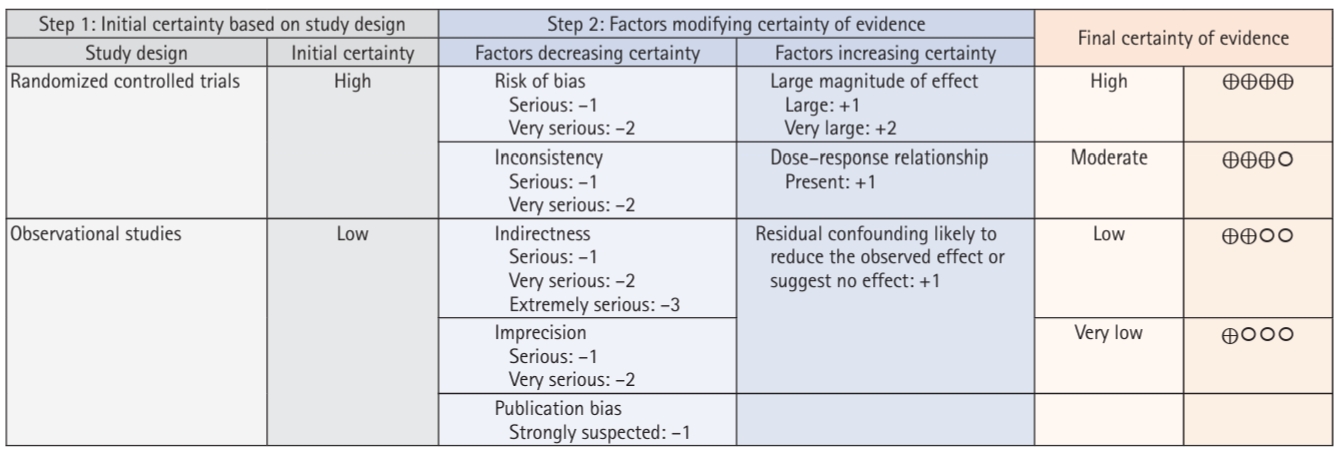
GRADE framework for determining certainty of evidence. GRADE, Grading of Recommendations Assessment, Development and Evaluation.
Fig. 2.
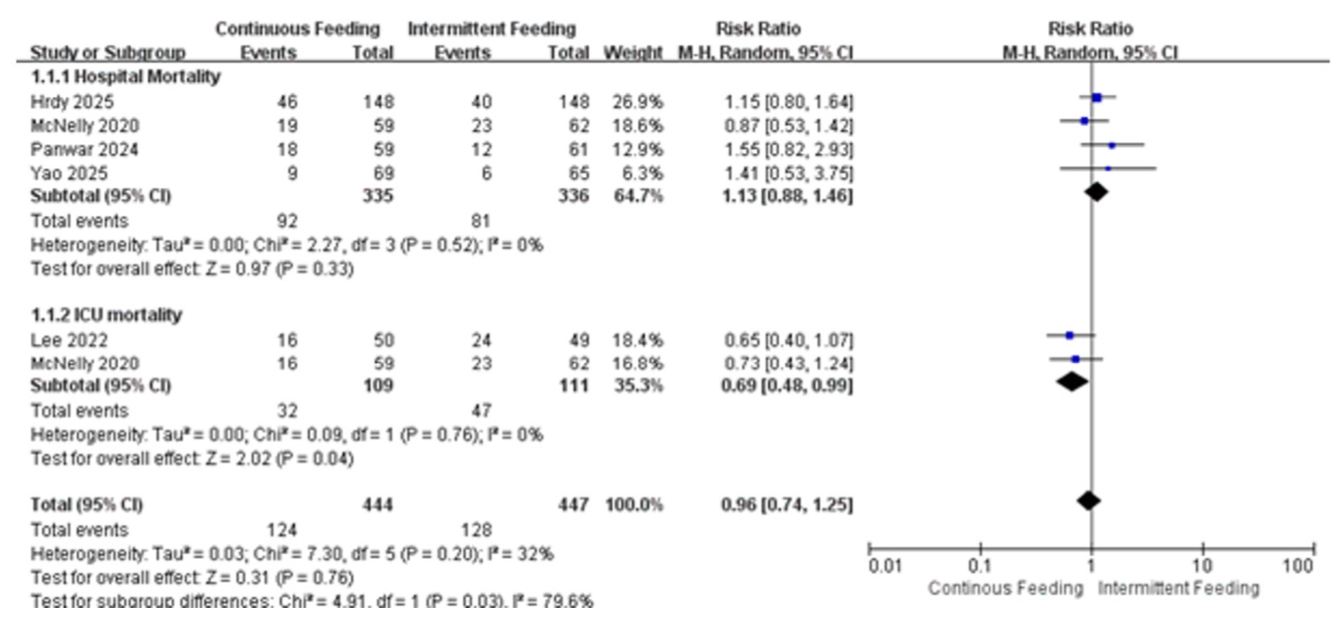
Forest plots of mortality outcomes comparing continuous versus intermittent enteral feeding in critically ill adult patients. M-H, Mantel-Haenszel; CI, confidence interval; ICU, intensive care unit.
Fig. 3.
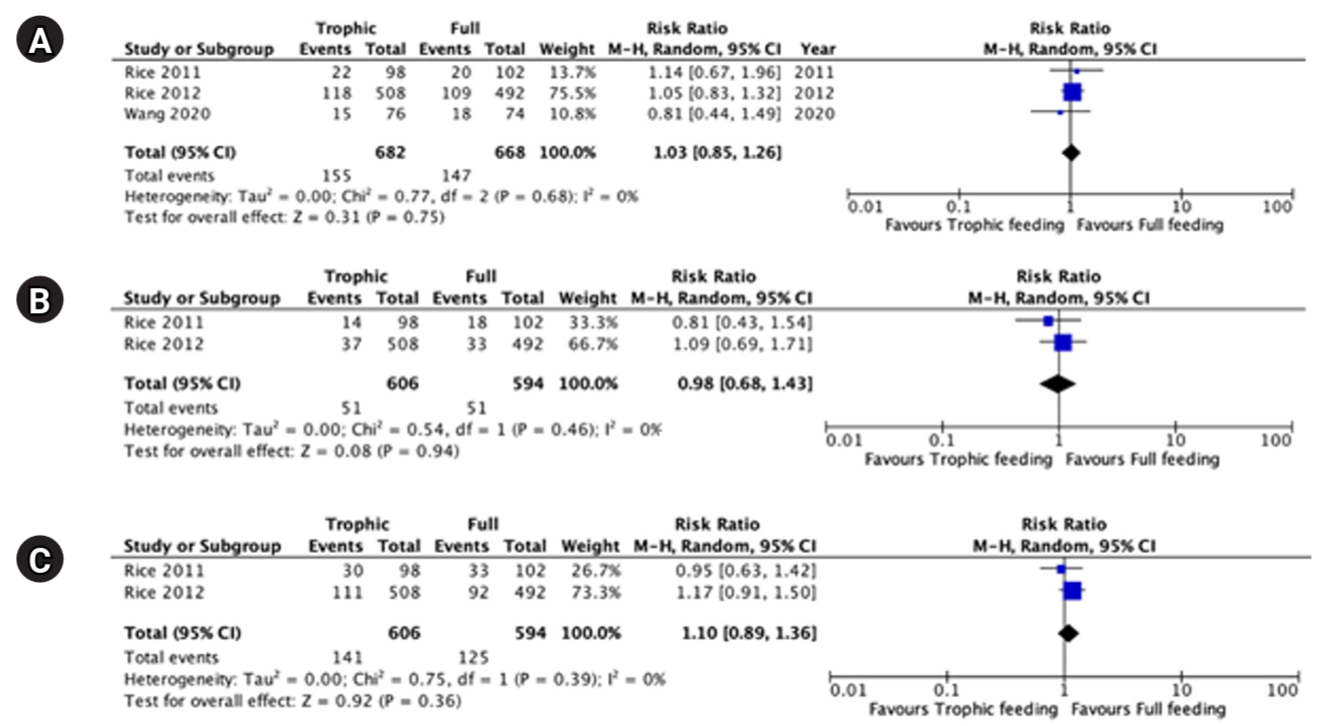
Forest plots of synthesized outcomes comparing trophic versus full feeding in critically ill adult patients: (A) mortality, (B) pneumonia, and (C) any infection. M-H, Mantel-Haenszel; CI, confidence interval.
Fig. 4.
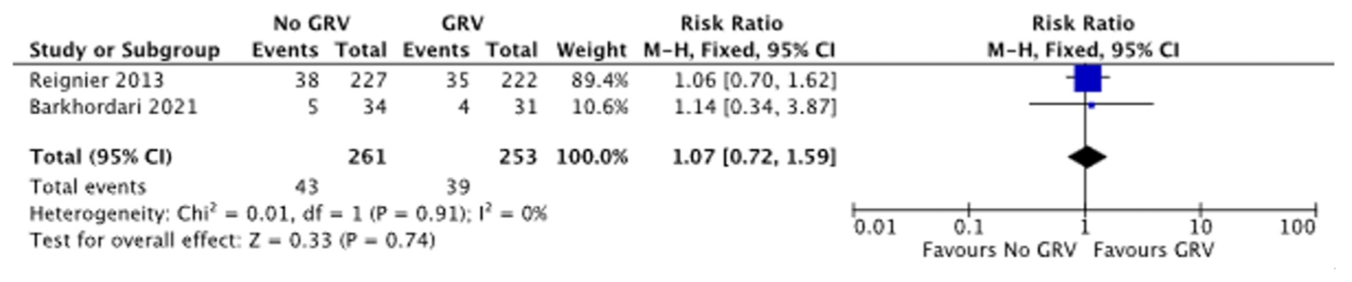
Forest plot comparing the incidence of ventilator-associated pneumonia according to GRV monitoring in critically ill adult patients receiving enteral nutrition. GRV, gastric residual volume; M-H, Mantel-Haenszel; CI, confidence interval.
Fig. 5.
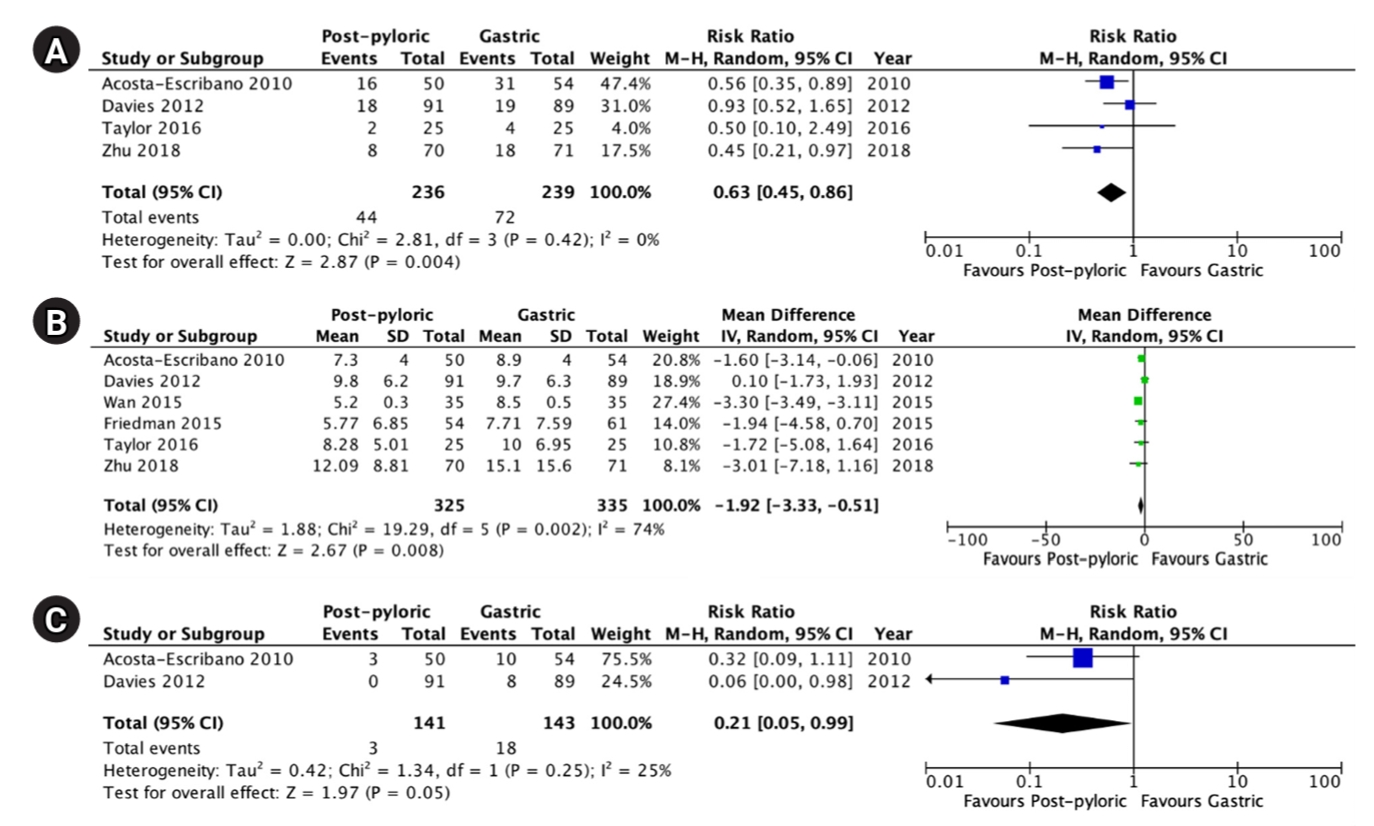
Forest plots comparing post-pyloric versus gastric enteral nutrition in critically ill adult patients: (A) ventilator-associated pneumonia, (B) duration of mechanical ventilation, and (C) feeding intolerance. M-H, Mantel-Haenszel; CI, confidence interval; SD, standard deviation.
Fig. 6.
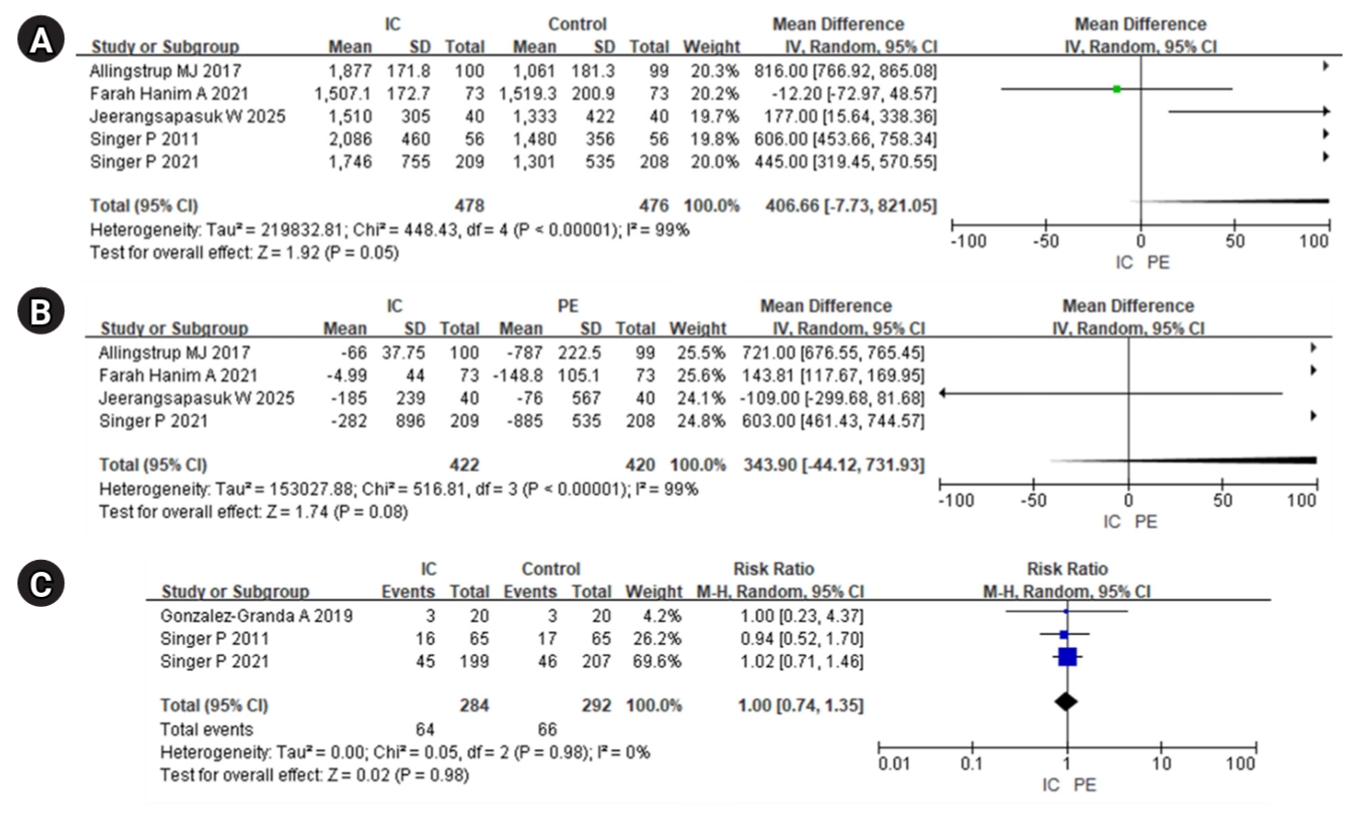
Forest plots comparing IC-guided versus predictive equation-guided energy provision in critically ill adult patients: (A) daily energy delivery, (B) daily energy balance, and (C) intensive care unit mortality. IC, indirect calorimetry; SD, standard deviation; PE, predictive equation; IV, inverse variance; M-H, Mantel-Haenszel; CI, confidence interval.
Fig. 7.
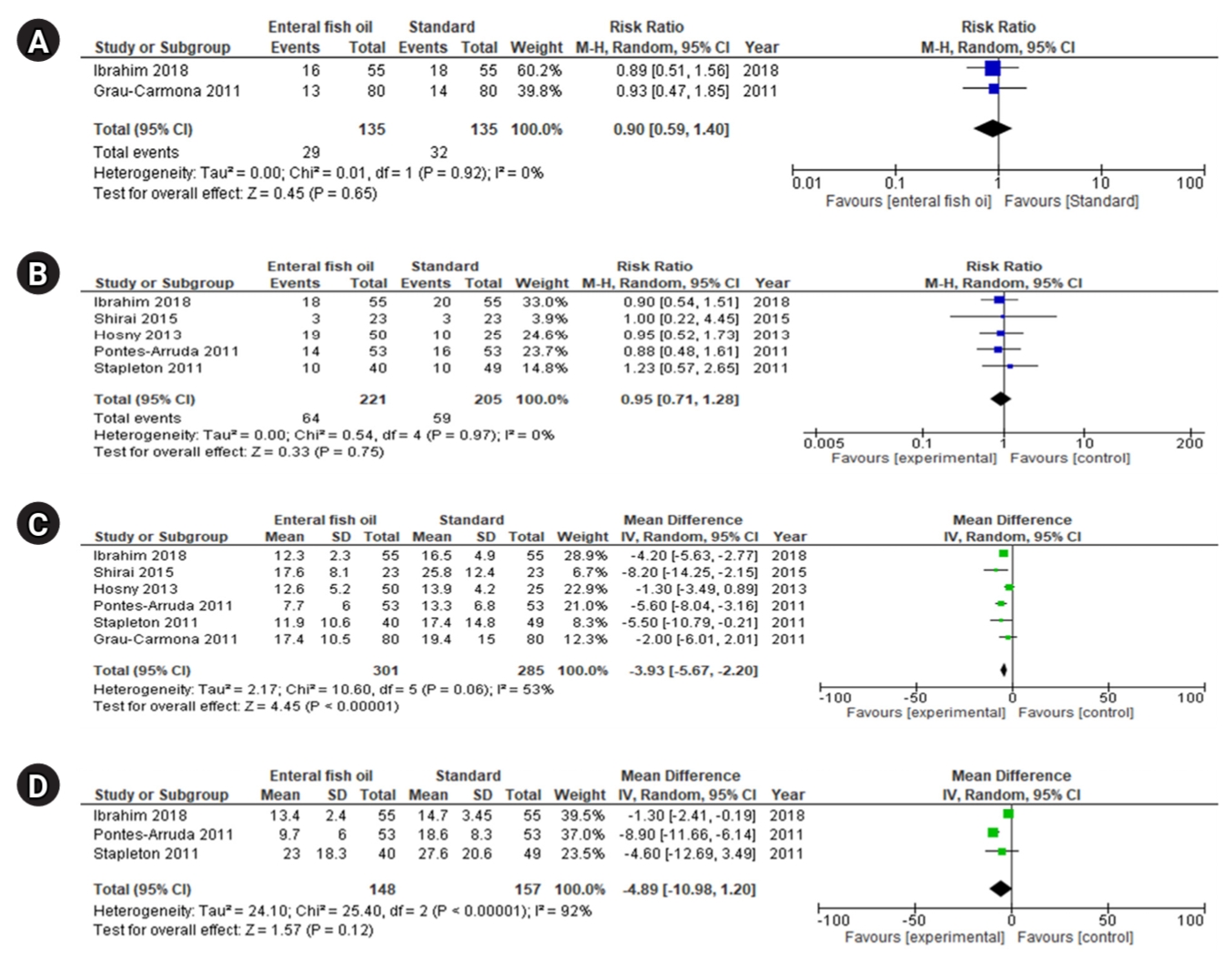
Forest plots showing the effects of enteral fish oil supplementation in critically ill adult patients: (A) intensive care unit mortality, (B) hospital mortality, (C) intensive care unit length of stay, and (D) hospital length of stay. M-H, Mantel-Haenszel; CI, confidence interval; SD, standard deviation; IV, inverse variance.
Fig. 8.
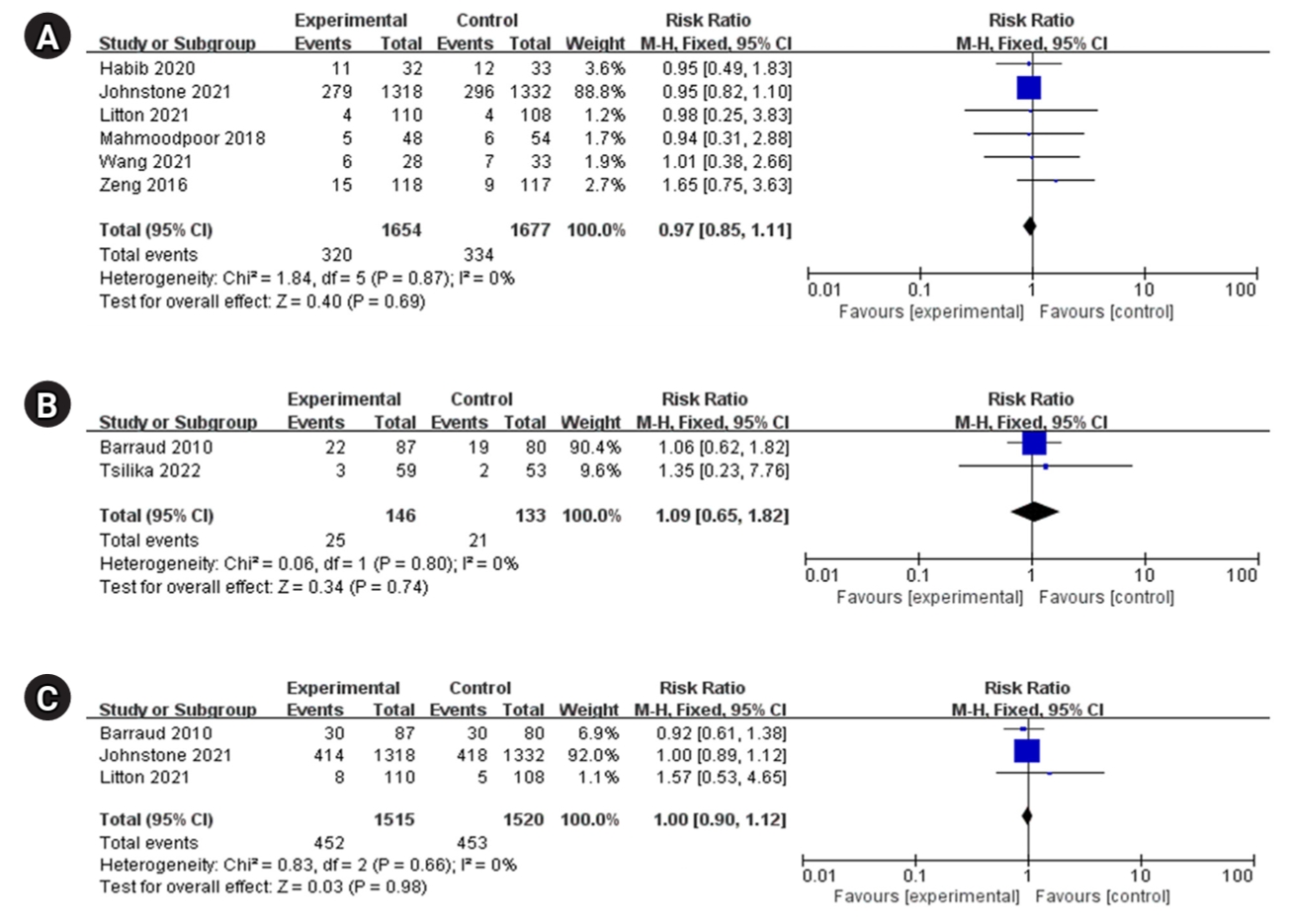
Forest plots summarizing the effects of probiotic supplementation in critically ill adults: (A) intensive care unit mortality, (B) 28-/30-day mortality, and (C) incidence of infection. M-H, Mantel-Haenszel; CI, confidence interval.
Fig. 9.
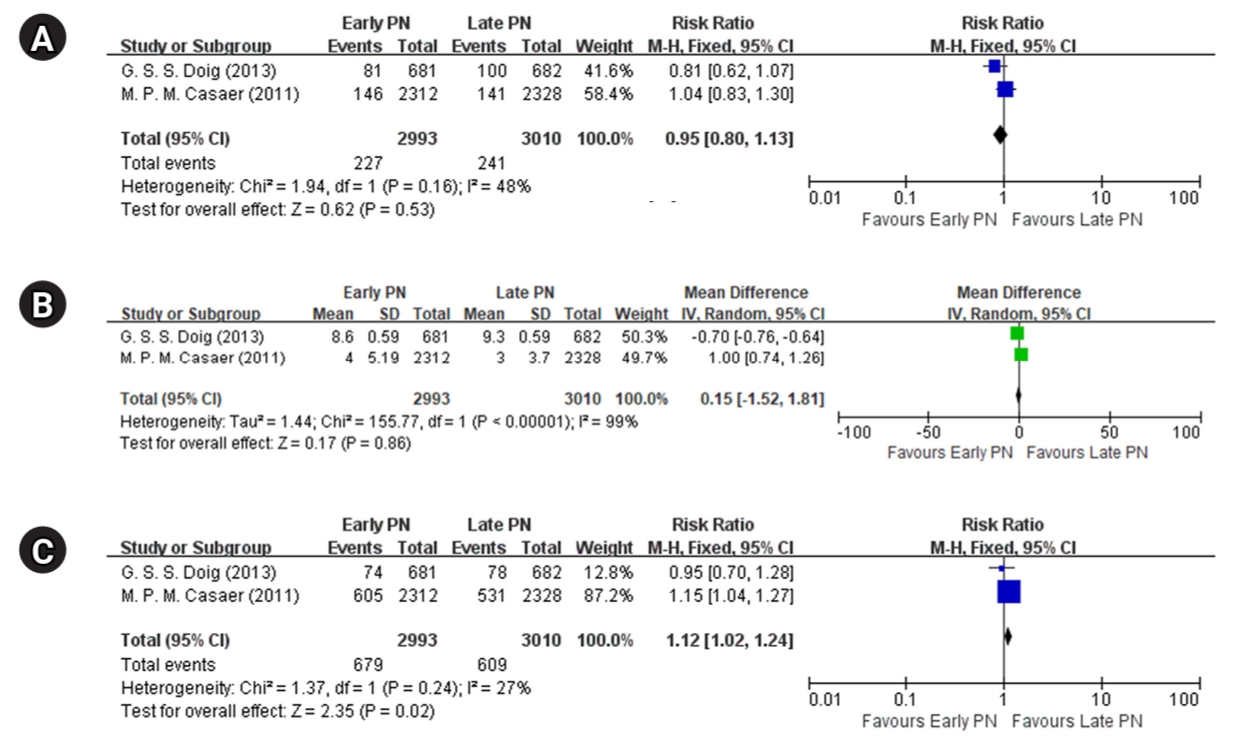
Forest plots comparing early versus delayed PN in critically ill adult patients: (A) intensive care unit mortality, (B) intensive care unit length of stay, and (C) infectious complications. PN, parenteral nutrition; M-H, Mantel-Haenszel; CI, confidence interval; SD, standard deviation; IV, inverse variance.
Fig. 10.
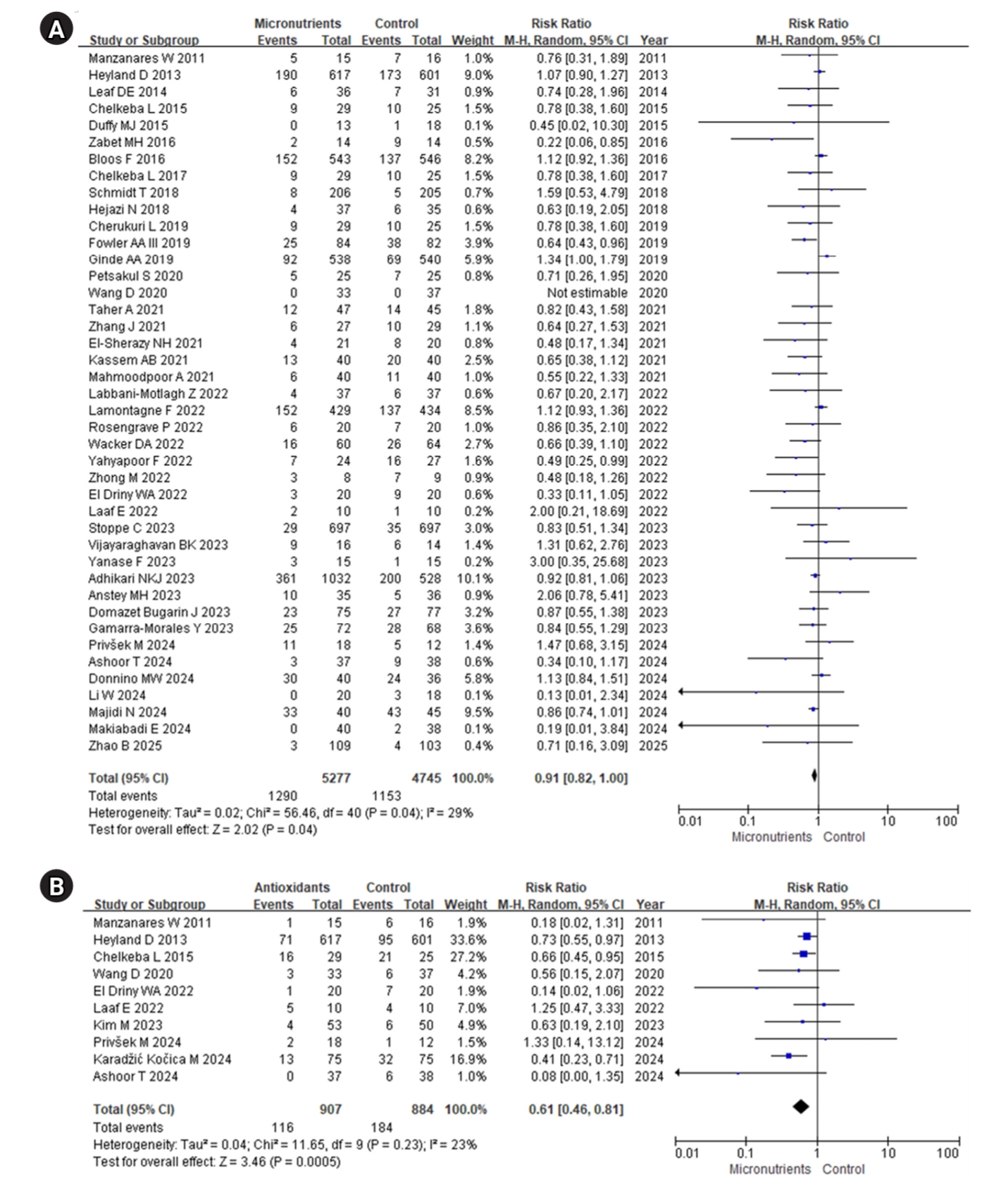
Forest plots showing the effects of micronutrient and antioxidant supplementation in critically ill adults: (A) 28-/30-day mortality and (B) pneumonia. M-H, Mantel-Haenszel; CI, confidence interval.
Fig. 11.
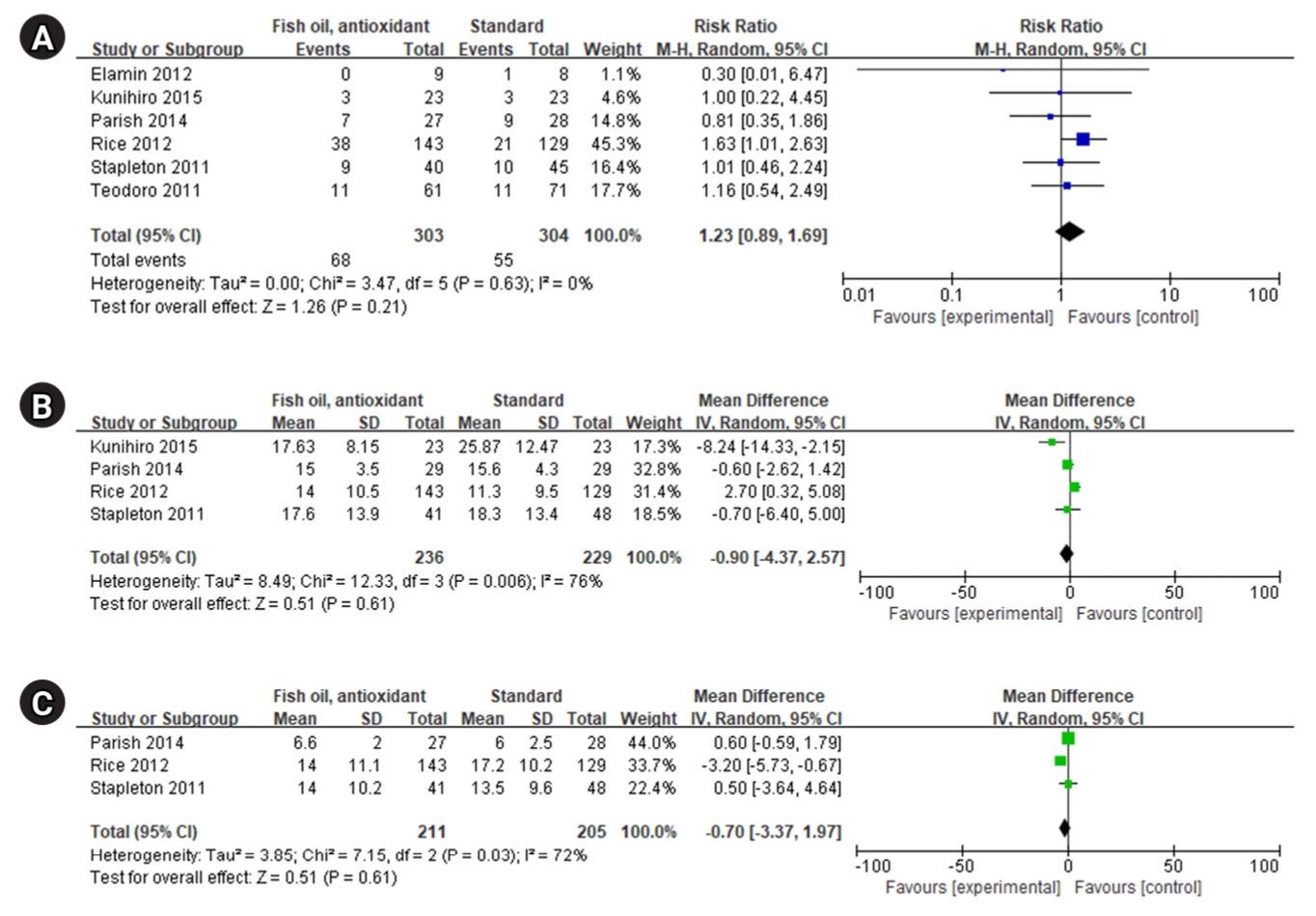
Forest plots showing the effects of anti-inflammatory lipid-containing enteral nutrition formulations in patients with acute respiratory distress syndrome and acute lung injury: (A) 28-/60-day mortality, (B) intensive care unit length of stay, and (C) ventilator-free days. M-H, Mantel-Haenszel; CI, confidence interval; SD, standard deviation; IV, inverse variance.
Fig. 12.

Forest plot comparing mortality between EEN and DEN in patients with traumatic brain injury. EEN, early enteral nutrition; DEN, delayed enteral nutrition; M-H, Mantel-Haenszel; CI, confidence interval.
Table 1.
Definitions of certainty of evidence according to the GRADE approach
Table 2.
GRADE recommendation strength and interpretation
Table 3.
Consensus strength and agreement thresholds
| Consensus strength | Agreement (%) | Recommendation status |
|---|---|---|
| Strong consensus | ≥90 | Accepted |
| Consensus | 75–89 | Accepted |
| Majority consensus | 50–74 | Re-discussion and re-voting required |
| No consensus | <50 | Rejected |
Table 4.
Summary of recommendations
- 1. McClave SA, Taylor BE, Martindale RG, Warren MM, Johnson DR, Braunschweig C, et al. Guidelines for the provision and assessment of nutrition support therapy in the adult critically ill patient: Society of Critical Care Medicine (SCCM) and American Society for Parenteral and Enteral Nutrition (A.S.P.E.N.). JPEN J Parenter Enteral Nutr 2016;40:159-211. ArticlePubMed
- 2. Giner M, Laviano A, Meguid MM, Gleason JR. In 1995 a correlation between malnutrition and poor outcome in critically ill patients still exists. Nutrition 1996;12:23-9. ArticlePubMed
- 3. Ziegler TR. Parenteral nutrition in the critically ill patient. N Engl J Med 2009;361:1088-97. ArticlePubMedPMC
- 4. Compher C, Bingham AL, McCall M, Patel J, Rice TW, Braunschweig C, et al. Guidelines for the provision of nutrition support therapy in the adult critically ill patient: the American Society for Parenteral and Enteral Nutrition. JPEN J Parenter Enteral Nutr 2022;46:12-41. ArticlePDF
- 5. Singer P, Blaser AR, Berger MM, Calder PC, Casaer M, Hiesmayr M, et al. ESPEN practical and partially revised guideline: clinical nutrition in the intensive care unit. Clin Nutr 2023;42:1671-89. Article
- 6. Schneider SM, Veyres P, Pivot X, Soummer AM, Jambou P, Filippi J, et al. Malnutrition is an independent factor associated with nosocomial infections. Br J Nutr 2004;92:105-11. ArticlePubMed
- 7. Doig GS, Simpson F, Finfer S, Delaney A, Davies AR, Mitchell I, et al. Effect of evidence-based feeding guidelines on mortality of critically ill adults: a cluster randomized controlled trial. JAMA 2008;300:2731-41. ArticlePubMed
- 8. Wilmore DW. Catabolic illness: strategies for enhancing recovery. N Engl J Med 1991;325:695-702. ArticlePubMed
- 9. Burnham EL, Moss M, Ziegler TR. Myopathies in critical illness: characterization and nutritional aspects. J Nutr 2005;135:1818S-1823S. ArticlePubMed
- 10. Cree MG, Wolfe RR. Postburn trauma insulin resistance and fat metabolism. Am J Physiol Endocrinol Metab 2008;294:E1-9. ArticlePubMed
- 11. Shaw JH, Wildbore M, Wolfe RR. Whole body protein kinetics in severely septic patients: the response to glucose infusion and total parenteral nutrition. Ann Surg 1987;205:288-94. ArticlePubMedPMC
- 12. Streat SJ, Beddoe AH, Hill GL. Aggressive nutritional support does not prevent protein loss despite fat gain in septic intensive care patients. J Trauma 1987;27:262-6. ArticlePubMed
- 13. O'Brien JM, Phillips GS, Ali NA, Lucarelli M, Marsh CB, Lemeshow S. Body mass index is independently associated with hospital mortality in mechanically ventilated adults with acute lung injury. Crit Care Med 2006;34:738-44. ArticlePubMedPMC
- 14. Quenot JP, Plantefeve G, Baudel JL, Camilatto I, Bertholet E, Cailliod R, et al. Bedside adherence to clinical practice guidelines for enteral nutrition in critically ill patients receiving mechanical ventilation: a prospective, multi-centre, observational study. Crit Care 2010;14:R37.ArticlePubMedPMCPDF
- 15. Parent B, Shelton M, Nordlund M, Aarabi S, O'Keefe G. Parenteral nutrition utilization after implementation of multidisciplinary nutrition support team oversight: a prospective cohort study. JPEN J Parenter Enteral Nutr 2016;40:1151-7. ArticlePubMed
- 16. Seol EM, Suh YS, Ju DL, Bae HJ, Kim E, Lee HJ. Nutrition support team reconsultation during nutrition therapy in Korea. JPEN J Parenter Enteral Nutr 2021;45:357-65. ArticlePubMedPDF
- 17. Braun K, Utech A, Velez ME, Walker R. Parenteral nutrition electrolyte abnormalities and associated factors before and after nutrition support team initiation. JPEN J Parenter Enteral Nutr 2018;42:387-92. ArticlePDF
- 18. Lee SH, Lee JG, Kwon MK, Kim J, Kim M, Park J, et al. Nutritional support for critically ill patients by the Korean Society for Parenteral and Enteral Nutrition—part I: a clinical practice guideline. Ann Clin Nutr Metab 2024;16:89-111. Article
- 19. Kim SY, Choi M, Kim H, Lee YK, Park DA, Yu SY, et al. Handbook for clinical practice guideline developer version 2.0. NECA & KAMS; 2022.
- 20. Singer P, Blaser AR, Berger MM, Alhazzani W, Calder PC, Casaer MP, et al. ESPEN guideline on clinical nutrition in the intensive care unit. Clin Nutr 2019;38:48-79. ArticlePubMed
- 21. Puthucheary ZA, Rawal J, McPhail M, Connolly B, Ratnayake G, Chan P, et al. Acute skeletal muscle wasting in critical illness. JAMA 2013;310:1591-600. ArticlePubMed
- 22. Fazzini B, Markl T, Costas C, Blobner M, Schaller SJ, Prowle J, et al. The rate and assessment of muscle wasting during critical illness: a systematic review and meta-analysis. Crit Care 2023;27:2.ArticlePubMedPMCPDF
- 23. Heyland DK, Dhaliwal R, Jiang X, Day AG. Identifying critically ill patients who benefit the most from nutrition therapy: the development and initial validation of a novel risk assessment tool. Crit Care 2011;15:R268.ArticlePubMedPMCPDF
- 24. Chong SH, Huang Y, Heng MS, Chong EST, Lim CD, Wong KW, et al. Association between energy delivery and outcomes in adult critically ill patients diagnosed with or at risk of malnutrition: a systematic review and meta-analysis with trial sequential analysis. Nutr Rev 2025;83:1425-37. ArticlePubMedPDF
- 25. Hejazi N, Mazloom Z, Zand F, Rezaianzadeh A, Amini A. Nutritional assessment in critically ill patients. Iran J Med Sci 2016;41:171-9. PubMedPMC
- 26. Mohialdeen Gubari MI, Hosseinzadeh-Attar MJ, Hosseini M, Mohialdeen FA, Othman H, Hama-Ghareeb KA, et al. Nutritional status in intensive care unit: a meta-analysis and systematic review. Galen Med J 2020;9:e1678. ArticlePMCPDF
- 27. Rattanachaiwong S, Zribi B, Kagan I, Theilla M, Heching M, Singer P. Comparison of nutritional screening and diagnostic tools in diagnosis of severe malnutrition in critically ill patients. Clin Nutr 2020;39:3419-25. ArticlePubMed
- 28. Diaz Chavarro BC, Romero-Saldana M, Assis Reveiz JK, Molina-Recio G. Impact of nutritional screening on mortality and intensive care unit length of stay. Front Nutr 2025;12:1474039.ArticlePubMedPMC
- 29. de Vries MC, Koekkoek WK, Opdam MH, van Blokland D, van Zanten AR. Nutritional assessment of critically ill patients: validation of the modified NUTRIC score. Eur J Clin Nutr 2018;72:428-35. ArticlePubMedPDF
- 30. Reis AM, Fructhenicht AV, Moreira LF. NUTRIC score use around the world: a systematic review. Rev Bras Ter Intensiva 2019;31:379-85. ArticlePubMedPMC
- 31. Wang N, Wang MP, Jiang L, Du B, Zhu B, Xi XM. Association between the modified Nutrition Risk in Critically Ill (mNUTRIC) score and clinical outcomes in the intensive care unit: a secondary analysis of a large prospective observational study. BMC Anesthesiol 2021;21:220.ArticlePubMedPMCPDF
- 32. Yildirim M, Halacli B, Kaya EK, Ulusoydan E, Ortac Ersoy E, Topeli A. Prognostic accuracy of nutritional assessment tools in critically-ill COVID-19 patients. J Clin Med 2025;14:3382.ArticlePubMedPMC
- 33. Xie M, Huang L, Li L, Qin Y, Feng B, Cai Q, et al. Association between NUTRIC score and ICU mortality in patients with sepsis: a prospective cohort study. Front Nutr 2025;12:1654901.ArticlePubMedPMC
- 34. Ji M, Zhu L, Chen M, Wang Y, Qiu W, Zhang N. Predictive value of mNUTRIC score for chronic critical illness in patients of sepsis complicated with ARDS. Technol Health Care 2025;33:831-7. ArticlePubMedPDF
- 35. Ibrahim DA, Elkabarity RH, Moustafa ME, El-Gendy HA. Modified NUTRIC score and outcomes in critically ill patients: a meta-analysis. Egypt J Anaesth 2020;36:288-96. Article
- 36. Lee H, Shim H, Jang JY, Jung AR, Kim SH, Kim H, et al. Development of a new nutrition screening tool for use in an acute care hospital. J Korean Soc Parenter Enter Nutr 2013;5:82-8. Article
- 37. Kim JY, Wie GA, Cho YA, Kim SY, Kim SM, Son KH, et al. Development and validation of a nutrition screening tool for hospitalized cancer patients. Clin Nutr 2011;30:724-9. ArticlePubMed
- 38. Heo GJ, Kim HJ, Hong JI. Comparison of nursing records and the catholic medical center nutritional risk screening as a nutrition screening tool for intensive care unit patients. Clin Nutr Res 2015;4:56-62. ArticlePDF
- 39. Domenech-Briz V, Gea-Caballero V, Czapla M, Chover-Sierra E, Juarez-Vela R, Santolalla Arnedo I, et al. Importance of nutritional assessment tools in the critically ill patient: a systematic review. Front Nutr 2023;9:1073782.ArticlePubMedPMC
- 40. Panchal M, Saseedharan S, Navade J, Gada M. Comparison of mNUTRIC score, NRS-2002 score, and SGA score with the gold standard GLIM criteria in the diagnosis of malnutrition. Nutr Health 2025;31:1819-24. ArticlePDF
- 41. Diaz G, T D Correia MI, Gonzalez MC, Reyes M. The Global Leadership Initiative on Malnutrition criteria for the diagnosis of malnutrition in patients admitted to the intensive care unit: a systematic review and meta-analysis. Clin Nutr 2023;42:182-9. ArticlePubMed
- 42. Kim HJ, Shim JC, Oh JH, Choi SB, Lee HP, Chang Y. A novel nutritional assessment tool combining the mNUTRIC score and the GLIM criteria with prognostic value for in-hospital mortality in critically ill patients: a single-center retrospective cohort study. Am J Clin Nutr 2025;122:306-14. ArticlePubMed
- 43. Abate SM, Abafita BJ, Barega MT, Estifanos MB, Nega S, Mantefardo B, et al. Nutritional status as a predictor of 30-day mortality among intensive care unit patients in sub-Saharan Africa: a prospective cohort study. BMC Nutr 2024;10:154.ArticlePubMedPMCPDF
- 44. Ferrie S, Weiss NB, Chau HY, Torkel S, Stepniewski ME. Association of Subjective Global Assessment with outcomes in the intensive care unit: a retrospective cohort study. Nutr Diet 2022;79:572-81. ArticlePubMedPMCPDF
- 45. Reintam Blaser A, Starkopf J, Alhazzani W, Berger MM, Casaer MP, Deane AM, et al. Early enteral nutrition in critically ill patients: ESICM clinical practice guidelines. Intensive Care Med 2017;43:380-98. ArticlePubMedPMCPDF
- 46. Kreymann KG, Berger MM, Deutz NE, Hiesmayr M, Jolliet P, Kazandjiev G, et al. ESPEN guidelines on enteral nutrition: intensive care. Clin Nutr 2006;25:210-23. ArticlePubMed
- 47. Singer P, Berger MM, Van den Berghe G, Biolo G, Calder P, Forbes A, et al. ESPEN guidelines on parenteral nutrition: intensive care. Clin Nutr 2009;28:387-400. ArticlePubMed
- 48. Moon SJ, Ko RE, Park CM, Suh GY, Hwang J, Chung CR. The effectiveness of early enteral nutrition on clinical outcomes in critically ill sepsis patients: a systematic review. Nutrients 2023;15:3201.ArticlePubMed
- 49. Talebi S, Zeraattalab-Motlagh S, Vajdi M, Nielsen SM, Talebi A, Ghavami A, et al. Early vs delayed enteral nutrition or parenteral nutrition in hospitalized patients: an umbrella review of systematic reviews and meta-analyses of randomized trials. Nutr Clin Pract 2023;38:564-79. ArticlePubMedPDF
- 50. Casaer MP, Mesotten D, Hermans G, Wouters PJ, Schetz M, Meyfroidt G, et al. Early versus late parenteral nutrition in critically ill adults. N Engl J Med 2011;365:506-17. Article
- 51. Yu A, Xie Y, Zhong M, Wang F, Huang H, Nie L, et al. Comparison of the initiation time of enteral nutrition for critically ill patients: at admission vs. 24 to 48 hours after admission. Emerg Med Int 2021;2021:3047732.ArticlePubMedPMCPDF
- 52. Yoshida M, Kanda N, Kashiwagi S, Wakimoto Y, Ohbe H, Nakamura K. Relationship between very early enteral nutrition and persistent inflammation, immunosuppression, and catabolism syndrome in cardiovascular surgery patients: a propensity score-matched study. Am J Clin Nutr 2024;120:610-8. ArticlePubMed
- 53. Vega O, Ridley-Smith S, Huang H, Hali D, Meakes S, Bendinelli C, et al. Timely enteral nutrition of ventilated polytrauma patients: current standards and room for improvements. Eur J Trauma Emerg Surg 2025;51:169.ArticlePubMedPMCPDF
- 54. Wischmeyer PE. Enteral nutrition can be given to patients on vasopressors. Crit Care Med 2020;48:122-5. ArticlePubMedPMC
- 55. Khalid I, Doshi P, DiGiovine B. Early enteral nutrition and outcomes of critically ill patients treated with vasopressors and mechanical ventilation. Am J Crit Care 2010;19:261-8. ArticlePubMed
- 56. Mancl EE, Muzevich KM. Tolerability and safety of enteral nutrition in critically ill patients receiving intravenous vasopressor therapy. JPEN J Parenter Enteral Nutr 2013;37:641-51. ArticlePubMedPDF
- 57. Patel JJ, Kozeniecki M, Biesboer A, Peppard W, Ray AS, Thomas S, et al. Early trophic enteral nutrition is associated with improved outcomes in mechanically ventilated patients with septic shock: a retrospective review. J Intensive Care Med 2016;31:471-7. ArticlePubMedPDF
- 58. Merchan C, Altshuler D, Aberle C, Papadopoulos J, Schwartz D. Tolerability of enteral nutrition in mechanically ventilated patients with septic shock who require vasopressors. J Intensive Care Med 2017;32:540-6. ArticlePubMedPDF
- 59. Ortiz-Reyes L, Patel JJ, Jiang X, Coz Yataco A, Day AG, Shah F, et al. Early versus delayed enteral nutrition in mechanically ventilated patients with circulatory shock: a nested cohort analysis of an international multicenter, pragmatic clinical trial. Crit Care 2022;26:173.ArticlePubMedPMCPDF
- 60. Jiang W, Weibang Pan, Cai T, Lee Z, Lv G, Bai Y, et al. Association between early enteral nutrition and clinical outcomes among critically ill patients with circulatory shock: a secondary analysis of a large-scale randomized controlled trial. Clin Nutr 2025;46:147-54. ArticlePubMed
- 61. Wang L, Zhong X, Yang H, Yang J, Zhang Y, Zou X, et al. When can we start early enteral nutrition safely in patients with shock on vasopressors? Clin Nutr ESPEN 2024;61:28-36. ArticlePubMed
- 62. Blaser AR, Starkopf J, Kirsimagi U, Deane AM. Definition, prevalence, and outcome of feeding intolerance in intensive care: a systematic review and meta-analysis. Acta Anaesthesiol Scand 2014;58:914-22. ArticlePubMed
- 63. Reintam Blaser A, Deane AM, Preiser JC, Arabi YM, Jakob SM. Enteral feeding intolerance: updates in definitions and pathophysiology. Nutr Clin Pract 2021;36:40-9. ArticlePubMedPDF
- 64. Park HJ, Ahn YH, Lee HY, Lee SM, Lee J. The impact of enteral feeding intolerance on the prognosis of patients with septic shock in South Korea. Acute Crit Care 2025;40:304-12. ArticlePubMedPMCPDF
- 65. Reignier J, Mercier E, Le Gouge A, Boulain T, Desachy A, Bellec F, et al. Effect of not monitoring residual gastric volume on risk of ventilator-associated pneumonia in adults receiving mechanical ventilation and early enteral feeding: a randomized controlled trial. JAMA 2013;309:249-56. ArticlePubMed
- 66. Wang Z, Ding W, Fang Q, Zhang L, Liu X, Tang Z. Effects of not monitoring gastric residual volume in intensive care patients: a meta-analysis. Int J Nurs Stud 2019;91:86-93. ArticlePubMed
- 67. Feng L, Chen J, Xu Q. Is monitoring of gastric residual volume for critically ill patients with enteral nutrition necessary? A meta-analysis and systematic review. Int J Nurs Pract 2023;29:e13124. ArticlePubMedPDF
- 68. Lindner M, Padar M, Mandul M, Christopher KB, Reintam Blaser A, Gratz HC, et al. Current practice of gastric residual volume measurements and related outcomes of critically ill patients: a secondary analysis of the intestinal-specific organ function assessment study. JPEN J Parenter Enteral Nutr 2023;47:614-23. ArticlePubMed
- 69. Preiser JC, Arabi YM, Berger MM, Casaer M, McClave S, Montejo-Gonzalez JC, et al. A guide to enteral nutrition in intensive care units: 10 expert tips for the daily practice. Crit Care 2021;25:424.ArticlePubMedPMCPDF
- 70. Banaei L, Miranzadeh S, Yadollahi S, Banikazemi Z, Shojaei JA, Maghami M, et al. Effects of continuous versus bolus enteral feeding in trauma patients: a randomized clinical trial. Arch Trauma Res 2022;11:205-10.
- 71. Kadamani I, Itani M, Zahran E, Taha N. Incidence of aspiration and gastrointestinal complications in critically ill patients using continuous versus bolus infusion of enteral nutrition: a pseudo-randomised controlled trial. Aust Crit Care 2014;27:188-93. ArticlePubMed
- 72. Panwar R, Poulter AL, Nourse M, Rai S, van Haren FM, Ellem K, et al. A multicenter randomized controlled trial comparing three-times-a-day intermittent enteral postural feeding to continuous enteral feeding among mechanically ventilated patients in intensive care. Clin Nutr 2024;43:2149-55. ArticlePubMed
- 73. Yao B, Liu JY, Liu Y, Song XX, Wang SB, Liu N, et al. Sequential versus continuous feeding and its effect on the gut microbiota in critically ill patients: a randomized controlled trial. Clin Nutr ESPEN 2025;66:245-54. ArticlePubMed
- 74. Lee HY, Lee JK, Kim HJ, Ju DL, Lee SM, Lee J. Continuous versus intermittent enteral tube feeding for critically ill patients: a prospective, randomized controlled trial. Nutrients 2022;14:664.ArticlePubMedPMC
- 75. Hrdy O, Vrbica K, Duba J, Slezak M, Strazevska E, Agalarev V, et al. Intermittent enteral nutrition shortens the time to achieve nutritional goals in critically ill patients. Sci Rep 2025;15:2242.ArticlePubMedPMCPDF
- 76. McNelly AS, Bear DE, Connolly BA, Arbane G, Allum L, Tarbhai A, et al. Effect of intermittent or continuous feed on muscle wasting in critical illness: a phase 2 clinical trial. Chest 2020;158:183-94. ArticlePubMed
- 77. Qu J, Xu X, Xu C, Ding X, Zhang K, Hu L. The effect of intermittent versus continuous enteral feeding for critically ill patients: a meta-analysis of randomized controlled trials. Front Nutr 2023;10:1214774.ArticlePubMedPMC
- 78. Wu JY, Liu MY, Liu TH, Kuo CY, Hung KC, Tsai YW, et al. Clinical efficacy of enteral nutrition feeding modalities in critically ill patients: a systematic review and meta-analysis of randomized controlled trials. Eur J Clin Nutr 2023;77:1026-33. ArticlePubMedPDF
- 79. Aguilera-Martinez R, Ramis-Ortega E, Carratala-Munuera C, Fernandez-Medina JM, Saiz-Vinuesa MD, Barrado-Narvion MJ. Effectiveness of continuous enteral nutrition versus intermittent enteral nutrition in intensive care patients: a systematic review. JBI Evid Synth 2014;12:281-317. Article
- 80. Ma Y, Cheng J, Liu L, Chen K, Fang Y, Wang G, et al. Intermittent versus continuous enteral nutrition on feeding intolerance in critically ill adults: a meta-analysis of randomized controlled trials. Int J Nurs Stud 2021;113:103783.ArticlePubMed
- 81. Heyland DK, Lee ZY, Lew CCH, Patel J, Stoppe C, Dresen E, et al. Intentional underfeeding: trophic feeds vs. full feeds [Internet]. Critical Care Nutrition; 2021. [cited 2026 May 1]. Available from: https://criticalcarenutrition.com/ccn-systematic-review
- 82. Rice TW, Mogan S, Hays MA, Bernard GR, Jensen GL, Wheeler AP. Randomized trial of initial trophic versus full-energy enteral nutrition in mechanically ventilated patients with acute respiratory failure. Crit Care Med 2011;39:967-74. ArticlePubMedPMC
- 83. National Heart, Lung, and Blood Institute Acute Respiratory Distress Syndrome (ARDS) Clinical Trials Network, Rice TW, Wheeler AP, Thompson BT, Steingrub J, Hite RD, et al. Initial trophic vs full enteral feeding in patients with acute lung injury: the EDEN randomized trial. JAMA 2012;307:795-803. ArticlePubMedPMC
- 84. Wang CY, Fu PK, Chao WC, Wang WN, Chen CH, Huang YC. Full versus trophic feeds in critically ill adults with high and low nutritional risk scores: a randomized controlled trial. Nutrients 2020;12:3518.ArticlePubMedPMC
- 85. Barkhordari M, Jahani S, Soltani F, Molavynejad S, Maraghi E. Effect of tubular feeding with the measurement of gastric residual volume on ventilator associated pneumonia. Tanaffos 2021;20:319-26. PubMedPMC
- 86. Chen S, Xian W, Cheng S, Zhou C, Zhou H, Feng J, et al. Risk of regurgitation and aspiration in patients infused with different volumes of enteral nutrition. Asia Pac J Clin Nutr 2015;24:212-8. ArticlePubMed
- 87. Sun W, Xie L, Chen L, Xiao M, Zhao Q, Zeng J, et al. Development and validation of two aspiration prediction models in patients receiving nasogastric feeding. J Nurs Manag 2020;28:1372-80. ArticlePubMedPDF
- 88. Bourgault A, Logvinov I, Liu C, Xie R, Powers J, Sole ML. Use of machine learning models to predict microaspiration measured by tracheal pepsin A. Am J Crit Care 2025;34:67-71. ArticlePubMedPMCPDF
- 89. Acosta-Escribano J, Fernandez-Vivas M, Grau Carmona T, Caturla-Such J, Garcia-Martinez M, Menendez-Mainer A, et al. Gastric versus transpyloric feeding in severe traumatic brain injury: a prospective, randomized trial. Intensive Care Med 2010;36:1532-9. ArticlePubMedPDF
- 90. Davies AR, Morrison SS, Bailey MJ, Bellomo R, Cooper DJ, Doig GS, et al. A multicenter, randomized controlled trial comparing early nasojejunal with nasogastric nutrition in critical illness. Crit Care Med 2012;40:2342-8. ArticlePubMed
- 91. Huang HH, Chang SJ, Hsu CW, Chang TM, Kang SP, Liu MY. Severity of illness influences the efficacy of enteral feeding route on clinical outcomes in patients with critical illness. J Acad Nutr Diet 2012;112:1138-46. ArticlePubMed
- 92. Friedman G, Flavia Couto CL, Becker M. Randomized study to compare nasojejunal with nasogastric nutrition in critically ill patients without prior evidence of altered gastric emptying. Indian J Crit Care Med 2015;19:71-5. ArticlePubMedPMC
- 93. Wan B, Fu H, Yin J. Early jejunal feeding by bedside placement of a nasointestinal tube significantly improves nutritional status and reduces complications in critically ill patients versus enteral nutrition by a nasogastric tube. Asia Pac J Clin Nutr 2015;24:51-7. ArticlePubMed
- 94. Taylor SJ, Allan K, McWilliam H, Manara A, Brown J, Greenwood R, et al. A randomised controlled feasibility and proof-of-concept trial in delayed gastric emptying when metoclopramide fails: we should revisit nasointestinal feeding versus dual prokinetic treatment: achieving goal nutrition in critical illness and delayed gastric emptying: trial of nasointestinal feeding versus nasogastric feeding plus prokinetics. Clin Nutr ESPEN 2016;14:1-8. ArticlePubMed
- 95. Zhu Y, Yin H, Zhang R, Ye X, Wei J. Gastric versus postpyloric enteral nutrition in elderly patients (age >= 75 years) on mechanical ventilation: a single-center randomized trial. Crit Care 2018;22:170.ArticlePubMedPMC
- 96. O'Keefe SJ, Graham T, Cote GA, Whitcomb DC, Evans A, Soni D. Early enteral feeding in severe acute pancreatitis: a randomized clinical trial between gastric vs distal jejunal feeding. Tech Innov Gastrointest Endosc 2023;25:337-46. Article
- 97. Heyland DK, van Zanten AR, Grau-Carmona T, Evans D, Beishuizen A, Schouten J, et al. A multicenter, randomized, double-blind study of ulimorelin and metoclopramide in the treatment of critically ill patients with enteral feeding intolerance: PROMOTE trial. Intensive Care Med 2019;45:647-56. ArticlePubMedPDF
- 98. Elmokadem EM, El Borolossy RM, Bassiouny AM, Hanna MG, Darweesh EA, Sabri NA. The efficacy and safety of itopride in feeding intolerance of critically ill patients receiving enteral nutrition: a randomized, double-blind study. BMC Gastroenterol 2021;21:126.ArticlePubMedPMCPDF
- 99. Rahat-Dahmardeh A, Saneie-Moghadam S, Khosh-Fetrat M. Comparing the effect of neostigmine and metoclopramide on gastric residual volume of mechanically ventilated patients in intensive care unit: a double-blind randomized clinical trial. Biomed Res Int 2021;2021:5550653.ArticlePMCPDF
- 100. Lewis K, Alqahtani Z, Mcintyre L, Almenawer S, Alshamsi F, Rhodes A, et al. The efficacy and safety of prokinetic agents in critically ill patients receiving enteral nutrition: a systematic review and meta-analysis of randomized trials. Crit Care 2016;20:259.ArticlePubMedPMC
- 101. Nassaji M, Ghorbani R, Frozeshfard M, Mesbahian F. Effect of metoclopramide on nosocomial pneumonia in patients with nasogastric feeding in the intensive care unit. East Mediterr Health J 2010;16:371-4. ArticlePubMed
- 102. Pozuelo-Carrascosa DP, Cobo-Cuenca AI, Carmona-Torres JM, Laredo-Aguilera JA, Santacruz-Salas E, Fernandez-Rodriguez R. Body position for preventing ventilator-associated pneumonia for critically ill patients: a systematic review and network meta-analysis. J Intensive Care 2022;10:9.ArticlePubMedPMCPDF
- 103. Lian C, Zhang J, Wang P, Mao W. Impact of head-of-bed elevation angle on the development of pressure ulcers and pneumonia in patients on mechanical ventilation: a systematic review and meta-analysis. BMC Pulm Med 2024;24:462.ArticlePubMedPMCPDF
- 104. Zhao T, Wu X, Zhang Q, Li C, Worthington HV, Hua F. Oral hygiene care for critically ill patients to prevent ventilator-associated pneumonia. Cochrane Database Syst Rev 2020;12:CD008367.ArticlePubMedPMC
- 105. Watanabe S, Izumino H, Takatani Y, Tsutsumi R, Suzuki T, Tatsumi H, et al. Effects of energy delivery guided by indirect calorimetry in critically ill patients: a systematic review and meta-analysis. Nutrients 2024;16:1452.ArticlePubMedPMC
- 106. Jeerangsapasuk W, Hongmeng W, Traitanon O, Chatkrailert A. Indirect calorimetry and nitrogen balance guided nutrition therapy in ICU patients with acute kidney injury. Sci Rep 2025;15:12558.ArticlePubMedPMCPDF
- 107. Elizabeth NS, Yanni T, May LS, Fen TH, Janice LX, Peijun K, et al. Indirect calorimetry directed feeding and cycling in the older ICU population: a pilot randomised controlled trial. BMC Anesthesiol 2024;24:171.ArticlePubMedPMCPDF
- 108. Singer P, De Waele E, Sanchez C, Ruiz Santana S, Montejo JC, Laterre PF, et al. TICACOS international: a multi-center, randomized, prospective controlled study comparing tight calorie control versus liberal calorie administration study. Clin Nutr 2021;40:380-7. Article
- 109. Farah Hanim A, Saw Kian C, Nadia MN, Rufinah T, Wan Rahiza WM. A comparison between continuous indirect calorimetry and single weight-based formula in estimating resting energy expenditure in nutritional therapy: a prospective randomized controlled study in critically ill patients. Med Health 2021;16:207-15. Article
- 110. Gonzalez-Granda A, Schollenberger A, Haap M, Riessen R, Bischoff SC. Optimization of nutrition therapy with the use of calorimetry to determine and control energy needs in mechanically ventilated critically ill patients: the ONCA study, a randomized, prospective pilot study. JPEN J Parenter Enteral Nutr 2019;43:481-9. ArticlePDF
- 111. Allingstrup MJ, Kondrup J, Wiis J, Claudius C, Pedersen UG, Hein-Rasmussen R, et al. Early goal-directed nutrition versus standard of care in adult intensive care patients: the single-centre, randomised, outcome assessor-blinded EAT-ICU trial. Intensive Care Med 2017;43:1637-47. ArticlePubMedPDF
- 112. Landes S, McClave SA, Frazier TH, Lowen CC, Hurt RT. Indirect calorimetry: is it required to maximize patient outcome from nutrition therapy? Curr Nutrit Rep 2016;5:233-9. ArticlePDF
- 113. Singer P, Anbar R, Cohen J, Shapiro H, Shalita-Chesner M, Lev S, et al. The tight calorie control study (TICACOS): a prospective, randomized, controlled pilot study of nutritional support in critically ill patients. Intensive Care Med 2011;37:601-9. ArticlePubMedPDF
- 114. Tah PC, Lee ZY, Poh BK, Abdul Majid H, Hakumat-Rai VR, Mat Nor MB, et al. A single-center prospective observational study comparing resting energy expenditure in different phases of critical illness: indirect calorimetry versus predictive equations. Crit Care Med 2020;48:e380-90. Article
- 115. Tah PC, Poh BK, Kee CC, Lee ZY, Hakumat-Rai VR, Mat Nor MB, et al. Do we need different predictive equations for the acute and late phases of critical illness? A prospective observational study with repeated indirect calorimetry measurements. Eur J Clin Nutr 2022;76:527-34. ArticlePubMedPDF
- 116. Moonen HP, Hermans AJ, Bos AE, Snaterse I, Stikkelman E, van Zanten FJ, et al. Resting energy expenditure measured by indirect calorimetry in mechanically ventilated patients during ICU stay and post-ICU hospitalization: a prospective observational study. J Crit Care 2023;78:154361.Article
- 117. Lee HJ, Ahn SB, Lee JH, Kim JY, Jun YH, Hong SK. Analysis of resting energy expenditure in the clinical course of critically ill surgical patients with sepsis: prospective observational study. J Acute Care Surg 2024;14:80-7. ArticlePDF
- 118. Lee SJ, Lee HJ, Jung YJ, Han M, Lee SG, Hong SK. Comparison of measured energy expenditure using indirect calorimetry vs predictive equations for liver transplant recipients. JPEN J Parenter Enteral Nutr 2021;45:761-7. ArticlePubMedPDF
- 119. Jeon J, Kym D, Cho YS, Kim Y, Yoon J, Yim H, et al. Reliability of resting energy expenditure in major burns: comparison between measured and predictive equations. Clin Nutr 2019;38:2763-9. ArticlePubMed
- 120. Ma DS, Lee GJ. Comparison of resting energy expenditure using indirect calorimetry and predictive equations in trauma patients: a pilot study. J Trauma Inj 2021;34:13-20. ArticlePDF
- 121. Bae E, Kang S, Kim M, Jang J, Lim H, Kim T. Comparison of energy requirements of patients with brain injury of the intensive care unit: indirect calorimetry vs. predictive equations. J Clin Nutr 2020;12:41-7. Article
- 122. Picolo MF, Lago AF, Menegueti MG, Nicolini EA, Basile-Filho A, Nunes AA, et al. Harris-Benedict equation and resting energy expenditure estimates in critically ill ventilator patients. Am J Crit Care 2016;25:e21-9. ArticlePubMed
- 123. De Waele E, Spapen H, Honore PM, Mattens S, Van Gorp V, Diltoer M, et al. Introducing a new generation indirect calorimeter for estimating energy requirements in adult intensive care unit patients: feasibility, practical considerations, and comparison with a mathematical equation. J Crit Care 2013;28:884.e1-6. ArticlePubMed
- 124. Subramaniam A, McPhee M, Nagappan R. Predicting energy expenditure in sepsis: Harris-Benedict and Schofield equations versus the Weir derivation. Crit Care Resusc 2012;14:202-10. ArticlePubMed
- 125. De Waele E, Spapen H, Honore PM, Mattens S, Rose T, Huyghens L. Bedside calculation of energy expenditure does not guarantee adequate caloric prescription in long-term mechanically ventilated critically ill patients: a quality control study. ScientificWorldJournal 2012;2012:909564.ArticlePubMedPMC
- 126. Stapel SN, de Grooth HJ, Alimohamad H, Elbers PW, Girbes AR, Weijs PJ, et al. Ventilator-derived carbon dioxide production to assess energy expenditure in critically ill patients: proof of concept. Crit Care 2015;19:370.ArticlePubMedPMC
- 127. Ridley EJ, Bailey M, Chapman MJ, Chapple LS, Deane AM, Gojanovic M, et al. The impact of a tailored nutrition intervention delivered for the duration of hospitalisation on daily energy delivery for patients with critical illness (INTENT): a phase II randomised controlled trial. Crit Care 2025;29:8.ArticlePubMedPMC
- 128. Molfino A, Amabile MI, Monti M, Muscaritoli M. Omega-3 polyunsaturated fatty acids in critical illness: anti-inflammatory, proresolving, or both? Oxid Med Cell Longev 2017;2017:5987082.ArticlePubMedPMCPDF
- 129. Kristine Koekkoek W, Panteleon V, van Zanten AR. Current evidence on o-3 fatty acids in enteral nutrition in the critically ill: a systematic review and meta-analysis. Nutrition 2019;59:56-68. ArticlePubMed
- 130. Pradelli L, Klek S, Mayer K, Omar Alsaleh AJ, Rosenthal MD, Heller AR, et al. Omega-3 fatty acid-containing parenteral nutrition in ICU patients: systematic review with meta-analysis and cost-effectiveness analysis. Crit Care 2020;24:634.ArticlePubMedPMCPDF
- 131. Singer P, Calder PC. The role of omega-3 polyunsaturated fatty acids in the intensive care unit. Curr Opin Clin Nutr Metab Care 2023;26:129-37. ArticlePubMed
- 132. Martin JM, Stapleton RD. Omega-3 fatty acids in critical illness. Nutr Rev 2010;68:531-41. ArticlePubMedPMC
- 133. Tihista S, Echavarria E. Effect of omega 3 polyunsaturated fatty acids derived from fish oil in major burn patients: a prospective randomized controlled pilot trial. Clin Nutr 2018;37:107-12. ArticlePubMed
- 134. Ibrahim ES. Enteral nutrition with omega-3 fatty acids in critically ill septic patients: a randomized double-blinded study. Saudi J Anaesth 2018;12:529-34. ArticlePubMedPMC
- 135. Shirai K, Yoshida S, Matsumaru N, Toyoda I, Ogura S. Effect of enteral diet enriched with eicosapentaenoic acid, gamma-linolenic acid, and antioxidants in patients with sepsis-induced acute respiratory distress syndrome. J Intensive Care 2015;3:24.ArticlePubMedPMCPDF
- 136. Hosny M, Nahas R, Ali S, Elshafei SA, Khaled H. Impact of oral omega-3 fatty acids supplementation in early sepsis on clinical outcome and immunomodulation. Egypt J Crit Care Med 2013;1:119-26. Article
- 137. Grau-Carmona T, Bonet-Saris A, Garcia-de-Lorenzo A, Sanchez-Alvarez C, Rodriguez-Pozo A, Acosta-Escribano J, et al. Influence of n-3 polyunsaturated fatty acids enriched lipid emulsions on nosocomial infections and clinical outcomes in critically ill patients: ICU lipids study. Crit Care Med 2015;43:31-9. ArticlePubMed
- 138. Pontes-Arruda A, Martins LF, de Lima SM, Isola AM, Toledo D, Rezende E, et al. Enteral nutrition with eicosapentaenoic acid, g-linolenic acid and antioxidants in the early treatment of sepsis: results from a multicenter, prospective, randomized, double-blinded, controlled study: the INTERSEPT study. Crit Care 2011;15:R144.ArticlePubMedPMC
- 139. Stapleton RD, Martin TR, Weiss NS, Crowley JJ, Gundel SJ, Nathens AB, et al. A phase II randomized placebo-controlled trial of omega-3 fatty acids for the treatment of acute lung injury. Crit Care Med 2011;39:1655-62. ArticlePubMedPMC
- 140. Perez-Cruz E, Ortiz-Gutierrez S, Castanon-Gonzalez JA, Luna-Camacho Y, Garduno-Lopez J. Effectiveness and tolerance of enteral nutrition in critically ill patients with COVID-19. Br J Nutr 2024;132:1446-53. ArticlePubMedPMC
- 141. Li J, Xiang QL, Zhu JX, Zhang YX, Li SQ. Comparison of enteral immunonutrition and enteral nutrition in patients undergoing gastric cancer surgery: a systematic review and meta-analysis of randomized, controlled trials. J Int Med Res 2024;52:3000605231220870.ArticlePubMedPMCPDF
- 142. De Luis DA, Izaola O, Cuellar L, Terroba MC, Martin T, Ventosa M. A randomized double-blind clinical trial with two different doses of arginine enhanced enteral nutrition in postsurgical cancer patients. Eur Rev Med Pharmacol Sci 2010;14:941-5. PubMed
- 143. Liang B, Su J, Chen J, Shao H, Shen L, Xie B. Glutamine enteral therapy for critically ill adult patients: an updated meta-analysis of randomized controlled trials and trial sequential analysis. Clin Nutr 2024;43:124-33. Article
- 144. Das RE, Routray SS, Pradhan AM, Ipsita SN. Immunonutrition with glutamine in ICU patients. Asian J Pharm Clin Res 2017;10:235-9. ArticlePDF
- 145. Arutla M, Raghunath M, Deepika G, Jakkampudi A, Murthy HVV, Rao GV, et al. Efficacy of enteral glutamine supplementation in patients with severe and predicted severe acute pancreatitis: a randomized controlled trial. Indian J Gastroenterol 2019;38:338-47. ArticlePubMedPDF
- 146. Muthukumar VA, John MR. Enteral/oral glutamine supplementation in patients following surgery and accidental injury. Asian J Pharm Clin Res 2017;10:477-9. ArticlePDF
- 147. Heyland DK, Wischmeyer P, Jeschke MG, Wibbenmeyer L, Turgeon AF, Stelfox HT, et al. A RandomizEd trial of ENtERal Glutamine to minimIZE thermal injury (The RE-ENERGIZE Trial): a clinical trial protocol. Scars Burn Heal 2017;3:2059513117745241.ArticlePubMedPMCPDF
- 148. Ural B, Yilmaz-Akyuz E, Akyuz C. Impact of immunonutrition on nutritional status in patients undergoing colorectal cancer surgery: a randomized controlled clinical trial. Nutr Cancer 2024;76:469-75. ArticlePubMed
- 149. Kaya SO, Akcam TI, Ceylan KC, Samancılar O, Ozturk O, Usluer O. Is preoperative protein-rich nutrition effective on postoperative outcome in non-small cell lung cancer surgery? A prospective randomized study. J Cardiothorac Surg 2016;11:14.ArticlePubMedPMC
- 150. Rosenthal MD, Vanzant EL, Martindale RG, Moore FA. Evolving paradigms in the nutritional support of critically ill surgical patients. Curr Probl Surg 2015;52:147-82. ArticlePubMed
- 151. Chittawatanarat K, Pokawinpudisnun P, Polbhakdee Y. Mixed fibers diet in surgical ICU septic patients. Asia Pac J Clin Nutr 2010;19:458-64. PubMed
- 152. Rushdi TA, Pichard C, Khater YH. Control of diarrhea by fiber-enriched diet in ICU patients on enteral nutrition: a prospective randomized controlled trial. Clin Nutr 2004;23:1344-52. ArticlePubMed
- 153. Spapen H, Diltoer M, Van Malderen C, Opdenacker G, Suys E, Huyghens L. Soluble fiber reduces the incidence of diarrhea in septic patients receiving total enteral nutrition: a prospective, double-blind, randomized, and controlled trial. Clin Nutr 2001;20:301-5. ArticlePubMed
- 154. Yagmurdur H, Leblebici F. Enteral nutrition preference in critical care: fibre-enriched or fibre-free? Asia Pac J Clin Nutr 2016;25:740-6. ArticlePubMed
- 155. Cara KC, Beauchesne AR, Wallace TC, Chung M. Safety of using enteral nutrition formulations containing dietary fiber in hospitalized critical care patients: a systematic review and meta-analysis. JPEN J Parenter Enteral Nutr 2021;45:882-906. ArticlePubMedPDF
- 156. Koch JL, Lew CC, Kork F, Koch A, Stoppe C, Heyland DK, et al. The efficacy of fiber-supplemented enteral nutrition in critically ill patients: a systematic review and meta-analysis of randomized controlled trials with trial sequential analysis. Crit Care 2024;28:359.ArticlePubMedPMCPDF
- 157. Liu T, Feng P, Wang C, Ojo O, Wang YY, Wang XH. Effects of dietary fibre on enteral feeding intolerance and clinical outcomes in critically ill patients: a meta-analysis. Intensive Crit Care Nurs 2023;74:103326.ArticlePubMed
- 158. Heyland DK, Lee ZY, Lew CCH, Patel J, Stoppe C, Dresen E, et al. Composition of enteral nutrition: strategies for optimizing EN and minimizing risks of EN: Fibre [Internet]. Critical Care Nutrition; 2021. [cited 2026 May 1]. Available from: https://criticalcarenutrition.com/ccn-systematic-review
- 159. Reis AM, Fruchtenicht AV, Loss SH, Moreira LF. Use of dietary fibers in enteral nutrition of critically ill patients: a systematic review. Rev Bras Ter Intensiva 2018;30:358-65. ArticlePubMedPMC
- 160. McClave SA, Omer E, Eisa M, Klosterbauer A, Lowen CC, Martindale RG. The importance of providing dietary fiber in medical and surgical critical care. Nutr Clin Pract 2024;39:546-56. ArticlePubMed
- 161. Gwon JG, Lee YJ, Kyoung KH, Kim YH, Hong SK. Enteral nutrition associated non-occlusive bowel ischemia. J Korean Surg Soc 2012;83:171-4. ArticlePubMedPMC
- 162. Rongrungruang Y, Krajangwittaya D, Pholtawornkulchai K, Tiengrim S, Thamlikitkul V. Randomized controlled study of probiotics containing Lactobacillus casei (Shirota strain) for prevention of ventilator-associated pneumonia. J Med Assoc Thai 2015;98:253-9. PubMed
- 163. Abbasi S, Sigari AA, Rostami S, Sedaghat N, Tavakoli R. Effect of enteral probiotics on prognostic scores and C-reactive protein levels in critically ill multiple trauma patients: a randomized, double-blind, placebo-controlled clinical trial. Clin Nutr ESPEN 2023;55:30-7. ArticlePubMed
- 164. Anandaraj AM, Pichamuthu KK, Hansdak SG, Samuel P, Irodi A, Valsa S, et al. A randomised controlled trial of Lactobacillus in the prevention of ventilator associated pneumonia. J Clin Diagn Res 2019;13:OC21-4. Article
- 165. Barraud D, Blard C, Hein F, Marcon O, Cravoisy A, Nace L, et al. Probiotics in the critically ill patient: a double blind, randomized, placebo-controlled trial. Intensive Care Med 2010;36:1540-7. ArticlePubMedPDF
- 166. Dehghani MH, Saghafi F, Bordbari Z, Zare-Kamali J, Jafari-Nedooshan J, Sahebnasagh A. Investigating the effect of oral synbiotic on enteral feeding tolerance in critically ill patients: a double-blinded controlled clinical trial of gut microbiota. Nutr Clin Pract 2023;38:402-10. ArticlePubMedPDF
- 167. Habib TA, Kassem AB, Ahmed IS. Early probiotics in preventing ventilator-associated pneumonia after multiple trauma. Asian J Pharm Clin Res 2020;13:83-5. ArticlePDF
- 168. Johnstone J, Meade M, Lauzier F, Marshall J, Duan E, Dionne J, et al. Effect of probiotics on incident ventilator-associated pneumonia in critically ill patients: a randomized clinical trial. JAMA 2021;326:1024-33. ArticlePubMedPMC
- 169. Kasiri F, Soltani R, Khorvash F, Ataei B, Nasirian M, Hakamifard A. Evaluation of synbiotics in the prevention of ventilator-associated pneumonia: a randomized, triple-blind, placebo-controlled clinical trial. Int J Prev Med 2023;14:124.ArticlePubMedPMC
- 170. Litton E, Anstey M, Broadhurst D, Chapman A, Currie A, Ferrier J, et al. Early and sustained Lactobacillus plantarum probiotic therapy in critical illness: the randomised, placebo-controlled, restoration of gut microflora in critical illness trial (ROCIT). Intensive Care Med 2021;47:307-15. ArticlePubMedPMCPDF
- 171. Lu P, Li D, Tian Q, Zhang J, Zhao Z, Wang H, et al. Effect of mixed probiotics on pulmonary flora in patients with mechanical ventilation: an exploratory randomized intervention study. Eur J Med Res 2024;29:473.ArticlePubMedPMCPDF
- 172. Mahmoodpoor A, Hamishehkar H, Asghari R, Abri R, Shadvar K, Sanaie S. Effect of a probiotic preparation on ventilator-associated pneumonia in critically ill patients admitted to the intensive care unit: a prospective double-blind randomized controlled trial. Nutr Clin Pract 2019;34:156-62. ArticlePubMedPDF
- 173. Malik AA, Rajandram R, Tah PC, Hakumat-Rai VR, Chin KF. Microbial cell preparation in enteral feeding in critically ill patients: a randomized, double-blind, placebo-controlled clinical trial. J Crit Care 2016;32:182-8. ArticlePubMed
- 174. Morrow LE, Kollef MH, Casale TB. Probiotic prophylaxis of ventilator-associated pneumonia: a blinded, randomized, controlled trial. Am J Respir Crit Care Med 2010;182:1058-64. ArticlePubMedPMCPDF
- 175. Nazari B, Amani L, Ghaderi L, Khanbabayi Gol M. Effects of probiotics on prevalence of ventilator-associated pneumonia in multitrauma patients hospitalized in neurosurgical intensive care unit: a randomized clinical trial. Trauma Mon 2020;25:262-8.Article
- 176. Prasoon A, Singh R, Anand R, Kumar S, Singh S, Singh A. A randomized controlled trial to evaluate the use of probiotics in prevention of ventilator-associated pneumonia in critically ill ICU patients. J Card Crit Care TSS 2022;6:108-13. Article
- 177. Tsilika M, Thoma G, Aidoni Z, Tsaousi G, Fotiadis K, Stavrou G, et al. A four-probiotic preparation for ventilator-associated pneumonia in multi-trauma patients: results of a randomized clinical trial. Int J Antimicrob Agents 2022;59:106471.ArticlePubMed
- 178. Wang J, Ke H, Liu KX, Qu JM. Effects of exogenous probiotics on the gut microbiota and clinical outcomes in critically ill patients: a randomized controlled trial. Ann Palliat Med 2021;10:1180-90. ArticlePubMed
- 179. Zeng J, Wang CT, Zhang FS, Qi F, Wang SF, Ma S, et al. Effect of probiotics on the incidence of ventilator-associated pneumonia in critically ill patients: a randomized controlled multicenter trial. Intensive Care Med 2016;42:1018-28. ArticlePubMedPDF
- 180. Dhaliwal R, Cahill N, Lemieux M, Heyland DK. The Canadian critical care nutrition guidelines in 2013: an update on current recommendations and implementation strategies. Nutr Clin Pract 2014;29:29-43. ArticlePubMed
- 181. Chapple LS, Kouw IW, Summers MJ, Weinel LM, Gluck S, Raith E, et al. Muscle protein synthesis after protein administration in critical illness. Am J Respir Crit Care Med 2022;206:740-9. ArticlePubMedPDF
- 182. Padar M, Starkopf J, Starkopf L, Forbes A, Hiesmayr M, Jakob SM, et al. Enteral nutrition and dynamics of citrulline and intestinal fatty acid-binding protein in adult ICU patients. Clin Nutr ESPEN 2021;45:322-32. ArticlePubMed
- 183. Patel J, Hurt RT, Mundi M. Nutrition support therapy during critical illness. In: LaRosa JA, editor. Adult critical care medicine: a clinical casebook. Springer International Publishing; 2019. p. 227-48.
- 184. Harvey SE, Parrott F, Harrison DA, Bear DE, Segaran E, Beale R, et al. Trial of the route of early nutritional support in critically ill adults. N Engl J Med 2014;371:1673-84. ArticlePubMed
- 185. Reignier J, Boisrame-Helms J, Brisard L, Lascarrou JB, Ait Hssain A, Anguel N, et al. Enteral versus parenteral early nutrition in ventilated adults with shock: a randomised, controlled, multicentre, open-label, parallel-group study (NUTRIREA-2). Lancet 2018;391:133-43. ArticlePubMed
- 186. Doig GS, Simpson F, Sweetman EA, Finfer SR, Cooper DJ, Heighes PT, et al. Early parenteral nutrition in critically ill patients with short-term relative contraindications to early enteral nutrition: a randomized controlled trial. JAMA 2013;309:2130-8. ArticlePubMed
- 187. Weijs PJ, Looijaard WG, Beishuizen A, Girbes AR, Oudemans-van Straaten HM. Early high protein intake is associated with low mortality and energy overfeeding with high mortality in non-septic mechanically ventilated critically ill patients. Crit Care 2014;18:701.ArticlePubMedPMCPDF
- 188. Jiang H, Sun MW, Hefright B, Chen W, Lu CD, Zeng J. Efficacy of hypocaloric parenteral nutrition for surgical patients: a systematic review and meta-analysis. Clin Nutr 2011;30:730-7. ArticlePubMed
- 189. Ahrens CL, Barletta JF, Kanji S, Tyburski JG, Wilson RF, Janisse JJ, et al. Effect of low-calorie parenteral nutrition on the incidence and severity of hyperglycemia in surgical patients: a randomized, controlled trial. Crit Care Med 2005;33:2507-12. ArticlePubMed
- 190. Battistella FD, Widergren JT, Anderson JT, Siepler JK, Weber JC, MacColl K. A prospective, randomized trial of intravenous fat emulsion administration in trauma victims requiring total parenteral nutrition. J Trauma 1997;43:52-80. ArticlePubMed
- 191. Choban PS, Burge JC, Scales D, Flancbaum L. Hypoenergetic nutrition support in hospitalized obese patients: a simplified method for clinical application. Am J Clin Nutr 1997;66:546-50. ArticlePubMed
- 192. McCowen KC, Friel C, Sternberg J, Chan S, Forse RA, Burke PA, et al. Hypocaloric total parenteral nutrition: effectiveness in prevention of hyperglycemia and infectious complications: a randomized clinical trial. Crit Care Med 2000;28:3606-11. ArticlePubMed
- 193. Lee JG, Jang JY, Baik SM. Selenium as an antioxidant: roles and clinical applications in critically ill and trauma patients: a narrative review. Antioxidants (Basel) 2025;14:294.ArticlePubMedPMC
- 194. Berger MM, Shenkin A, Schweinlin A, Amrein K, Augsburger M, Biesalski HK, et al. ESPEN micronutrient guideline. Clin Nutr 2022;41:1357-424. ArticlePubMed
- 195. Blaauw R, Osland E, Sriram K, Ali A, Allard JP, Ball P, et al. Parenteral provision of micronutrients to adult patients: an expert consensus paper. JPEN J Parenter Enteral Nutr 2019;43 Suppl 1:S5-23. ArticlePubMedPDF
- 196. Duffy MJ, O'Kane CM, Stevenson M, Young IS, Harkin DW, Mullan BA, et al. A randomized clinical trial of ascorbic acid in open abdominal aortic aneurysm repair. Intensive Care Med Exp 2015;3:20.ArticlePubMedPMCPDF
- 197. Zabet MH, Mohammadi M, Ramezani M, Khalili H. Effect of high-dose ascorbic acid on vasopressor’s requirement in septic shock. J Res Pharm Pract 2016;5:94-100. ArticlePubMedPMC
- 198. Emadi N, Nemati MH, Ghorbani M, Allahyari E. The effect of high-dose vitamin C on biochemical markers of myocardial injury in coronary artery bypass surgery. Braz J Cardiovasc Surg 2019;34:517-24. ArticlePubMedPMC
- 199. Fowler AA, Truwit JD, Hite RD, Morris PE, DeWilde C, Priday A, et al. Effect of vitamin C infusion on organ failure and biomarkers of inflammation and vascular injury in patients with sepsis and severe acute respiratory failure: the CITRIS-ALI Randomized Clinical Trial. JAMA 2019;322:1261-70. ArticlePubMedPMC
- 200. Wang D, Wang M, Zhang H, Zhu H, Zhang N, Liu J. Effect of intravenous injection of vitamin C on postoperative pulmonary complications in patients undergoing cardiac surgery: a double-blind, randomized trial. Drug Des Devel Ther 2020;14:3263-70. ArticlePubMedPMC
- 201. Yanase F, Bitker L, Hessels L, Osawa E, Naorungroj T, Cutuli SL, et al. A pilot, double-blind, randomized, controlled trial of high-dose intravenous vitamin C for vasoplegia after cardiac surgery. J Cardiothorac Vasc Anesth 2020;34:409-16. ArticlePubMed
- 202. Hesham El-Sherazy N, Samir Bazan N, Mahmoud Shaheen S, A Sabri N. Impact of ascorbic acid in reducing the incidence of vancomycin associated nephrotoxicity in critically ill patients: a preliminary randomized controlled trial. F1000Res 2021;10:929.ArticlePubMedPMCPDF
- 203. JamaliMoghadamSiahkali S, Zarezade B, Koolaji S, SeyedAlinaghi S, Zendehdel A, Tabarestani M, et al. Safety and effectiveness of high-dose vitamin C in patients with COVID-19: a randomized open-label clinical trial. Eur J Med Res 2021;26:20.ArticlePubMedPMC
- 204. Mahmoodpoor A, Shadvar K, Sanaie S, Hadipoor MR, Pourmoghaddam MA, Saghaleini SH. Effect of vitamin C on mortality of critically ill patients with severe pneumonia in intensive care unit: a preliminary study. BMC Infect Dis 2021;21:616.ArticlePubMedPMCPDF
- 205. Zhang J, Rao X, Li Y, Zhu Y, Liu F, Guo G, et al. Pilot trial of high-dose vitamin C in critically ill COVID-19 patients. Ann Intensive Care 2021;11:5.ArticlePubMedPMCPDF
- 206. Kassem AB, Ahmed I, Omran G, Megahed M, Habib T. Role of ascorbic acid infusion in critically ill patients with transfusion-related acute lung injury. Br J Clin Pharmacol 2022;88:2327-39. ArticlePubMedPDF
- 207. El Driny WA, Esmat IM, Shaheen SM, Sabri NA. Efficacy of high-dose vitamin C infusion on outcomes in sepsis requiring mechanical ventilation: a double-blind randomized controlled trial. Anesthesiol Res Pract 2022;2022:4057215.ArticlePubMedPMC
- 208. Labbani-Motlagh Z, Amini S, Aliannejad R, Sadeghi A, Shafiee G, Heshmat R, et al. High-dose intravenous vitamin C in early stages of severe acute respiratory syndrome coronavirus 2 infection: a double-blind, randomized, controlled clinical trial. J Res Pharm Pract 2022;11:64-72. ArticlePubMedPMC
- 209. Lamontagne F, Masse MH, Menard J, Sprague S, Pinto R, Heyland DK, et al. Intravenous vitamin C in adults with sepsis in the intensive care unit. N Engl J Med 2022;386:2387-98. ArticlePubMed
- 210. Rosengrave P, Spencer E, Williman J, Mehrtens J, Morgan S, Doyle T, et al. Intravenous vitamin C administration to patients with septic shock: a pilot randomised controlled trial. Crit Care 2022;26:26.ArticlePubMedPMCPDF
- 211. Wacker DA, Burton SL, Berger JP, Hegg AJ, Heisdorffer J, Wang Q, et al. Evaluating vitamin C in septic shock: a randomized controlled trial of vitamin C monotherapy. Crit Care Med 2022;50:e458-67. ArticlePubMedPMC
- 212. LOVIT-COVID Investigators; on behalf of the Canadian Critical Care Trials Group; the REMAP-CAP Investigators, Adhikari NK, Hashmi M, Tirupakuzhi Vijayaraghavan BK, Haniffa R, Beane A, et al. Intravenous vitamin C for patients hospitalized with COVID-19: two harmonized randomized clinical trials. JAMA 2023;330:1745-59. ArticlePubMedPMC
- 213. Anstey MH, Aljeaidi MS, Palmer R, Jacques A, Mevavala B, Litton E, et al. Intravenous vitamin C for vasoplegia: a double-blinded randomised clinical trial (VALENCIA trial). J Crit Care 2023;78:154369.ArticlePubMed
- 214. Belousoviene E, Pranskuniene Z, Vaitkaitiene E, Pilvinis V, Pranskunas A. Effect of high-dose intravenous ascorbic acid on microcirculation and endothelial glycocalyx during sepsis and septic shock: a double-blind, randomized, placebo-controlled study. BMC Anesthesiol 2023;23:309.ArticlePubMedPMCPDF
- 215. Vijayaraghavan BK, Venkataraman R, Ramanathan Y, Margabandhu S, Jayakumar D, Ramachandran P, et al. A pilot feasibility randomized controlled trial of intravenous vitamin C in adults with sepsis in the intensive care unit: the lessening organ dysfunction with vitamin C-India (LOVIT-India) trial. Indian J Crit Care Med 2023;27:910-6. ArticlePubMedPMC
- 216. Yanase F, Spano S, Maeda A, Chaba A, Naorungroj T, Ow CP, et al. Mega-dose sodium ascorbate: a pilot, single-dose, physiological effect, double-blind, randomized, controlled trial. Crit Care 2023;27:371.ArticlePubMedPMCPDF
- 217. Karadzic Kocica M, Ristic A, Soldatovic I, Lazovic D, Cumic J, Grujic M, et al. The influence of high-dose parenteral vitamin C on the incidence and severity of postoperative pulmonary complications in cardiac surgery with extracorporeal circulation: a randomized controlled trial. Nutrients 2024;16:761.ArticlePubMedPMC
- 218. Li W, Zhao R, Liu S, Ma C, Wan X. High-dose vitamin C improves norepinephrine level in patients with septic shock: a single-center, prospective, randomized controlled trial. Medicine (Baltimore) 2024;103:e37838. ArticlePubMedPMC
- 219. Privsek M, Strnad M, Markota A. Addition of vitamin C does not decrease neuron-specific enolase levels in adult survivors of cardiac arrest: results of a randomized trial. Medicina (Kaunas) 2024;60:103.ArticlePubMedPMC
- 220. Zhao B, Sun W, Wang Y, Ma L, Gui M, Li J, et al. High-dose intravenous vitamin C reduce C-reactive protein levels, fluid retention, and APACHE II scores in patients with moderately severe acute pancreatitis: a prospective, randomized, double-blinded, placebo-controlled study. Ann Intensive Care 2025;15:30.ArticlePubMedPMCPDF
- 221. Andrews PJ, Avenell A, Noble DW, Campbell MK, Croal BL, Simpson WG, et al. Randomised trial of glutamine, selenium, or both, to supplement parenteral nutrition for critically ill patients. BMJ 2011;342:d1542.ArticlePubMed
- 222. Manzanares W, Biestro A, Torre MH, Galusso F, Facchin G, Hardy G. High-dose selenium reduces ventilator-associated pneumonia and illness severity in critically ill patients with systemic inflammation. Intensive Care Med 2011;37:1120-7. ArticlePubMedPDF
- 223. Valenta J, Brodska H, Drabek T, Hendl J, Kazda A. High-dose selenium substitution in sepsis: a prospective randomized clinical trial. Intensive Care Med 2011;37:808-15. ArticlePubMedPDF
- 224. Chelkeba L, Ahmadi A, Abdollahi M, Najafi A, Ghadimi MH, Mosaed R, et al. The effect of parenteral selenium on outcomes of mechanically ventilated patients following sepsis: a prospective randomized clinical trial. Ann Intensive Care 2015;5:29.ArticlePubMedPMCPDF
- 225. Bloos F, Trips E, Nierhaus A, Briegel J, Heyland DK, Jaschinski U, et al. Effect of sodium selenite administration and procalcitonin-guided therapy on mortality in patients with severe sepsis or septic shock: a randomized clinical trial. JAMA Intern Med 2016;176:1266-76. ArticlePubMed
- 226. Chelkeba L, Ahmadi A, Abdollahi M, Najafi A, Ghadimi MH, Mosaed R, et al. The effect of high-dose parenteral sodium selenite in critically ill patients following sepsis: a clinical and mechanistic study. Indian J Crit Care Med 2017;21:287-93. ArticlePubMedPMC
- 227. Moghaddam OM, Lahiji MN, Hassani V, Mozari S. Early administration of selenium in patients with acute traumatic brain injury: a randomized double-blinded controlled trial. Indian J Crit Care Med 2017;21:75-9. ArticlePubMedPMC
- 228. Schmidt T, Pargger H, Seeberger E, Eckhart F, von Felten S, Haberthur C. Effect of high-dose sodium selenite in cardiac surgery patients: a randomized controlled bi-center trial. Clin Nutr 2018;37:1172-80. ArticlePubMed
- 229. Mahmoodpoor A, Hamishehkar H, Shadvar K, Ostadi Z, Sanaie S, Saghaleini SH, et al. The effect of intravenous selenium on oxidative stress in critically ill patients with acute respiratory distress syndrome. Immunol Invest 2019;48:147-59. ArticlePubMed
- 230. Laaf E, Benstoem C, Rossaint R, Wendt S, Fitzner C, Moza A, et al. High-dose supplementation of selenium in left ventricular assist device implant surgery: a double-blinded, randomized controlled pilot trial. JPEN J Parenter Enteral Nutr 2022;46:1412-9. ArticlePubMedPDF
- 231. Stoppe C, McDonald B, Meybohm P, Christopher KB, Fremes S, Whitlock R, et al. Effect of high-dose selenium on postoperative organ dysfunction and mortality in cardiac surgery patients: the SUSTAIN CSX Randomized Clinical Trial. JAMA Surg 2023;158:235-44. ArticlePubMedPMC
- 232. Leaf DE, Raed A, Donnino MW, Ginde AA, Waikar SS. Randomized controlled trial of calcitriol in severe sepsis. Am J Respir Crit Care Med 2014;190:533-41. ArticlePubMedPMCPDF
- 233. National Heart, Lung, and Blood Institute PETAL Clinical Trials Network, Ginde AA, Brower RG, Caterino JM, Finck L, Banner-Goodspeed VM, et al. Early high-dose vitamin D3 for critically ill, vitamin D-deficient patients. N Engl J Med 2019;381:2529-40. ArticlePubMedPMC
- 234. Bychinin MV, Klypa TV, Mandel IA, Yusubalieva GM, Baklaushev VP, Kolyshkina NA, et al. Effect of vitamin D3 supplementation on cellular immunity and inflammatory markers in COVID-19 patients admitted to the ICU. Sci Rep 2022;12:18604.ArticlePubMedPMCPDF
- 235. Domazet Bugarin J, Dosenovic S, Ilic D, Delic N, Saric I, Ugrina I, et al. Vitamin D supplementation and clinical outcomes in severe COVID-19 patients-randomized controlled trial. Nutrients 2023;15:1234.ArticlePubMedPMC
- 236. Ashoor TM, Abd Elazim AE, Mustafa ZA, Anwar MA, Gad IA, Mamdouh Esmat I. Outcomes of high-dose versus low-dose vitamin D on prognosis of sepsis requiring mechanical ventilation: a randomized controlled trial. J Intensive Care Med 2024;39:1012-22. ArticlePubMedPDF
- 237. Andersen LW, Holmberg MJ, Berg KM, Chase M, Cocchi MN, Sulmonte C, et al. Thiamine as an adjunctive therapy in cardiac surgery: a randomized, double-blind, placebo-controlled, phase II trial. Crit Care 2016;20:92.ArticlePubMedPMC
- 238. Donnino MW, Andersen LW, Chase M, Berg KM, Tidswell M, Giberson T, et al. Randomized, double-blind, placebo-controlled trial of thiamine as a metabolic resuscitator in septic shock: a pilot study. Crit Care Med 2016;44:360-7. ArticlePubMedPMC
- 239. Harun NF, Cheah SK, Yusof AM, Lau CL, Masdar A, Mahdi SN, et al. Intravenous thiamine as an adjuvant therapy for hyperlactatemia in septic shock patients. Crit Care Shock 2019;22:288-98.
- 240. Petsakul S, Morakul S, Tangsujaritvijit V, Kunawut P, Singhatas P, Sanguanwit P. Effects of thiamine on vasopressor requirements in patients with septic shock: a prospective randomized controlled trial. BMC Anesthesiol 2020;20:280.ArticlePubMedPMCPDF
- 241. Moslemi R, Khalili H, Mohammadi M, Mehrabi Z, Mohebbi N. Thiamine for prevention of postoperative delirium in patients undergoing gastrointestinal surgery: a randomized clinical trial. J Res Pharm Pract 2020;9:30-5. ArticlePubMedPMC
- 242. Moskowitz A, Berg KM, Grossestreuer AV, Balaji L, Liu X, Cocchi MN, et al. Thiamine for renal protection in septic shock (TRPSS): a randomized, placebo-controlled, clinical trial. Am J Respir Crit Care Med 2023;208:570-8. ArticlePubMedPMCPDF
- 243. Donnino MW, Berg KM, Vine J, Balaji L, Berlin N, Cocchi MN, et al. Thiamine as a metabolic resuscitator after out-of-hospital cardiac arrest. Resuscitation 2024;198:110158.ArticlePubMed
- 244. Najafi A, Mojtahedzadeh M, Ahmadi KH, Abdollahi M, Mousavi M, Chelkeba L, et al. The immunological benefit of higher dose N-acetyl cysteine following mechanical ventilation in critically ill patients. Daru 2014;22:57.ArticlePubMedPMCPDF
- 245. Hamamsy ME, Bondok R, Shaheen S, Eladly GH. Safety and efficacy of adding intravenous N-acetylcysteine to parenteral L-alanyl-L-glutamine in hospitalized patients undergoing surgery of the colon: a randomized controlled trial. Ann Saudi Med 2019;39:251-7. ArticlePubMedPMC
- 246. Taher A, Lashgari M, Sedighi L, Rahimi-Bashar F, Poorolajal J, Mehrpooya M. A pilot study on intravenous N-acetylcysteine treatment in patients with mild-to-moderate COVID19-associated acute respiratory distress syndrome. Pharmacol Rep 2021;73:1650-9. ArticlePubMedPMCPDF
- 247. Gamarra-Morales Y, Herrera-Quintana L, Molina-Lopez J, Vazquez-Lorente H, Machado-Casas JF, Castano-Perez J, et al. Response to intravenous N-acetylcysteine supplementation in critically ill patients with COVID-19. Nutrients 2023;15:2235.ArticlePubMedPMC
- 248. Rahimi A, Samimagham H, Hajiabdolrrasouli L, Hassani AM, Salimi AA, Khajavi MF, et al. Efficacy of N-acetyl cysteine in severe COVID-19 patients: a randomized controlled phase III clinical trial. Jundishapur J Nat Pharm Prod 2023;18:e129817. ArticlePDF
- 249. Heyland D, Muscedere J, Wischmeyer PE, Cook D, Jones G, Albert M, et al. A randomized trial of glutamine and antioxidants in critically ill patients. N Engl J Med 2013;368:1489-97. ArticlePubMed
- 250. Hejazi N, Mazloom Z, Zand F, Rezaianzadeh A, Nikandish R. The beneficial effects of a-lipoic acid in critically ill patients: a prospective, randomized, double-blind, placebo-controlled trial. Asian J Anesthesiol 2018;56:45-55. ArticlePubMed
- 251. Cherukuri L, Gewirtz G, Osea K, Tayek JA. Vitamin A treatment for severe sepsis in humans; a prospective randomized double blind placebo-controlled clinical trial. Clin Nutr ESPEN 2019;29:49-51. ArticlePubMed
- 252. Hasanloei MA, Zeinaly A, Rahimlou M, Houshyar H, Moonesirad S, Hashemi R. Effect of coenzyme Q10 supplementation on oxidative stress and clinical outcomes in patients with low levels of coenzyme Q10 admitted to the intensive care unit. J Nutr Sci 2021;10:e48. ArticlePubMedPMC
- 253. Yahyapoor F, Sedaghat A, Feizi A, Bagherniya M, Pahlavani N, Khadem-Rezaiyan M, et al. The effects of l-Carnitine supplementation on inflammatory markers, clinical status, and 28 days mortality in critically ill patients: a double-blind, randomized, placebo-controlled trial. Clin Nutr ESPEN 2022;49:61-7. ArticlePubMed
- 254. Zhong M, Sun A, Xiao T, Yao G, Sang L, Zheng X, et al. A randomized, single-blind, group sequential, active-controlled study to evaluate the clinical efficacy and safety of a-lipoic acid for critically ill patients with coronavirus disease 2019 (COVID-19). Front Med (Lausanne) 2022;8:566609.ArticlePubMedPMC
- 255. Patel JJ, Willoughby R, Peterson J, Carver T, Zelten J, Markiewicz A, et al. High-dose IV hydroxocobalamin (vitamin B12) in septic shock: a double-blind, allocation-concealed, placebo-controlled single-center pilot randomized controlled trial (the intravenous hydroxocobalamin in septic shock trial). Chest 2023;163:303-12. ArticlePubMed
- 256. Kim M, Jeon H, Chung Y, Lee SU, Park W, Park JC, et al. Efficacy of acetylcysteine and selenium in aneurysmal subarachnoid hemorrhage patients: a prospective, multicenter, single blind randomized controlled trial. J Korean Med Sci 2023;38:e161. ArticlePubMedPMCPDF
- 257. Majidi N, Bahadori E, Shekari S, Gholamalizadeh M, Tajadod S, Ajami M, et al. Effects of supplementation with low-dose group B vitamins on clinical and biochemical parameters in critically ill patients with COVID-19: a randomized clinical trial. Expert Rev Anti Infect Ther 2024;22:579-85. ArticlePubMed
- 258. Aghasadeghi MR, Zaheri Birgani MA, Jamalimoghadamsiyahkali S, Hosamirudsari H, Moradi A, Jafari-Sabet M, et al. Effect of high-dose Spirulina supplementation on hospitalized adults with COVID-19: a randomized controlled trial. Front Immunol 2024;15:1332425.ArticlePubMedPMC
- 259. Makiabadi E, Nakhaeizadeh R, Soleimani M, Nasrollahzadeh J. Effects of perioperative vitamin E and zinc co-supplementation on systemic inflammation and length of stay following coronary artery bypass graft surgery: a randomized controlled trial. Eur J Clin Nutr 2024;78:120-7. ArticlePubMedPDF
- 260. Berger MM, Reintam-Blaser A, Calder PC, Casaer M, Hiesmayr MJ, Mayer K, et al. Monitoring nutrition in the ICU. Clin Nutr 2019;38:584-93. ArticlePubMed
- 261. American Diabetes Association. 14. Diabetes care in the hospital: standards of medical care in diabetes-2018. Diabetes Care 2018;41:S144-51. ArticlePubMedPDF
- 262. American Diabetes Association Professional Practice Committee. 16. Diabetes care in the hospital: standards of medical care in diabetes-2022. Diabetes Care 2022;45:S244-53. ArticlePubMedPDF
- 263. Ukleja A, Gilbert K, Mogensen KM, Walker R, Ward CT, Ybarra J, et al. Standards for nutrition support: adult hospitalized patients. Nutr Clin Pract 2018;33:906-20. ArticlePubMedPDF
- 264. Grau T, Bonet A, Rubio M, Mateo D, Farre M, Acosta JA, et al. Liver dysfunction associated with artificial nutrition in critically ill patients. Crit Care 2007;11:R10.ArticlePubMedPMCPDF
- 265. Mueller CM. The ASPEN adult nutrition support core curriculum. 3rd ed. American Society for Parenteral and Enteral Nutrition; 2017.
- 266. Mirtallo JM, Ayers P, Boullata J, Gura KM, Plogsted S, Anderson CR, et al. ASPEN lipid injectable emulsion safety recommendations, Part 1: Background and adult considerations. Nutr Clin Pract 2020;35:769-82. ArticlePubMedPDF
- 267. Cui N, Tong H, Li Y, Ge Y, Shi Y, Lv P, et al. Role of prealbumin in predicting the prognosis of severely and critically ill COVID-19 patients. Am J Trop Med Hyg 2021;105:718-26. ArticlePubMedPMC
- 268. Bretschera C, Boesiger F, Kaegi-Braun N, Hersberger L, Lobo DN, Evans DC, et al. Admission serum albumin concentrations and response to nutritional therapy in hospitalised patients at malnutrition risk: Secondary analysis of a randomised clinical trial. EClinicalMedicine 2022;45:101301.ArticlePubMedPMC
- 269. Bretscher C, Buergin M, Gurzeler G, Kagi-Braun N, Gressies C, Tribolet P, et al. Association between prealbumin, all-cause mortality, and response to nutrition treatment in patients at nutrition risk: secondary analysis of a randomized controlled trial. JPEN J Parenter Enteral Nutr 2023;47:408-19. ArticlePubMedPDF
- 270. Lee SH, Jang JY, Lee JG. Clinical significance of postoperative prealbumin and albumin levels in critically ill patients who underwent emergency surgery for acute peritonitis. Korean J Crit Care Med 2013;28:247-54. Article
- 271. Li L, Dai L, Wang X, Wang Y, Zhou L, Chen M, et al. Predictive value of the C-reactive protein-to-prealbumin ratio in medical ICU patients. Biomark Med 2017;11:329-37. ArticlePubMed
- 272. Pardo E, Jabaudon M, Godet T, Pereira B, Morand D, Futier E, et al. Dynamic assessment of prealbumin for nutrition support effectiveness in critically ill patients. Clin Nutr 2024;43:1343-52. ArticlePubMed
- 273. Gundogan K, Yucesoy FS, Ozer NT, Temel S, Sahin S, Sahin GG, et al. Serum micronutrient levels in critically ill patients receiving continuous renal replacement therapy: a prospective, observational study. JPEN J Parenter Enteral Nutr 2022;46:1141-8. ArticlePubMedPDF
- 274. Lumlertgul N, Cameron LK, Bear DE, Ostermann M. Micronutrient losses during continuous renal replacement therapy. Nephron 2023;147:759-65. ArticlePubMedPDF
- 275. Kurmis R, Greenwood J, Aromataris E. Trace element supplementation following severe burn injury: a systematic review and meta-analysis. J Burn Care Res 2016;37:143-59. ArticlePubMed
- 276. Danielis M, Lorenzoni G, Azzolina D, Iacobucci A, Trombini O, De Monte A, et al. Effect of protein-fortified diet on nitrogen balance in critically ill patients: results from the OPINiB Trial. Nutrients 2019;11:972.ArticlePubMedPMC
- 277. Kim TJ, Park SH, Jeong HB, Ha EJ, Cho WS, Kang HS, et al. Optimizing nitrogen balance is associated with better outcomes in neurocritically ill patients. Nutrients 2020;12:3137.ArticlePubMedPMC
- 278. Persico RS, Viana MV, Loss SH, Antonio ACP, Viana LV. Urinary urea, nitrogen balance and mortality in critically ill patients: a prospective cohort study. Nutr Hosp 2025;43:404-10. ArticlePubMed
- 279. Lee ZY, Yap CSL, Hasan MS, Engkasan JP, Barakatun-Nisak MY, Day AG, et al. The effect of higher versus lower protein delivery in critically ill patients: a systematic review and meta-analysis of randomized controlled trials. Crit Care 2021;25:260.ArticlePubMedPMCPDF
- 280. da Silva JS, Seres DS, Sabino K, Adams SC, Berdahl GJ, Citty SW, et al. ASPEN consensus recommendations for refeeding syndrome. Nutr Clin Pract 2020;35:178-95. ArticlePubMedPDF
- 281. Matthews-Rensch K, Blackwood K, Lawlis D, Breik L, McLean C, Nguyen T, et al. The Australasian Society of Parenteral and Enteral Nutrition: consensus statements on refeeding syndrome. Nutr Diet 2025;82:128-42. ArticlePubMedPMC
- 282. National Institute for Health and Care Excellence (NICE). Nutrition support in adults [Internet]. NICE; 2023. [cited 2026 May 1]. Available from: https://www.nice.org.uk/guidance/cg32/evidence/evidence-update-pdf-194887261
- 283. National Institute for Health and Care Excellence (NICE). Surveillance report 2017- Nutrition support for adults: oral nutrition support, enteral tube feeding and parenteral nutrition (2006) NICE guideline CG32 [Internet]. NICE; 2017. [cited 2026 May 1]. Available from: https://www.nice.org.uk/guidance/cg32/resources/surveillance-report-2017-nutrition-support-for-adults-oral-nutrition-support-enteral-tube-feeding-and-parenteral-nutrition-2006-nice-guideline-cg32-pdf-5884396882117
- 284. Cioffi I, Ponzo V, Pellegrini M, Evangelista A, Bioletto F, Ciccone G, et al. The incidence of the refeeding syndrome: a systematic review and meta-analyses of literature. Clin Nutr 2021;40:3688-701. ArticlePubMed
- 285. Borriello R, Esposto G, Ainora ME, Podagrosi G, Ferrone G, Mignini I, et al. Understanding refeeding syndrome in critically ill patients: a narrative review. Nutrients 2025;17:1866.ArticlePubMedPMC
- 286. Camp MA, Allon M. Severe hypophosphatemia in hospitalized patients. Miner Electrolyte Metab 1990;16:365-8. PubMed
- 287. Wong GJY, Pang JG, Li YY, Lew CC. Refeeding hypophosphatemia in patients receiving parenteral nutrition: prevalence, risk factors, and predicting its occurrence. Nutr Clin Pract 2021;36:679-88. ArticlePubMedPDF
- 288. Friedli N, Stanga Z, Culkin A, Crook M, Laviano A, Sobotka L, et al. Management and prevention of refeeding syndrome in medical inpatients: an evidence-based and consensus-supported algorithm. Nutrition 2018;47:13-20. ArticlePubMed
- 289. McKnight CL, Newberry C, Sarav M, Martindale R, Hurt R, Daley B. Refeeding syndrome in the critically ill: a literature review and clinician’s guide. Curr Gastroenterol Rep 2019;21:58.ArticlePubMedPDF
- 290. Aubry E, Friedli N, Schuetz P, Stanga Z. Refeeding syndrome in the frail elderly population: prevention, diagnosis and management. Clin Exp Gastroenterol 2018;11:255-64. ArticlePubMedPMCPDF
- 291. Rio A, Whelan K, Goff L, Reidlinger DP, Smeeton N. Occurrence of refeeding syndrome in adults started on artificial nutrition support: prospective cohort study. BMJ Open 2013;3:e002173. ArticlePubMedPMC
- 292. Doig GS, Simpson F, Heighes PT, Bellomo R, Chesher D, Caterson ID, et al. Restricted versus continued standard caloric intake during the management of refeeding syndrome in critically ill adults: a randomised, parallel-group, multicentre, single-blind controlled trial. Lancet Respir Med 2015;3:943-52. ArticlePubMed
- 293. Olthof LE, Koekkoek WA, van Setten C, Kars JC, van Blokland D, van Zanten AR. Impact of caloric intake in critically ill patients with, and without, refeeding syndrome: a retrospective study. Clin Nutr 2018;37:1609-17. ArticlePubMed
- 294. Yoshida M, Izawa J, Wakatake H, Saito H, Kawabata C, Matsushima S, et al. Mortality associated with new risk classification of developing refeeding syndrome in critically ill patients: a cohort study. Clin Nutr 2021;40:1207-13. ArticlePubMed
- 295. van Zanten AR. Nutritional support and refeeding syndrome in critical illness. Lancet Respir Med 2015;3:904-5. ArticlePubMed
- 296. Deane AM, Jiang A, Tascone B, Clancy A, Finnis ME, Collie JT, et al. A multicenter randomized clinical trial of pharmacological vitamin B1 administration to critically ill patients who develop hypophosphatemia during enteral nutrition (The THIAMINE 4 HYPOPHOSPHATEMIA trial). Clin Nutr 2021;40:5047-52. ArticlePubMed
- 297. Nakanishi N, Abe Y, Matsuo M, Tampo A, Yamada K, Hatakeyama J, et al. Effect of intravenous thiamine administration on critically ill patients: a systematic review and meta-analysis of randomized controlled trials. Clin Nutr 2024;43:1-9. Article
- 298. Dushianthan A, Cusack R, Burgess VA, Grocott MP, Calder P. Immunonutrition for adults with ARDS: results from a Cochrane systematic review and meta-analysis. Respir Care 2020;65:99-110. ArticlePubMedPDF
- 299. Langlois PL, D'Aragon F, Hardy G, Manzanares W. Omega-3 polyunsaturated fatty acids in critically ill patients with acute respiratory distress syndrome: a systematic review and meta-analysis. Nutrition 2019;61:84-92. ArticlePubMed
- 300. Malekahmadi M, Pahlavani N, Firouzi S, Clayton ZS, Islam SMS, Rezaei Zonooz S, et al. Effect of enteral immunomodulatory nutrition formula on mortality and critical care parameters in critically ill patients: a systematic review with meta-analysis. Nurs Crit Care 2022;27:838-48. ArticlePubMedPDF
- 301. Rice TW, Wheeler AP, Thompson BT, deBoisblanc BP, Steingrub J, Rock P, et al. Enteral omega-3 fatty acid, gamma-linolenic acid, and antioxidant supplementation in acute lung injury. JAMA 2011;306:1574-81. ArticlePubMedPMC
- 302. Grau-Carmona T, Moran-Garcia V, Garcia-de-Lorenzo A, Heras-de-la-Calle G, Quesada-Bellver B, Lopez-Martinez J, et al. Effect of an enteral diet enriched with eicosapentaenoic acid, gamma-linolenic acid and anti-oxidants on the outcome of mechanically ventilated, critically ill, septic patients. Clin Nutr 2011;30:578-84. ArticlePubMed
- 303. Elamin EM, Miller AC, Ziad S. Immune enteral nutrition can improve outcomes in medical-surgical patients with ARDS: a prospective randomized controlled trial. J Nutr Disord Ther 2012;2:109.ArticlePubMedPMC
- 304. Parish M, Valiyi F, Hamishehkar H, Sanaie S, Asghari Jafarabadi M, Golzari SE, et al. The effect of omega-3 fatty acids on ARDS: a randomized double-blind study. Adv Pharm Bull 2014;4:555-61. ArticlePubMedPMC
- 305. Gadek JE, DeMichele SJ, Karlstad MD, Pacht ER, Donahoe M, Albertson TE, et al. Effect of enteral feeding with eicosapentaenoic acid, gamma-linolenic acid, and antioxidants in patients with acute respiratory distress syndrome. Enteral Nutrition in ARDS Study Group. Crit Care Med 1999;27:1409-20. ArticlePubMed
- 306. Singer P, Theilla M, Fisher H, Gibstein L, Grozovski E, Cohen J. Benefit of an enteral diet enriched with eicosapentaenoic acid and gamma-linolenic acid in ventilated patients with acute lung injury. Crit Care Med 2006;34:1033-8. ArticlePubMed
- 307. Fiaccadori E, Sabatino A, Barazzoni R, Carrero JJ, Cupisti A, De Waele E, et al. ESPEN guideline on clinical nutrition in hospitalized patients with acute or chronic kidney disease. Clin Nutr 2021;40:1644-68. ArticlePubMed
- 308. Doig GS, Simpson F, Bellomo R, Heighes PT, Sweetman EA, Chesher D, et al. Intravenous amino acid therapy for kidney function in critically ill patients: a randomized controlled trial. Intensive Care Med 2015;41:1197-208. ArticlePubMedPDF
- 309. Zhu R, Allingstrup MJ, Perner A, Doig GS; Nephro-Protective Trial Investigators Group. The effect of IV amino acid supplementation on mortality in ICU patients may be dependent on kidney function: post hoc subgroup analyses of a multicenter randomized trial. Crit Care Med 2018;46:1293-301. ArticlePubMed
- 310. Heyland DK, Patel J, Compher C, Rice TW, Bear DE, Lee ZY, et al. The effect of higher protein dosing in critically ill patients with high nutritional risk (EFFORT Protein): an international, multicentre, pragmatic, registry-based randomised trial. Lancet 2023;401:568-76. ArticlePubMed
- 311. Stoppe C, Patel JJ, Zarbock A, Lee ZY, Rice TW, Mafrici B, et al. The impact of higher protein dosing on outcomes in critically ill patients with acute kidney injury: a post hoc analysis of the EFFORT protein trial. Crit Care 2023;27:399.ArticlePubMedPMCPDF
- 312. Stoppe C, Ridley EJ, Lee ZY. Rethinking energy and protein provision for critically ill patients. Intensive Care Med 2025;51:167-70. ArticlePubMedPDF
- 313. Lee ZY, Dresen E, Lew CC, Bels J, Hill A, Hasan MS, et al. The effects of higher versus lower protein delivery in critically ill patients: an updated systematic review and meta-analysis of randomized controlled trials with trial sequential analysis. Crit Care 2024;28:15.ArticlePubMedPMCPDF
- 314. Qin Y, Huang J, Ping X, Zheng H, Zhang K, Xu X, et al. No benefit of higher protein dosing in critically ill patients: a systematic review and meta-analysis of randomized controlled trials. PeerJ 2024;12:e17433. ArticlePubMedPMCPDF
- 315. Bels JL, Thiessen S, van Gassel RJ, Beishuizen A, De Bie Dekker A, Fraipont V, et al. Effect of high versus standard protein provision on functional recovery in people with critical illness (PRECISe): an investigator-initiated, double-blinded, multicentre, parallel-group, randomised controlled trial in Belgium and the Netherlands. Lancet 2024;404:659-69. ArticlePubMed
- 316. Lv C, Zhou L, Zhou Y, Lew CCH, Lee ZY, Hasan MS, et al. Early protein delivery in critically ill patients with acute kidney injury: post hoc analysis of a multicenter cluster-randomized controlled trial. Burns Trauma 2024;12:tkae027.ArticlePubMedPMCPDF
- 317. Vicka V, Vickiene A, Miskinyte S, Bartuseviciene I, Lisauskiene I, Serpytis M, et al. Role of fat-free mass index on amino acid loss during CRRT in critically ill patients. Medicina (Kaunas) 2023;59:389.ArticlePubMedPMC
- 318. Tatsumi H, Chihara S, Akatsuka M, Kuroda H, Kazuma S, Tani M, et al. Evaluation of amino acid kinetics during low-dose continuous renal replacement therapy in patients with acute kidney injury: a prospective single-center study. J Ren Nutr 2025;35:494-500. ArticlePubMed
- 319. Druml W, Staudinger T, Joannidis M. The kidney: the critical organ system for guiding nutrition therapy in the ICU-patient? Crit Care 2024;28:266.ArticlePubMedPMCPDF
- 320. Kritmetapak K, Peerapornratana S, Srisawat N, Somlaw N, Lakananurak N, Dissayabutra T, et al. The impact of macro-and micronutrients on predicting outcomes of critically ill patients requiring continuous renal replacement therapy. PLoS One 2016;11:e0156634. ArticlePubMedPMC
- 321. Sabatino A, Fiaccadori E, Barazzoni R, Carrero JJ, Cupisti A, De Waele E, et al. ESPEN practical guideline on clinical nutrition in hospitalized patients with acute or chronic kidney disease. Clin Nutr 2024;43:2238-54. ArticlePubMed
- 322. Plauth M, Bernal W, Dasarathy S, Merli M, Plank LD, Schutz T, et al. ESPEN guideline on clinical nutrition in liver disease. Clin Nutr 2019;38:485-521. ArticlePubMedPMC
- 323. Verzar Z, Kiss R, Balint CP, Pakai A, Csakvari T. Nutritional management of liver failure in the intensive care unit. Medicina (Kaunas) 2025;61:1210.ArticlePubMedPMC
- 324. Abenavoli L, Maurizi V, Boccuto L, Di Berardino A, Giostra N, Santori P, et al. Nutritional support in acute liver failure. Diseases 2022;10:108.ArticlePubMedPMC
- 325. Tessari P, Barazzoni R, Kiwanuka E, Davanzo G, De Pergola G, Orlando R, et al. Impairment of albumin and whole body postprandial protein synthesis in compensated liver cirrhosis. Am J Physiol Endocrinol Metab 2002;282:E304-11. ArticlePubMed
- 326. Tessari P, Inchiostro S, Barazzoni R, Zanetti M, Orlando R, Biolo G, et al. Fasting and postprandial phenylalanine and leucine kinetics in liver cirrhosis. Am J Physiol 1994;267:E140-9. ArticlePubMed
- 327. Tsien C, Davuluri G, Singh D, Allawy A, Ten Have GA, Thapaliya S, et al. Metabolic and molecular responses to leucine-enriched branched chain amino acid supplementation in the skeletal muscle of alcoholic cirrhosis. Hepatology 2015;61:2018-29. ArticlePubMedPMCPDF
- 328. Cordoba J, Lopez-Hellin J, Planas M, Sabin P, Sanpedro F, Castro F, et al. Normal protein diet for episodic hepatic encephalopathy: results of a randomized study. J Hepatol 2004;41:38-43. ArticlePubMed
- 329. Bories PN, Campillo B. One-month regular oral nutrition in alcoholic cirrhotic patients: changes of nutritional status, hepatic function and serum lipid pattern. Br J Nutr 1994;72:937-46. ArticlePubMed
- 330. Campillo B, Bories PN, Pornin B, Devanlay M. Influence of liver failure, ascites, and energy expenditure on the response to oral nutrition in alcoholic liver cirrhosis. Nutrition 1997;13:613-21. ArticlePubMed
- 331. Le Cornu KA, McKiernan FJ, Kapadia SA, Neuberger JM. A prospective randomized study of preoperative nutritional supplementation in patients awaiting elective orthotopic liver transplantation. Transplantation 2000;69:1364-9. ArticlePubMed
- 332. Manguso F, D'Ambra G, Menchise A, Sollazzo R, D'Agostino L. Effects of an appropriate oral diet on the nutritional status of patients with HCV-related liver cirrhosis: a prospective study. Clin Nutr 2005;24:751-9. ArticlePubMed
- 333. Tsien CD, McCullough AJ, Dasarathy S. Late evening snack: exploiting a period of anabolic opportunity in cirrhosis. J Gastroenterol Hepatol 2012;27:430-41. ArticlePubMed
- 334. Cardoso FS, Toapanta D, Jimenez N, Fidalgo P, Figueiredo A, Valdivieso M, et al. Ammonia and urea metabolism in acute liver failure: a multicentre cohort study. Liver Int 2024;44:2651-9. ArticlePubMedPMC
- 335. Karvellas CJ, Bajaj JS, Kamath PS, Napolitano L, O'Leary JG, Sola E, et al. AASLD Practice Guidance on acute-on-chronic liver failure and the management of critically ill patients with cirrhosis. Hepatology 2024;79:1463-502. ArticlePubMed
- 336. Perez Ruiz de Garibay A, Kortgen A, Leonhardt J, Zipprich A, Bauer M. Critical care hepatology: definitions, incidence, prognosis and role of liver failure in critically ill patients. Crit Care 2022;26:289.ArticlePubMedPMC
- 337. Storck LJ, Imoberdorf R, Ballmer PE. Nutrition in gastrointestinal disease: liver, pancreatic, and inflammatory bowel disease. J Clin Med 2019;8:1098.ArticlePubMedPMC
- 338. Bischoff SC, Ockenga J, Eshraghian A, Barazzoni R, Busetto L, Campmans-Kuijpers M, et al. Practical guideline on obesity care in patients with gastrointestinal and liver diseases: joint ESPEN/UEG guideline. Clin Nutr 2023;42:987-1024. ArticlePubMed
- 339. Bischoff SC, Bernal W, Dasarathy S, Merli M, Plank LD, Schutz T, et al. ESPEN practical guideline: clinical nutrition in liver disease. Clin Nutr 2020;39:3533-62. ArticlePubMed
- 340. Mehtani R, Premkumar M, Garg S, Kajal K, Kulkarni AV, Duseja AK, et al. Intravenous BCAA infusion does not lead to a sustained recovery from overt HE in ACLF: an open label randomized clinical trial. J Clin Exp Hepatol 2023;13:977-88. ArticlePubMedPMC
- 341. Marchesini G, Bianchi G, Merli M, Amodio P, Panella C, Loguercio C, et al. Nutritional supplementation with branched-chain amino acids in advanced cirrhosis: a double-blind, randomized trial. Gastroenterology 2003;124:1792-801. ArticlePubMed
- 342. Muto Y, Sato S, Watanabe A, Moriwaki H, Suzuki K, Kato A, et al. Effects of oral branched-chain amino acid granules on event-free survival in patients with liver cirrhosis. Clin Gastroenterol Hepatol 2005;3:705-13. ArticlePubMed
- 343. Yokobori S, Yatabe T, Kondo Y, Ajimi Y, Araki M, Chihara N, et al. Intravenous branched-chain amino acid administration for the acute treatment of hepatic encephalopathy: a systematic review and meta-analysis. J Intensive Care 2025;13:2.ArticlePubMedPMCPDF
- 344. van Dijk AM, Bruins Slot AS, Portincasa P, Siegerink SN, Chargi N, Verstraete CJ, et al. Systematic review with meta-analysis: branched-chain amino acid supplementation in liver disease. Eur J Clin Invest 2023;53:e13909. ArticlePubMed
- 345. Amodio P, Caregaro L, Patteno E, Marcon M, Del Piccolo F, Gatta A. Vegetarian diets in hepatic encephalopathy: facts or fantasies? Dig Liver Dis 2001;33:492-500. ArticlePubMed
- 346. Merli M, Iebba V, Giusto M. What is new about diet in hepatic encephalopathy. Metab Brain Dis 2016;31:1289-94. ArticlePubMedPDF
- 347. American College of Surgeons. Best practices guidelines: the management of traumatic brain injury. American College of Surgeons; 2024.
- 348. Carney N, Totten AM, O'Reilly C, Ullman JS, Hawryluk GW, Bell MJ, et al. Guidelines for the management of severe traumatic brain injury, fourth edition. Neurosurgery 2017;80:6-15. ArticlePubMed
- 349. Chourdakis M, Kraus MM, Tzellos T, Sardeli C, Peftoulidou M, Vassilakos D, et al. Effect of early compared with delayed enteral nutrition on endocrine function in patients with traumatic brain injury: an open-labeled randomized trial. JPEN J Parenter Enteral Nutr 2012;36:108-16. ArticlePubMed
- 350. Wang J, Yu K, Zeng Y. Early enteral nutrition intervention promotes multiple functional recovery in patients with traumatic intracerebral hemorrhage: a prospective randomized controlled study. Clin Neurol Neurosurg 2023;234:108010.ArticlePubMed
- 351. Dvorak MF, Noonan VK, Belanger L, Bruun B, Wing PC, Boyd MC, et al. Early versus late enteral feeding in patients with acute cervical spinal cord injury: a pilot study. Spine (Phila Pa 1976) 2004;29:E175-80. ArticlePubMed
- 352. Rowan CJ, Gillanders LK, Paice RL, Judson JA. Is early enteral feeding safe in patients who have suffered spinal cord injury? Injury 2004;35:238-42. ArticlePubMed
- 353. Farkas GJ, Sneij A, McMillan DW, Tiozzo E, Nash MS, Gater DR. Energy expenditure and nutrient intake after spinal cord injury: a comprehensive review and practical recommendations. Br J Nutr 2022;128:863-87. ArticlePubMed
- 354. Swank GM, Deitch EA. Role of the gut in multiple organ failure: bacterial translocation and permeability changes. World J Surg 1996;20:411-7. ArticlePubMedPDF
- 355. Hardcastle TC, Gaarder C, Balogh Z, D'amours S, Davis KA, Gupta A, et al. Guidelines for Enhanced Recovery After Trauma and Intensive Care (ERATIC): Enhanced Recovery After Surgery (ERAS) and International Association for Trauma Surgery and Intensive Care (IATSIC) Society Recommendations: Paper 2: Postoperative and intensive care recommendations. World J Surg 2025;49:2029-54. ArticlePubMedPMC
- 356. Nakamura K, Yamamoto R, Higashibeppu N, Yoshida M, Tatsumi H, Shimizu Y, et al. The Japanese Critical Care Nutrition Guideline 2024. J Intensive Care 2025;13:18.ArticlePubMedPMC
- 357. Tian F, Heighes PT, Allingstrup MJ, Doig GS. Early enteral nutrition provided within 24 hours of ICU admission: a meta-analysis of randomized controlled trials. Crit Care Med 2018;46:1049-56. ArticlePubMed
- 358. Liu Y, Zhao W, Chen W, Shen X, Fu R, Zhao Y, et al. Effects of early enteral nutrition on immune function and prognosis of patients with sepsis on mechanical ventilation. J Intensive Care Med 2020;35:1053-61. ArticlePubMedPDF
- 359. Sun JK, Zhang WH, Chen WX, Wang X, Mu XW. Effects of early enteral nutrition on Th17/Treg cells and IL-23/IL-17 in septic patients. World J Gastroenterol 2019;25:2799-808. ArticlePubMedPMC
- 360. Jiang Y, Hu B, Zhang S, Cai M, Chu X, Zheng D, et al. Effects of early enteral nutrition on the prognosis of patients with sepsis: secondary analysis of acute gastrointestinal injury study. Ann Palliat Med 2020;9:3793-801. ArticlePubMed
- 361. Koga Y, Fujita M, Yagi T, Todani M, Nakahara T, Kawamura Y, et al. Early enteral nutrition is associated with reduced in-hospital mortality from sepsis in patients with sarcopenia. J Crit Care 2018;47:153-8. ArticlePubMed
- 362. Sun JK, Yuan ST, Mu XW, Zhang WH, Liu Y, Zou L, et al. Effects of early enteral nutrition on T helper lymphocytes of surgical septic patients: a retrospective observational study. Medicine (Baltimore) 2017;96:e7702.ArticlePubMedPMC
- 363. Barash M, Patel JJ. Gut luminal and clinical benefits of early enteral nutrition in shock. Curr Surg Rep 2019;7:21.ArticlePDF
- 364. Braunschweig CA, Sheean PM, Peterson SJ, Gomez Perez S, Freels S, Lateef O, et al. Intensive nutrition in acute lung injury: a clinical trial (INTACT). JPEN J Parenter Enteral Nutr 2015;39:13-20. ArticlePubMed
- 365. Reignier J, Plantefeve G, Mira JP, Argaud L, Asfar P, Aissaoui N, et al. Low versus standard calorie and protein feeding in ventilated adults with shock: a randomised, controlled, multicentre, open-label, parallel-group trial (NUTRIREA-3). Lancet Respir Med 2023;11:602-12. ArticlePubMed
- 366. Patel JJ, Kozeniecki M, Peppard WJ, Peppard SR, Zellner-Jones S, Graf J, et al. Phase 3 pilot randomized controlled trial comparing early trophic enteral nutrition with “no enteral nutrition” in mechanically ventilated patients with septic shock. JPEN J Parenter Enteral Nutr 2020;44:866-73. ArticlePubMedPDF
- 367. Nelson BV, Van Way CW. Nutrition in the critically-ill obese patient. Mo Med 2012;109:393-6. PubMedPMC
- 368. Schetz M, De Jong A, Deane AM, Druml W, Hemelaar P, Pelosi P, et al. Obesity in the critically ill: a narrative review. Intensive Care Med 2019;45:757-69. ArticlePubMedPDF
- 369. Harris K, Zhou J, Liu X, Hassan E, Badawi O. The obesity paradox is not observed in critically ill patients on early enteral nutrition. Crit Care Med 2017;45:828-34. ArticlePubMed
- 370. Pardo E, Lescot T, Preiser JC, Massanet P, Pons A, Jaber S, et al. Association between early nutrition support and 28-day mortality in critically ill patients: the FRANS prospective nutrition cohort study. Crit Care 2023;27:7.ArticlePubMedPMC
- 371. Ramya S, Uthira L, Ebenzer R. Association between early enteral nutrition and clinical outcomes in critically ill obese Indian patients: an observational study. Indian J Physiol Allied Sci 2024;76:60-5. ArticlePDF
- 372. Tweel LE, Compher C, Bear DE, Gutierrez-Castrellon P, Leaver SK, MacEachern K, et al. A comparison of high and usual protein dosing in critically ill patients with obesity: a post hoc analysis of an international, pragmatic, single-blinded, randomized clinical trial. Crit Care Med 2024;52:586-95. ArticlePubMed
- 373. Charles EJ, Kane WJ, Willcutts KF, O'Donnell KB, Petroze RT, Sawyer RG. Hypoenergetic feeding does not improve outcomes in critically ill patients with premorbid obesity: a post hoc analysis of a randomized controlled trial. Nutr Res 2020;74:71-7. ArticlePubMed
- 374. Lopez-Delgado JC, Sanchez-Ales L, Flordelis-Lasierra JL, Mor-Marco E, Bordeje-Laguna ML, Portugal-Rodriguez E, et al. Nutrition therapy in critically ill patients with obesity: an observational study. Nutrients 2025;17:732.ArticlePubMedPMC
- 375. Borel AL, Schwebel C, Planquette B, Vesin A, Garrouste-Orgeas M, Adrie C, et al. Initiation of nutritional support is delayed in critically ill obese patients: a multicenter cohort study. Am J Clin Nutr 2014;100:859-66. ArticlePubMed
- 376. Zaragoza-Garcia I, Arias-Rivera S, Frade-Mera MJ, Marti JD, Gallart E, San Jose-Arribas A, et al. Enteral nutrition management in critically ill adult patients and its relationship with intensive care unit-acquired muscle weakness: a national cohort study. PLoS One 2023;18:e0286598. ArticlePubMedPMC
- 377. Dickerson RN. Protein requirements during hypocaloric nutrition for the older patient with critical illness and obesity: an approach to clinical practice. Nutr Clin Pract 2020;35:617-26. ArticlePubMedPDF
- 378. Dickerson RN, Medling TL, Smith AC, Maish GO, Croce MA, Minard G, et al. Hypocaloric, high-protein nutrition therapy in older vs younger critically ill patients with obesity. JPEN J Parenter Enteral Nutr 2013;37:342-51. ArticlePubMedPDF
- 379. Ridley EJ, Tierney A, King S, Ainslie E, Udy A, Scheinkestel C, et al. Measured energy expenditure compared with best-practice recommendations for obese, critically ill patients: a prospective observational study. JPEN J Parenter Enteral Nutr 2020;44:1144-9. ArticlePubMedPDF
- 380. de Heer G, Burdelski C, Ammon C, Doliwa AL, Hilbert P, Kluge S, et al. Energy expenditure in critically ill obese patients: a prospective observational study. Nutrients 2025;17:2060.ArticlePubMedPMC
- 381. Mogensen KM, Andrew BY, Corona JC, Robinson MK. Validation of the Society of Critical Care Medicine and American Society for Parenteral and Enteral Nutrition recommendations for caloric provision to critically ill obese patients: a pilot study. JPEN J Parenter Enteral Nutr 2016;40:713-21. ArticlePubMed
- 382. Vest MT, Newell E, Shapero M, McGraw P, Jurkovitz C, Lennon SL, et al. Energy balance in obese, mechanically ventilated intensive care unit patients. Nutrition 2019;66:48-53. ArticlePubMedPMC
- 383. Tajchman SK, Tucker AM, Cardenas-Turanzas M, Nates JL. Validation study of energy requirements in critically ill, obese cancer patients. JPEN J Parenter Enteral Nutr 2016;40:806-13. ArticlePubMedPDF
- 384. Beebe ML, Crowley N. Can hypocaloric, high-protein nutrition support be used in complicated bariatric patients to promote weight loss? Nutr Clin Pract 2015;30:522-9. ArticlePubMedPDF
- 385. Heyland DK, Lee ZY, Lew CCH, Patel J, Stoppe C, Dresen E, et al. Critical care nutrition systematic reviews [Internet]. Critical Care Nutrition; 2021. [cited 2026 May 1]. Available from: https://criticalcarenutrition.com/ccn-systematic-review
References
Figure & Data
REFERENCES
Citations
Citations to this article as recorded by 
 Cite
Cite XML Download
- Figure
-
- Related articles
-
- A practical guide for enteral nutrition from the Korean Society for Parenteral and Enteral Nutrition: Part III. preparation of enteral nutrition formulas
- A practical guide for enteral nutrition from the Korean Society for Parenteral and Enteral Nutrition: Part II. selection and initiation of enteral feeding routes
- A practical guide for enteral nutrition from the Korean Society for Parenteral and Enteral Nutrition: Part I. prescribing enteral nutrition orders
- Nutritional support for critically ill patients by the Korean Society for Parenteral and Enteral Nutrition — part I: a clinical practice guideline
Nutritional support for critically ill patients by the Korean Society for Parenteral and Enteral Nutrition—part II: a clinical practice guideline
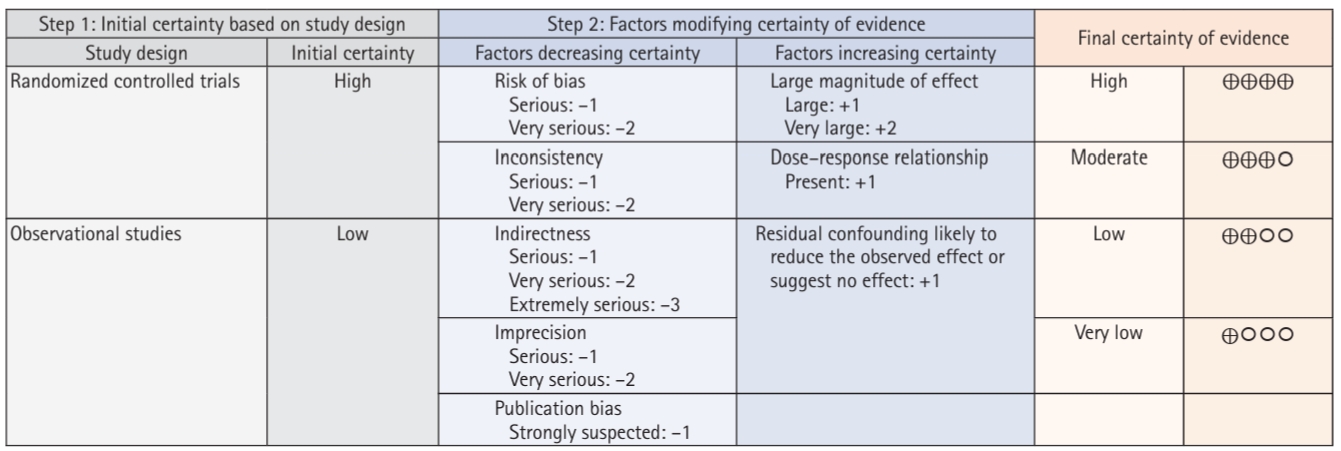
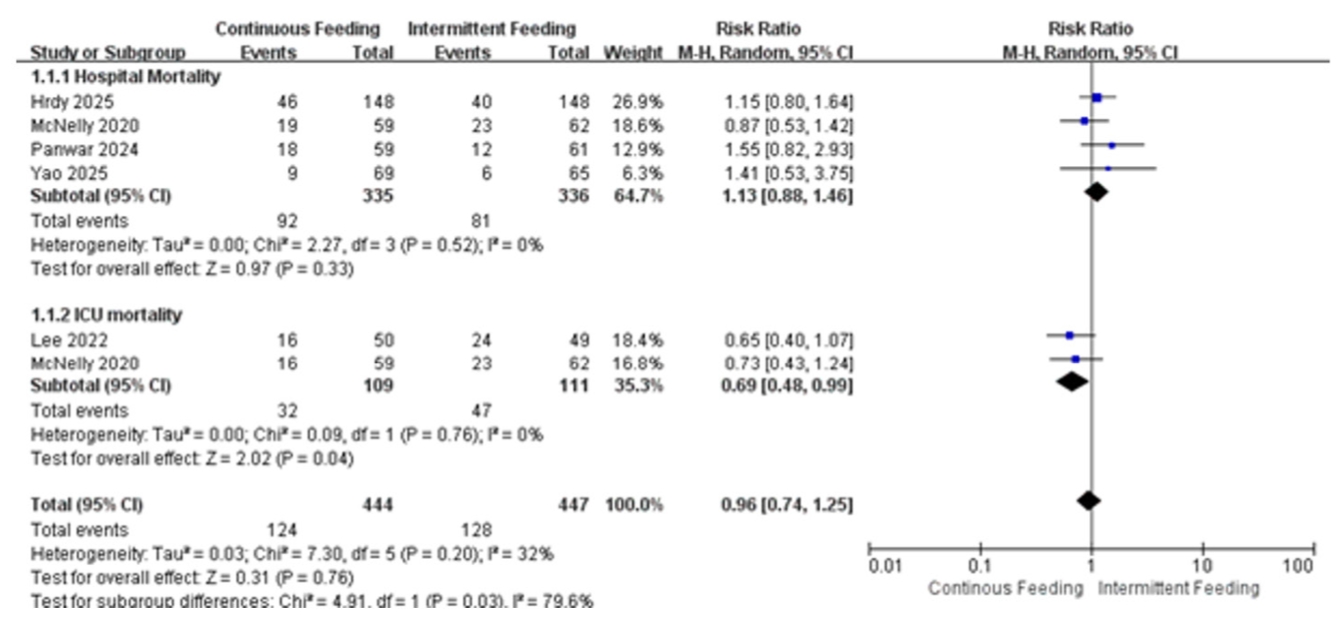
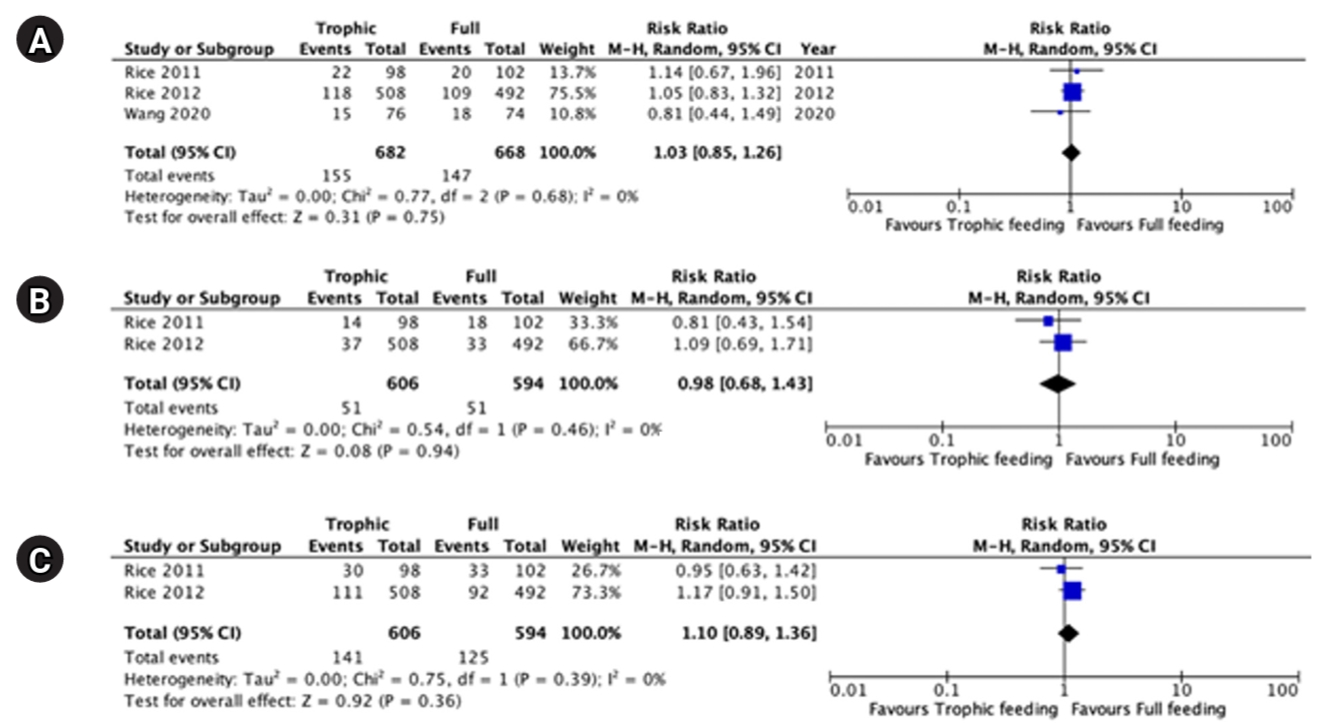
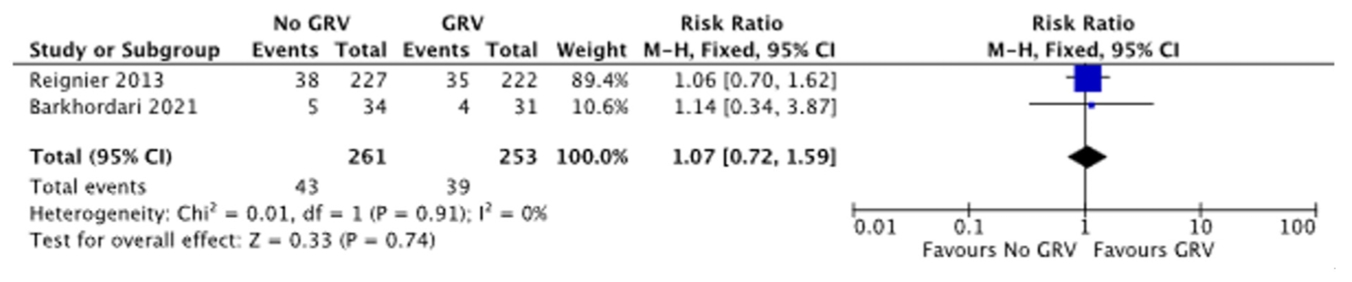
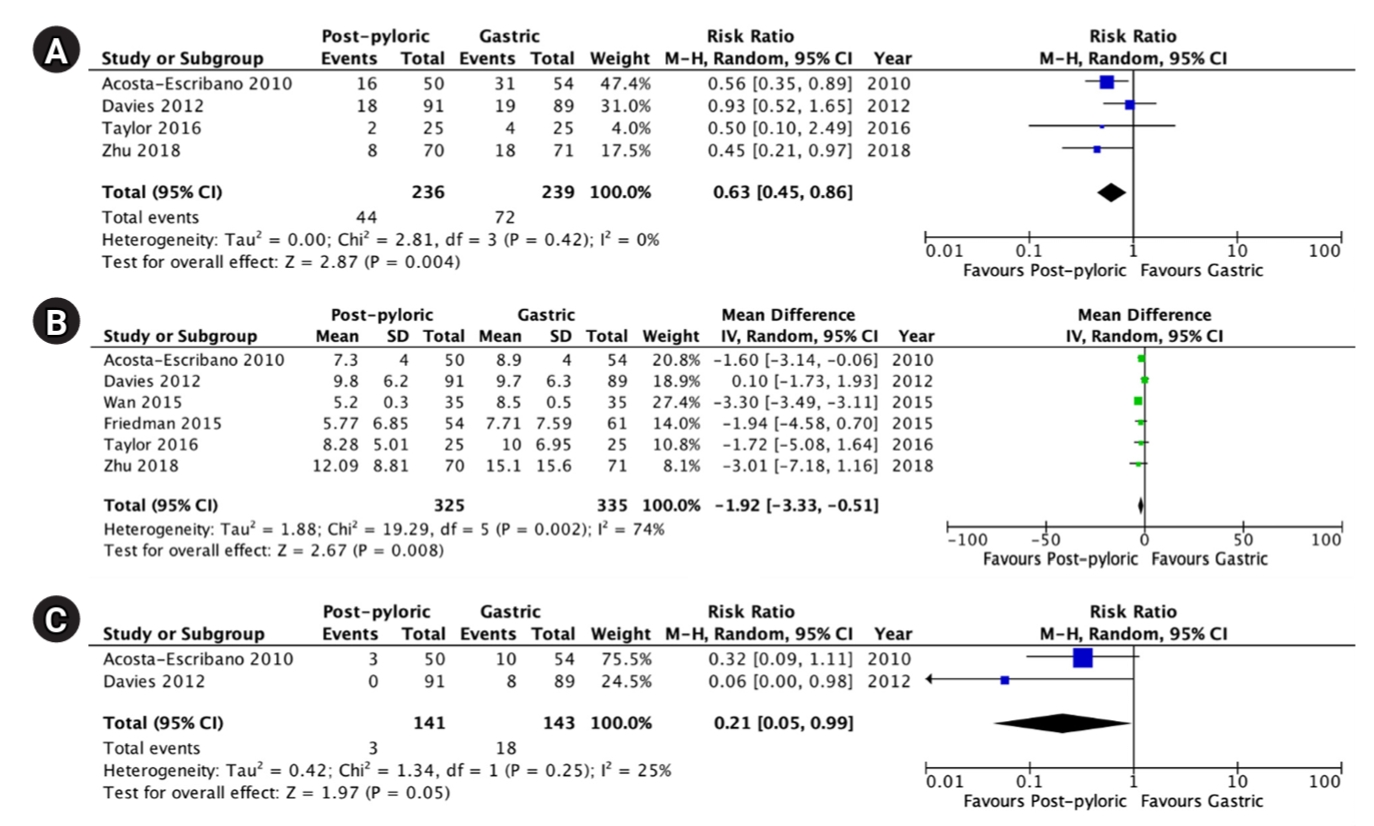
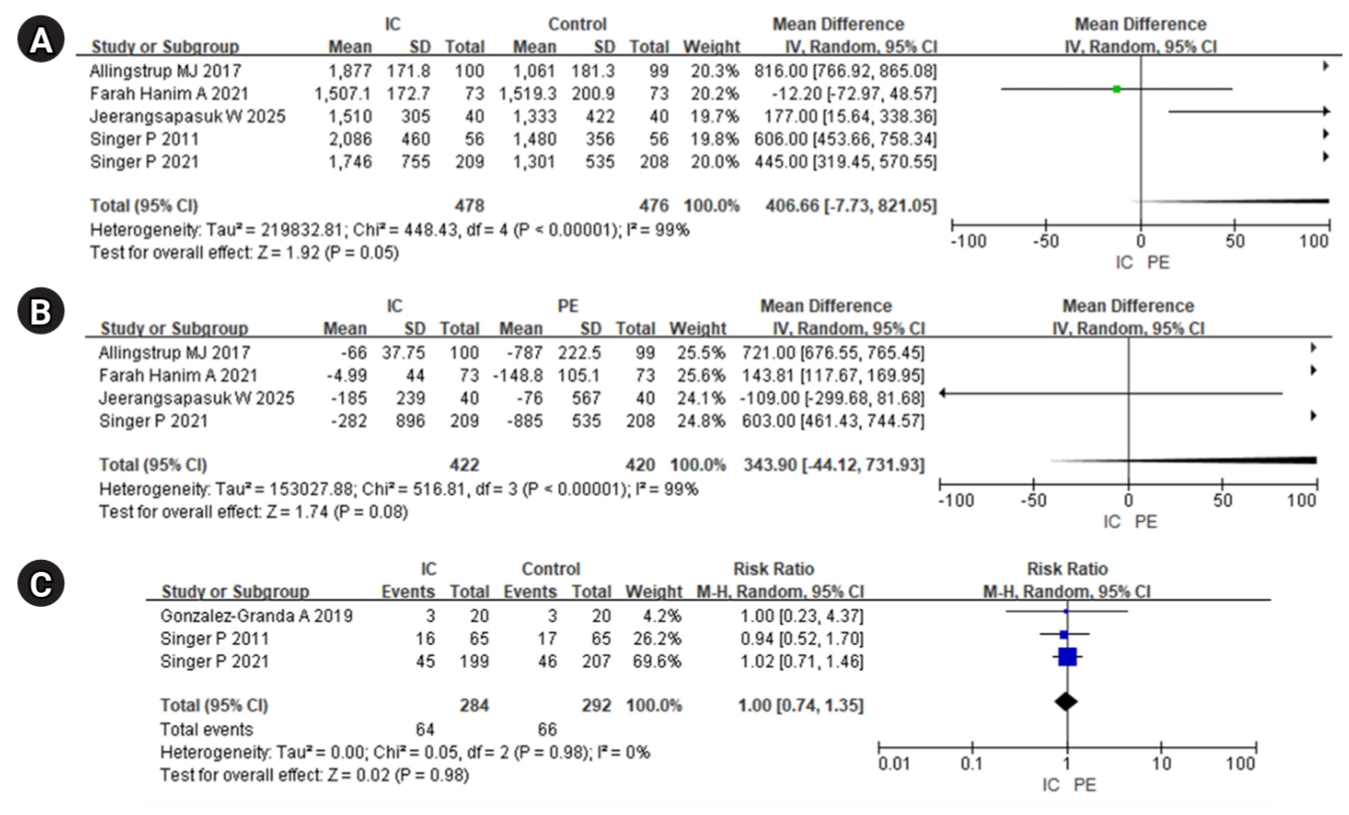
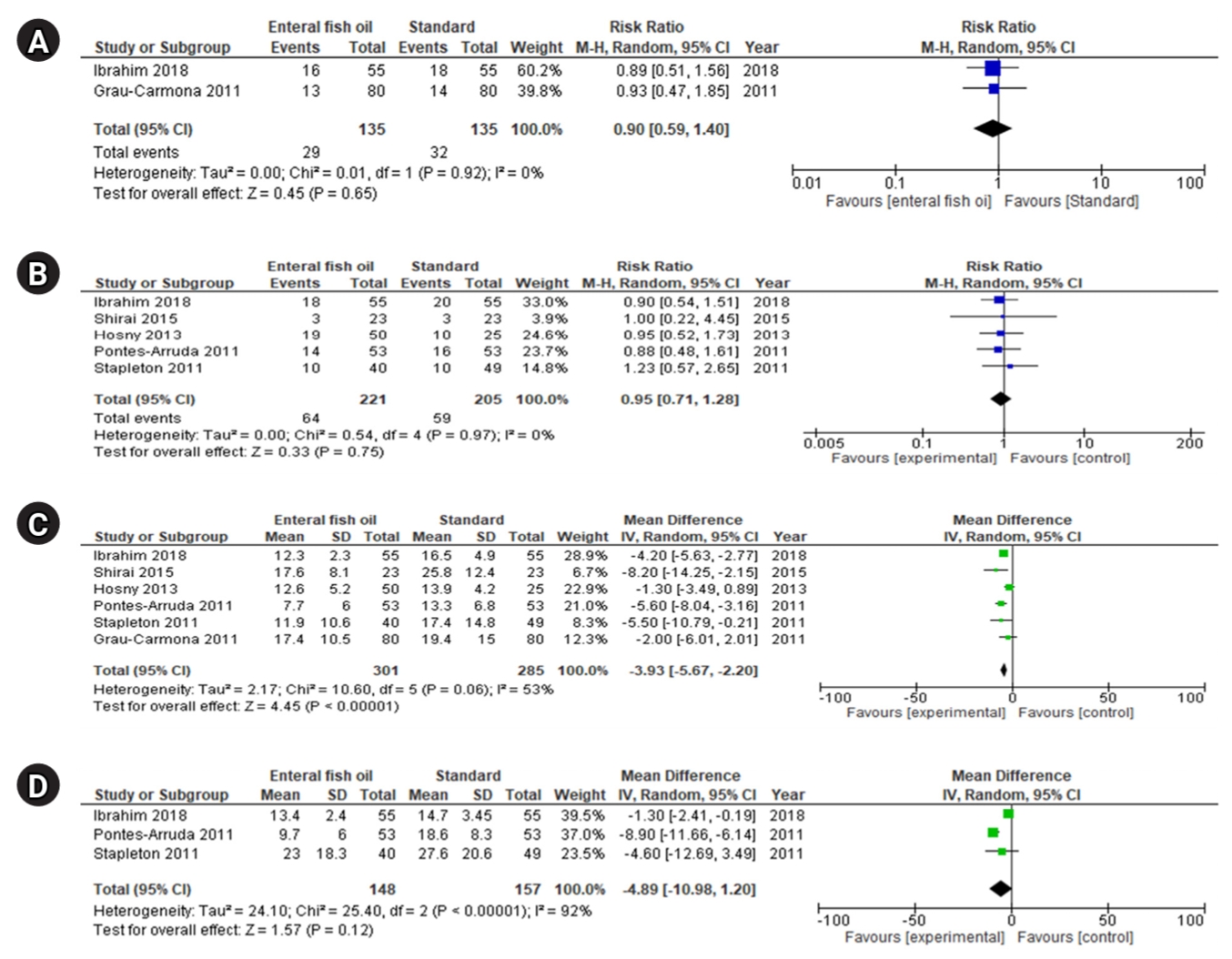
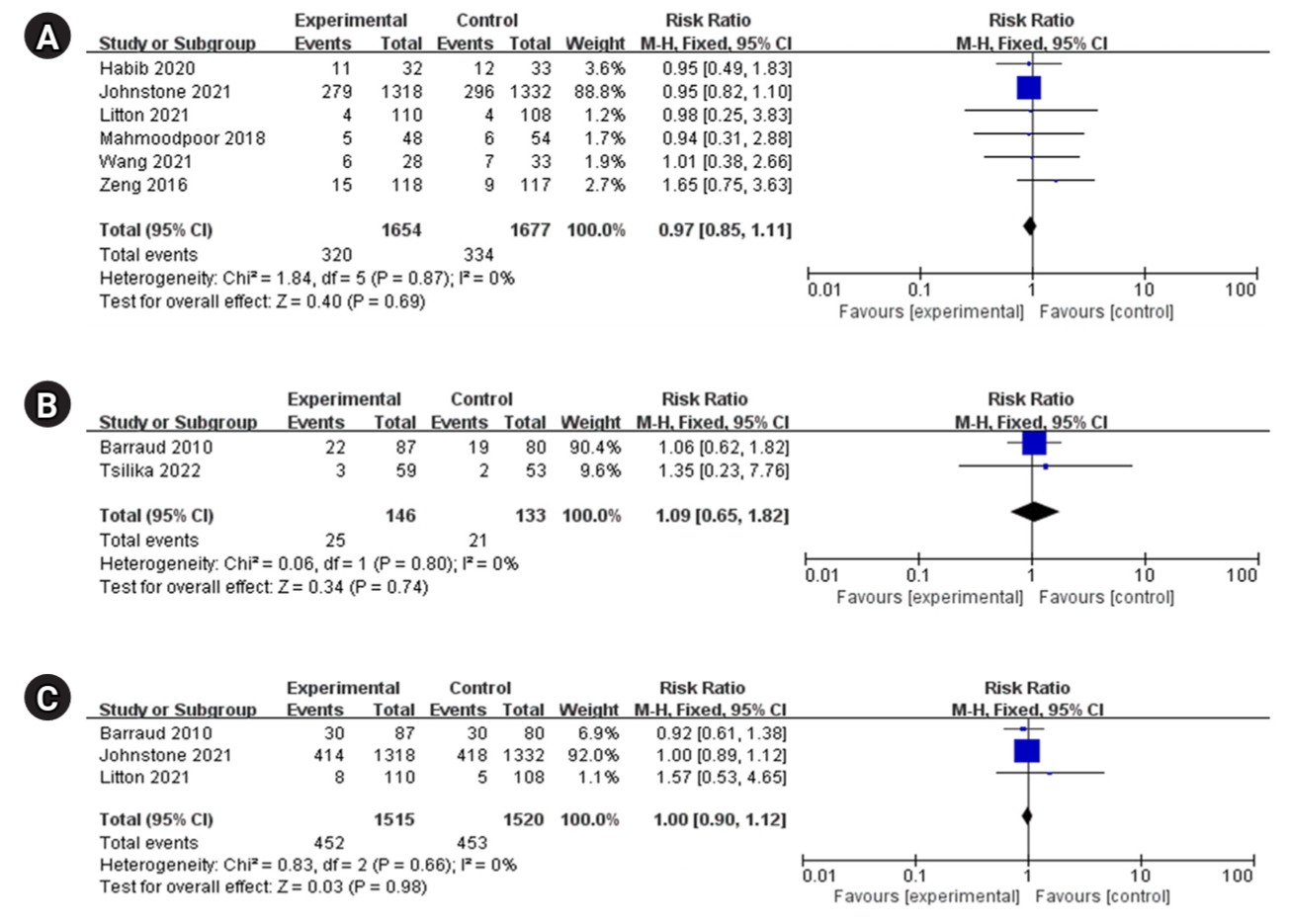
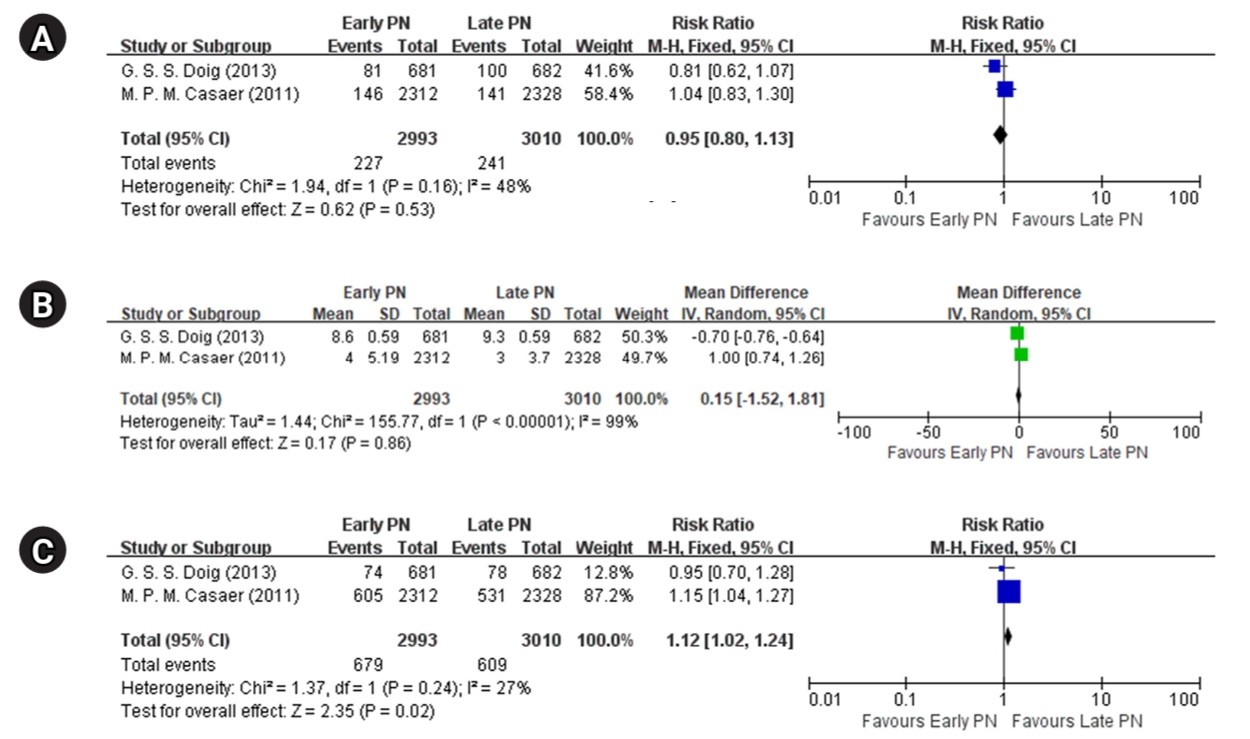
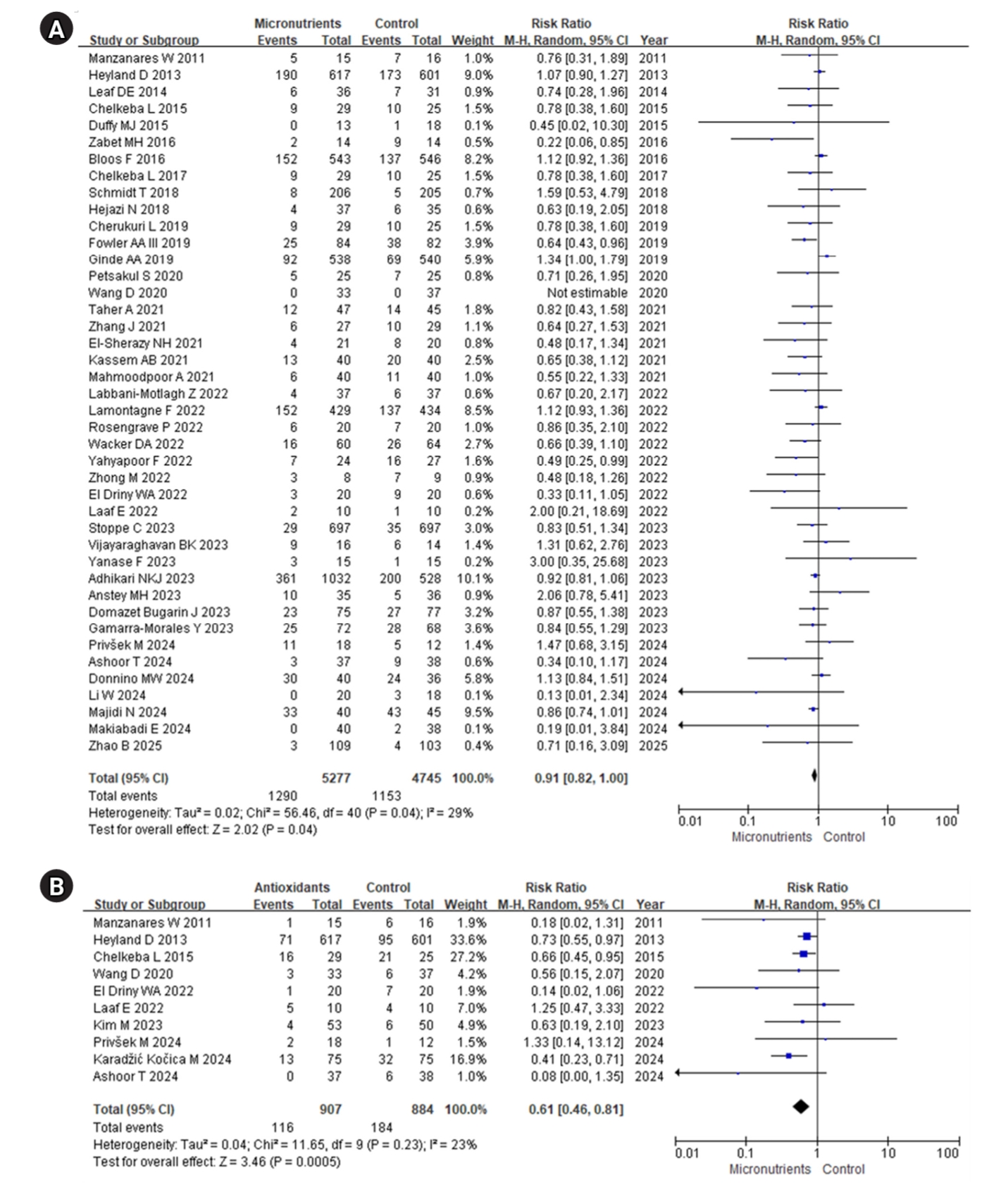
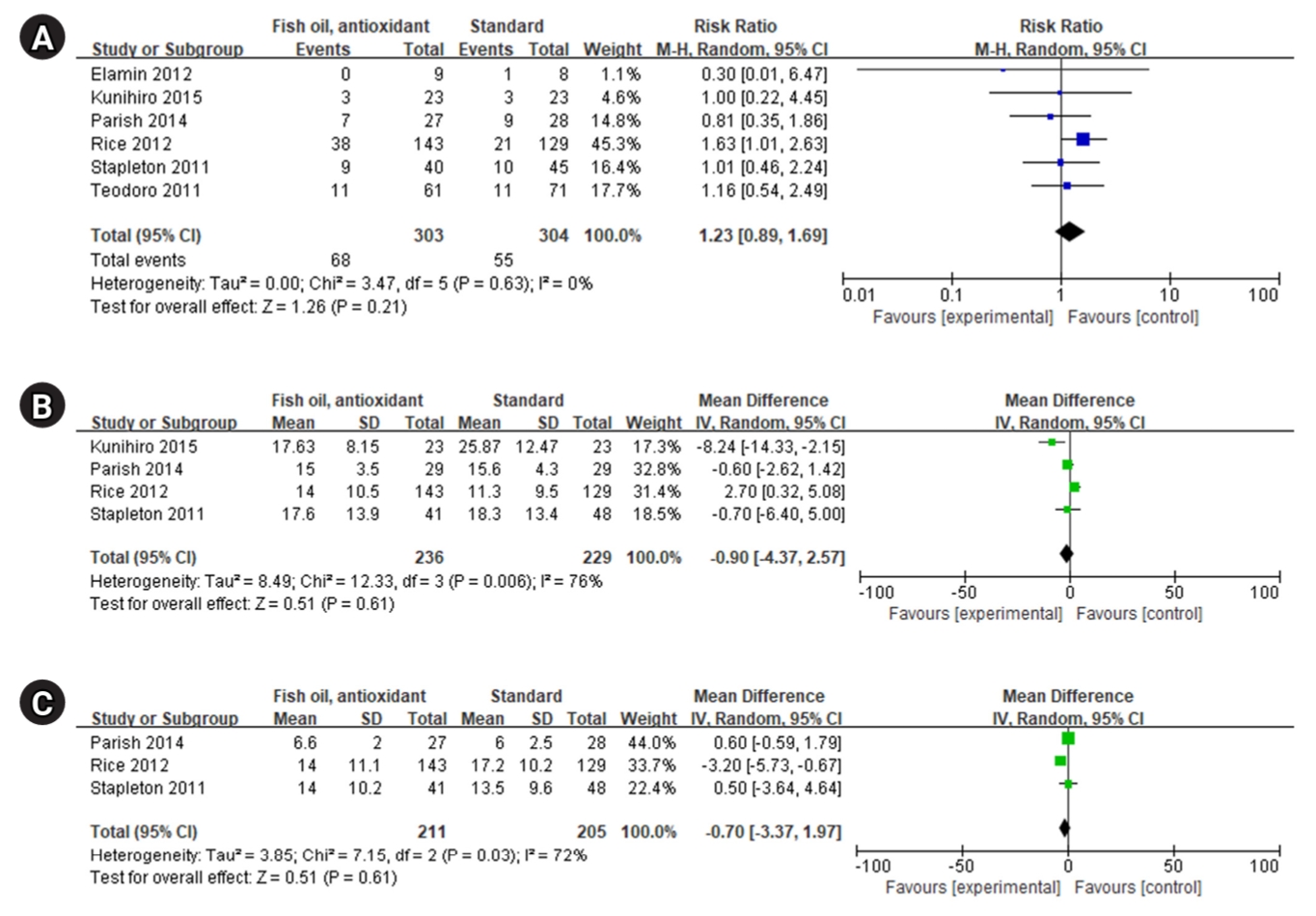

Fig. 1. GRADE framework for determining certainty of evidence. GRADE, Grading of Recommendations Assessment, Development and Evaluation.
Fig. 2. Forest plots of mortality outcomes comparing continuous versus intermittent enteral feeding in critically ill adult patients. M-H, Mantel-Haenszel; CI, confidence interval; ICU, intensive care unit.
Fig. 3. Forest plots of synthesized outcomes comparing trophic versus full feeding in critically ill adult patients: (A) mortality, (B) pneumonia, and (C) any infection. M-H, Mantel-Haenszel; CI, confidence interval.
Fig. 4. Forest plot comparing the incidence of ventilator-associated pneumonia according to GRV monitoring in critically ill adult patients receiving enteral nutrition. GRV, gastric residual volume; M-H, Mantel-Haenszel; CI, confidence interval.
Fig. 5. Forest plots comparing post-pyloric versus gastric enteral nutrition in critically ill adult patients: (A) ventilator-associated pneumonia, (B) duration of mechanical ventilation, and (C) feeding intolerance. M-H, Mantel-Haenszel; CI, confidence interval; SD, standard deviation.
Fig. 6. Forest plots comparing IC-guided versus predictive equation-guided energy provision in critically ill adult patients: (A) daily energy delivery, (B) daily energy balance, and (C) intensive care unit mortality. IC, indirect calorimetry; SD, standard deviation; PE, predictive equation; IV, inverse variance; M-H, Mantel-Haenszel; CI, confidence interval.
Fig. 7. Forest plots showing the effects of enteral fish oil supplementation in critically ill adult patients: (A) intensive care unit mortality, (B) hospital mortality, (C) intensive care unit length of stay, and (D) hospital length of stay. M-H, Mantel-Haenszel; CI, confidence interval; SD, standard deviation; IV, inverse variance.
Fig. 8. Forest plots summarizing the effects of probiotic supplementation in critically ill adults: (A) intensive care unit mortality, (B) 28-/30-day mortality, and (C) incidence of infection. M-H, Mantel-Haenszel; CI, confidence interval.
Fig. 9. Forest plots comparing early versus delayed PN in critically ill adult patients: (A) intensive care unit mortality, (B) intensive care unit length of stay, and (C) infectious complications. PN, parenteral nutrition; M-H, Mantel-Haenszel; CI, confidence interval; SD, standard deviation; IV, inverse variance.
Fig. 10. Forest plots showing the effects of micronutrient and antioxidant supplementation in critically ill adults: (A) 28-/30-day mortality and (B) pneumonia. M-H, Mantel-Haenszel; CI, confidence interval.
Fig. 11. Forest plots showing the effects of anti-inflammatory lipid-containing enteral nutrition formulations in patients with acute respiratory distress syndrome and acute lung injury: (A) 28-/60-day mortality, (B) intensive care unit length of stay, and (C) ventilator-free days. M-H, Mantel-Haenszel; CI, confidence interval; SD, standard deviation; IV, inverse variance.
Fig. 12. Forest plot comparing mortality between EEN and DEN in patients with traumatic brain injury. EEN, early enteral nutrition; DEN, delayed enteral nutrition; M-H, Mantel-Haenszel; CI, confidence interval.
Fig. 1.
Fig. 2.
Fig. 3.
Fig. 4.
Fig. 5.
Fig. 6.
Fig. 7.
Fig. 8.
Fig. 9.
Fig. 10.
Fig. 11.
Fig. 12.
Nutritional support for critically ill patients by the Korean Society for Parenteral and Enteral Nutrition—part II: a clinical practice guideline
| Certainty of evidence | Definition |
|---|---|
| High | We are very confident that the true effect is close to the estimated effect. |
| Moderate | We are moderately confident in the estimated effect. The true effect is likely to be close to the estimate, but it may be substantially different. |
| Low | Confidence in the estimated effect is limited. The true effect may be substantially different from the estimate. |
| Very low | We have very little confidence in the estimated effect. The true effect is likely to be substantially different from the estimate. |
| Recommendation category (recommendation strength) | Definition | Recommended wording | |
|---|---|---|---|
| Evidence-based recommendation (SR & MA for RCT) | Strong for | The intervention is strongly recommended in most clinical situations after considering the balance between benefits and harms, certainty of evidence, patient values and preferences, and resource utilization. | “We recommend …” |
| Conditional for | The use of the intervention may vary depending on clinical circumstances or patient/social values and preferences; selective or conditional use is suggested. | “… is considered” | |
| Conditional against | The potential harms of the intervention may outweigh the benefits in some clinical situations or patient populations; routine use is not recommended. | “… is not recommended” | |
| Strong against | The harms of the intervention outweigh the benefits in most clinical situations after considering certainty of evidence, values and preferences, and resource utilization. | “We recommend against…” | |
| Inconclusive | The certainty of evidence is too low, or the balance between benefits and harms is highly uncertain or variable; therefore, no recommendation can be made. Clinical judgment should guide decision-making. | “…cannot decide” | |
| Expert consensus | Although direct clinical evidence is limited, recommendations are made based on expert opinion, clinical experience, potential benefits and harms, values and preferences, and feasibility. | “… is suggested” or “… is not suggested” | |
| Consensus strength | Agreement (%) | Recommendation status |
|---|---|---|
| Strong consensus | ≥90 | Accepted |
| Consensus | 75–89 | Accepted |
| Majority consensus | 50–74 | Re-discussion and re-voting required |
| No consensus | <50 | Rejected |
| Section | Recommendation | Evidence/Recommendation/Consensus |
|---|---|---|
| Indications and nutritional risk assessment | R1. Critically ill adult patients expected to stay in the intensive care unit for more than 48 hours are considered at risk for malnutrition, and nutrition therapy is suggested. | Expert consensus/strong consensus |
| R2. Screening for malnutrition or nutritional risk using a structured tool is suggested within 24–48 hours after intensive care unit admission. | Expert consensus/strong consensus | |
| R3. Use of validated tools such as the modified Nutrition Risk in the Critically Ill score or Nutritional Risk Screening 2002 is suggested for nutritional risk screening. | Expert consensus/strong consensus | |
| R4. Standardized assessment and diagnosis using tools such as the Global Leadership Initiative on Malnutrition criteria or Subjective Global Assessment are suggested in patients at risk, followed by appropriate nutrition care planning. | Expert consensus/strong consensus | |
| Timing and initiation of nutritional therapy | R5. Early initiation of nutritional therapy as soon as possible after hemodynamic stabilization is suggested. | Expert consensus/strong consensus |
| R6. Enteral nutrition is suggested as the preferred route, and parenteral nutrition may be applied on an individual basis according to the patient’s clinical condition. | Expert consensus/strong consensus | |
| R7. Initiation of enteral nutrition is not suggested in hemodynamically unstable patients until hemodynamic stability has been achieved. | Expert consensus/strong consensus | |
| R8. Initiation of low-dose enteral nutrition (10–20 mL/hr) is suggested in patients receiving vasopressors when adequate hemodynamic stability has been achieved and vasopressor doses are stable or decreasing. | Expert consensus/strong consensus | |
| R9. Withholding or discontinuation of enteral nutrition is suggested in the following situations. | Expert consensus/strong consensus | |
| · Uncontrolled shock and hypoperfusion: lack of hemodynamic stability, increasing vasopressor requirements, elevated serum lactate levels, or suspected tissue hypoperfusion | ||
| · Uncontrolled life-threatening respiratory failure: severe hypoxemia, hypercapnia, or acidosis | ||
| · Active gastrointestinal bleeding | ||
| · Gastrointestinal dysfunction or severe enteral feeding intolerance: severe abdominal distension, GRV >500 mL over 6 hours, uncontrolled vomiting (with aspiration risk), or diarrhea | ||
| · High-output intestinal fistula or stoma: when safe enteral feeding distal to the fistula or stoma is not feasible | ||
| · Structural gastrointestinal injury: unresolved intestinal perforation, mechanical bowel obstruction, or bowel ischemia | ||
| · Abdominal compartment syndrome | ||
| Enteral nutrition delivery and monitoring | R10. Assessment of EFI is suggested. EFI should be comprehensively assessed by observing gastrointestinal symptoms, such as vomiting or regurgitation, abdominal distension, diarrhea, abdominal pain, and gastrointestinal bleeding, with GRV measured selectively when clinically indicated. | Expert consensus/strong consensus |
| R11. Routine measurement of GRV is not suggested. | Expert consensus/strong consensus | |
| R12. Continuous feeding may be considered the preferred approach. Intermittent feeding may also be considered in clinically stable patients or when continuous feeding is not feasible. | Low evidence/conditional for/strong consensus | |
| R13. Trophic feeding may be considered during the early phase of intensive care unit admission when gastrointestinal function is uncertain or when advancement of enteral nutrition is challenging. | Low evidence/conditional for/strong consensus | |
| R14. Assessment of aspiration risk should be considered in patients receiving enteral nutrition. | Low evidence/conditional for/strong consensus | |
| R15. Post-pyloric feeding should be considered rather than gastric feeding in patients at high risk of aspiration or with gastric feeding intolerance. | Moderate evidence/conditional for/strong consensus | |
| R16. The use of prokinetics is suggested in patients at high risk of aspiration or with enteral feeding intolerance. | Expert consensus/strong consensus | |
| R17. Head-of-bed elevation at 30˚–45˚ and regular oral hygiene are suggested during enteral nutrition in mechanically ventilated patients. | Expert consensus/strong consensus | |
| Energy requirements | R18. IC is considered for determining energy requirements. | Low evidence/conditional for/strong consensus |
| R19. When IC is unavailable, the use of weight-based formulas (25 kcal/kg/day), predictive equations, and VCO₂-based estimation methods (in mechanically ventilated patients) is suggested. | Expert consensus/strong consensus | |
| Formulation of enteral nutrition | R20. Routine enteral fish oil supplementation is not recommended. | Low evidence/conditional for/strong consensus |
| R21. Enteral fish oil supplementation may be considered in perioperative patients or those at high risk for infection (e.g., patients undergoing cardiac surgery or those with abdominal sepsis). | Low evidence/conditional for/strong consensus | |
| R22. Routine enteral arginine supplementation is not recommended. Enteral arginine supplementation may be considered in patients with severe trauma or in postoperative critically ill patients. | Expert consensus/strong consensus | |
| R23. Routine enteral glutamine supplementation is not recommended. | Expert consensus/strong consensus | |
| R24. Routine use of fiber-containing enteral formulas is not suggested. | Expert consensus/strong consensus | |
| R25. In hemodynamically stable patients with preserved gastrointestinal function and persistent diarrhea, the use of fiber-containing enteral formulas is suggested. | Expert consensus/strong consensus | |
| R26. Routine use of probiotics is not recommended. | Low evidence/conditional against/strong consensus | |
| Parenteral nutrition | R27. In patients unable to receive oral intake or enteral nutrition, initiation of PN within 3–7 days of intensive care unit admission should be considered. | Moderate evidence/conditional for/strong consensus |
| R28. In patients with severe malnutrition, early initiation of PN is suggested. | Expert consensus/strong consensus | |
| R29. Hypocaloric PN (≤70% of estimated energy requirements or ≤20 kcal/kg/day) is suggested during the early phase of intensive care unit stay (within the first week), with subsequent gradual advancement according to the clinical course. | Expert consensus/strong consensus | |
| Micronutrients | R30. Micronutrients and vitamins should be routinely provided to meet daily requirements; when PN is used, they should be included at the recommended daily intake level. | Expert consensus/strong consensus |
| R31. Additional supplementation with micronutrients and antioxidants above the recommended intake is not recommended. | Moderate evidence/conditional against/strong consensus | |
| R32. Routine high-dose vitamin C supplementation is not recommended. | Moderate evidence/conditional against/consensus | |
| R33. High-dose selenium supplementation is not recommended. | Low evidence/conditional against/strong consensus | |
| R34. Routine high-dose antioxidant supplementation, including vitamin D, thiamine, and N-acetylcysteine (NAC), is not recommended. | Low evidence/conditional against/strong consensus | |
| Monitoring and metabolic complications | R35. Blood glucose should be measured immediately after admission or initiation of nutritional therapy and at least every 4 hours during the first 48 hours. The suggested target blood glucose range is 140–180 mg/dL, and insulin therapy is suggested if blood glucose persistently exceeds 180 mg/dL, with institutional discretion for initiation up to 200 mg/dL. | Expert consensus/strong consensus |
| R36. Blood electrolytes (phosphate, potassium, magnesium, sodium, chloride) should be measured at least once daily during the first week of nutritional therapy, with early phosphate measurement suggested within 6–12 hours of admission. | Expert consensus/strong consensus | |
| R37. Liver function tests should be measured twice weekly during the initial phase of nutritional therapy and at least once weekly during the stable phase thereafter. | Expert consensus/strong consensus | |
| R38. Serum triglyceride levels should be measured once or twice weekly during nutritional therapy. In particular, close monitoring is suggested in patients receiving lipid-containing PN or lipid-based medications. | Expert consensus/strong consensus | |
| R39. Prealbumin is suggested as a supplementary marker for assessing response to nutritional therapy, and weekly measurement together with C-reactive protein is suggested. | Expert consensus/consensus | |
| R40. In patients at high risk of vitamin and trace element deficiencies, clinicians should assess whether thiamine, vitamin C, copper, selenium, zinc, and other essential micronutrients are being supplied adequately and monitor levels when necessary (e.g., prolonged CRRT for >2 weeks, severe burns, malabsorption, malnutrition, chronic alcoholism, or significant fluid drainage). | Expert consensus/strong consensus | |
| R41. Measurement of nitrogen balance is suggested to assess protein adequacy, although its use is limited in dialysis patients. | Expert consensus/strong consensus | |
| R42. Structured screening for high risk of refeeding syndrome is suggested after intensive care unit admission. | Expert consensus/strong consensus | |
| R43. In patients at risk of refeeding syndrome, measurement of serum phosphate, potassium, and magnesium before and during the early phase of nutritional therapy, with supplementation when deficient and frequent reassessment, is suggested. | Expert consensus/strong consensus | |
| R44. In patients at risk of refeeding syndrome, initiation of nutrition with caloric restriction (100–150 g of glucose or 10–20 kcal/kg during the first 24 hours), followed by gradual advancement every 1–2 days, is suggested. | Expert consensus/strong consensus | |
| R45. In patients at risk of refeeding syndrome, administration of thiamine before initiation of nutritional therapy is suggested. | Expert consensus/strong consensus | |
| Acute respiratory failure | R46. Routine use of enteral formulas enriched with anti-inflammatory lipids, including omega-3 fatty acids and borage oil, is not recommended. | Moderate evidence, conditional against, strong consensus |
| Acute kidney injury | R47. In patients with acute kidney injury (stage 1–3) who are not receiving renal replacement therapy, initial protein provision of 0.8–1.0 g/kg/day is suggested, with gradual advancement up to 1.2–1.3 g/kg/day according to the patient’s catabolic state and nutritional status. | Expert consensus/strong consensus |
| R48. In patients receiving CRRT, protein provision of 1.5–1.7 g/kg/day is suggested. | Expert consensus/strong consensus | |
| Liver failure | R49. High protein provision (1.2–1.5 g/kg/day) is suggested in patients with liver failure. | Expert consensus/strong consensus |
| R50. In hyperacute liver failure, protein provision may be delayed for 24–48 hours, with gradual initiation suggested thereafter. | Expert consensus/strong consensus | |
| R51. Routine use of BCAA-enriched protein supplementation is not recommended in patients with liver failure and hepatic encephalopathy. However, oral or enteral BCAA-enriched protein supplementation may be considered in those with suspected protein intolerance or recurrent hepatic encephalopathy. | Expert consensus/strong consensus | |
| Trauma | R52. Early enteral nutrition is suggested in patients with acute traumatic brain injury once hemodynamic stability has been achieved and gastrointestinal function is adequate. | Very low evidence, conditional for, strong consensus |
| R53. Early enteral nutrition is suggested in patients with acute spinal cord injury once hemodynamic stability is ensured and gastrointestinal function is adequate. | Expert consensus/strong consensus | |
| R54. Early enteral nutrition is suggested in patients with abdominal trauma who are hemodynamically stable and have confirmed or restored gastrointestinal continuity. | Expert consensus/strong consensus | |
| Sepsis | R55. Early enteral nutrition is suggested in patients with sepsis once hemodynamic stability has been achieved, with gradual advancement according to clinical status. | Expert consensus/strong consensus |
| Obesity | R56. Early initiation of enteral nutrition is suggested once hemodynamic stability has been achieved. | Expert consensus/strong consensus |
| R57. Indirect calorimetry is suggested as the preferred method for measuring energy requirements. | Expert consensus/strong consensus | |
| R58. When indirect calorimetry is unavailable, hypocaloric nutrition of 20–25 kcal/kg/day based on adjusted body weight is suggested during the acute phase, with gradual advancement toward measured energy expenditure during the recovery phase. | Expert consensus/strong consensus | |
| R59. Protein provision of ≥1.3 g/kg/day based on adjusted body weight is suggested. | Expert consensus/strong consensus |
Table 1. Definitions of certainty of evidence according to the GRADE approach
GRADE, Grading of Recommendations Assessment, Development and Evaluation.
Table 2. GRADE recommendation strength and interpretation
GRADE, Grading of Recommendations Assessment, Development and Evaluation; SR & MA, systematic review and meta-analysis; RCT, randomized controlled trial.
Table 3. Consensus strength and agreement thresholds
Table 4. Summary of recommendations
GRV, gastric residual volume; EFI, enteral feeding intolerance; IC, indirect calorimetry; VCO₂, carbon dioxide production; PN, parenteral nutrition; CRRT, continuous renal replacement therapy; BCAA, branched-chain amino acid.


